The Togolese government has identified four key levers to drive transformation in the country's agriculture sector. These levers, which include mechanization, research, technical support, and producer organization, aim to bring about a systematic change in the sector. According to the Ministry of Agriculture, these strategies have led to significant progress over the past five years. The sector is now more productive and better equipped to support the country's economy.
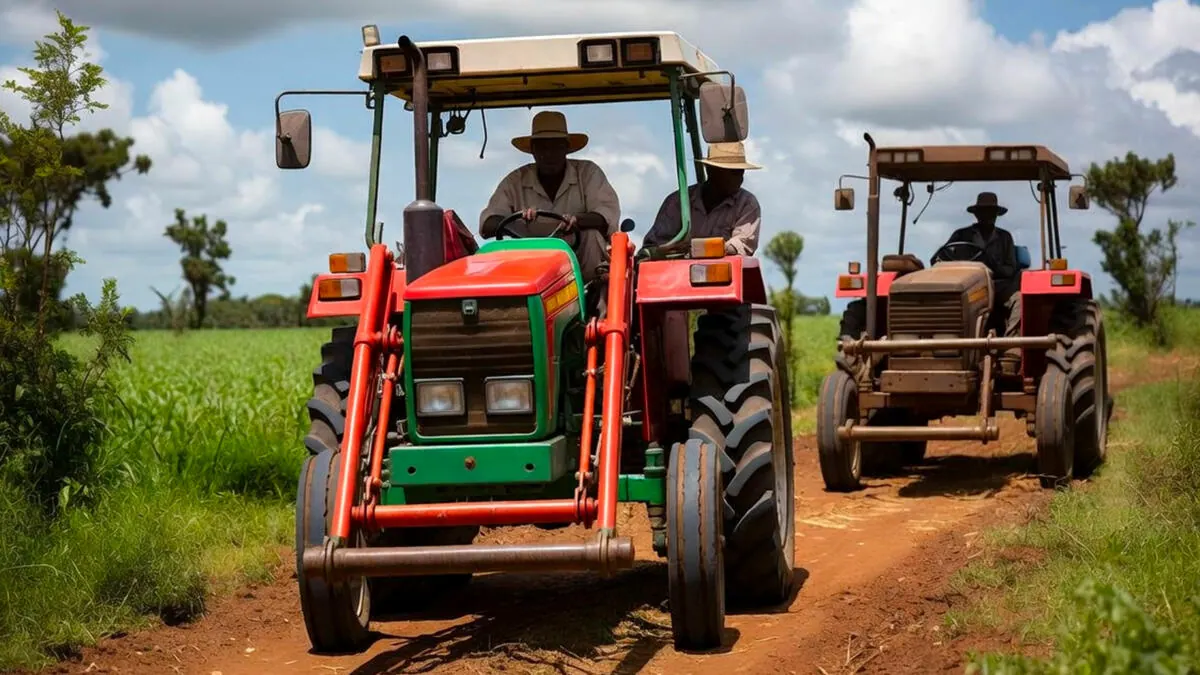
One of the key areas of focus has been mechanization. The government has distributed over 500 tractors and 180 motor cultivators to producers. Two regional mechanization centers have also been established to provide access to equipment for farmers across the country. This has led to increased efficiency and productivity on farms, with labor accelerated and workloads reduced. The centers play a crucial role in making mechanization a service accessible to all, rather than a luxury reserved for a few large-scale farmers.
Research has also been a key area of investment, with the development of 16 new crop varieties. This has improved the potential of Togolese agriculture and enabled farmers to grow more resilient and productive crops. On the ground, 784 advisors and technicians provide daily support to farmers, helping them to adopt best practices and improve their yields. The government has also registered over 10,600 cooperative societies, which are helping to structure the sector and give small-scale farmers a stronger collective voice.
The Togolese government views these four strategies as interconnected components of a single, cohesive approach. Mechanization increases the capacity for work, while research improves crop potential. Technical support helps to disseminate best practices, and cooperatives give farmers a stronger collective voice in the market. The authorities believe that removing one of these components would undermine the entire system.
The impact of mechanization on farming in Togo has been significant. With accelerated labor and reduced workloads, farmers are able to cultivate larger areas and produce more crops. The government's approach aims to ensure that the benefits of mechanization are accessible to all farmers, regardless of their location or scale of operation. This, in turn, is helping to drive growth and development in the sector.
The organization of producers has also been a key focus area. The registration of over 10,600 cooperative societies has helped to bring structure to the sector and give small-scale farmers a stronger collective voice. This has enabled them to negotiate better prices and access new markets, improving their incomes and livelihoods. The government believes that this approach will help to build a more productive and sustainable agriculture sector.
The Togolese government's strategy for transforming the agriculture sector is built around a clear vision: to create a more productive and sustainable sector that supports the country's economy and provides a better livelihood for farmers. With the four key levers of mechanization, research, technical support, and producer organization, the government is working to build a stronger, more resilient sector that can drive growth and development in Togo.
Key points
- The Togolese government has distributed over 500 tractors and 180 motor cultivators to producers as part of its mechanization strategy.
- The government has registered over 10,600 cooperative societies to give small-scale farmers a stronger collective voice.
- The authorities view the four strategies as interconnected components of a single approach to transforming the agriculture sector.