Togo's President Faure Gnassingbé has been in power for over two decades, and despite his efforts to transform the country's agricultural sector, it continues to struggle. In 2009, he stated that it was his duty to support and encourage farmers to produce more. However, seventeen years later, the sector still lags behind, with farmers facing significant challenges. The government has invested hundreds of billions in the sector, but results have been disappointing.
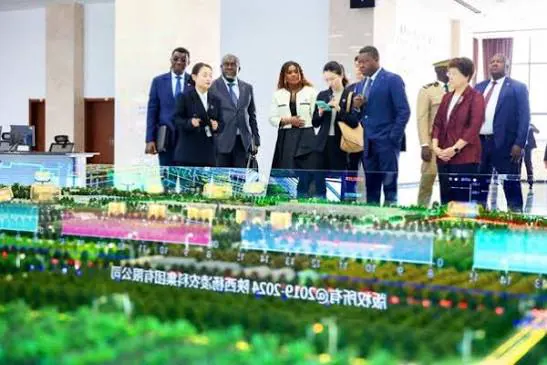
Recently, President Gnassingbé visited China, where he explored new avenues for cooperation in the agricultural sector. He visited a demonstration park focused on intelligent agriculture, which utilizes artificial intelligence and robotics to optimize production. This visit highlights the government's interest in adopting modern technologies to improve the sector. However, farmers in Togo continue to face more basic challenges, such as accessing tractors and irrigation systems.
During the first Forum of Togolese Agricultural Producers (FoPAT) in 2023, farmers expressed their concerns about the lack of access to equipment and water. They requested tractors, insecticides, and veterinary products, as well as water retention and drilling for irrigation. Three years later, these concerns remain unaddressed. In June 2025, the Ministry of Agriculture announced that it would provide one tractor per prefecture for small producers, but the cost of 40,000 CFA francs remains prohibitively expensive for many.
The FoPAT was presented as a platform for dialogue between the government and rural stakeholders, but its second edition has yet to take place. This has raised questions about the government's commitment to addressing the concerns of farmers. The existing water retention systems are also in disrepair and require renovation. These challenges highlight the gap between government initiatives and the realities faced by farmers.
The government's agricultural policy has been criticized for its lack of tangible results. Despite numerous programs and initiatives, the sector remains stagnant. The President has stated that Togo's development depends on the development of its agriculture, but this rhetoric has yet to translate into concrete action. Farmers require more than just promises and new programs; they need access to the resources and tools necessary to produce more and better.
The visit to China has highlighted the paradox of Togo's agricultural policy. While the government is interested in adopting modern technologies, it has yet to address the basic needs of farmers. The country's agricultural sector continues to face significant challenges, and it remains to be seen whether the government can translate its commitments into tangible results. The farmers of Togo await the realization of the promises made to them.
As the government continues to explore new technologies and initiatives, the plight of Togolese farmers remains a pressing concern. With over two decades of governance under President Gnassingbé, the country's agricultural sector continues to struggle. The government's efforts to modernize the sector have yet to bear fruit, and farmers continue to face significant challenges in accessing basic necessities like tractors and irrigation systems.
Key points
- Togo's agricultural sector continues to face significant challenges despite government efforts and foreign investment.
- Farmers in Togo lack access to basic necessities like tractors and irrigation systems.
- The government's agricultural policy has been criticized for its lack of tangible results.