Six years after Togo launched its decentralization initiative, the country's 117 communes continue to grapple with managing their finances effectively. The decentralization process aimed to bring governance closer to the people by empowering local councils to manage essential services such as market maintenance, civil registration, sanitation, and certain educational and healthcare infrastructure. While this has enabled communities to hold their elected officials accountable for local issues, many communes are finding it difficult to balance their budgets.
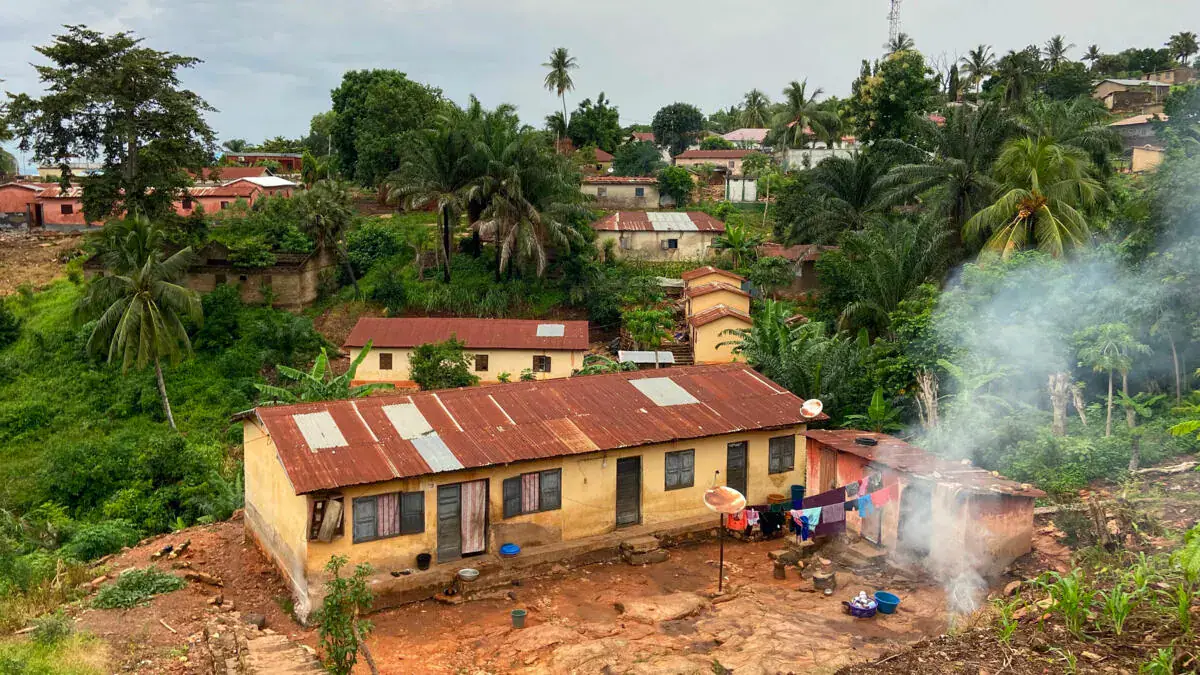
The majority of Togo's communes have limited own-source revenue, mainly due to inadequate collection of local taxes on markets, businesses, and land. As a result, many rely heavily on state transfers, particularly through the Fonds d'appui aux collectivités territoriales (FACT), and support from technical and financial partners. Rural communes, with even more modest revenues, are the most vulnerable. This financial fragility is sometimes compounded by poor management and a lack of technical expertise among local officials.
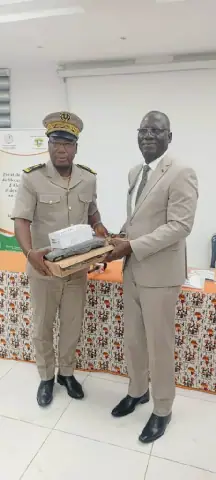
To address these challenges, the Agence nationale de formation des collectivités territoriales (ANFCT) recently opened a training session in Sokodé for elected officials and municipal agents from the Centrale region. The program focuses on key areas such as budget management, financial planning, revenue mobilization and utilization, and transparency in the use of public funds. By enhancing the skills of local leaders, the initiative aims to improve financial governance and ensure that communes can effectively manage their resources.
The decentralization process in Togo has been hailed as a significant advancement, bringing decision-making closer to the populace and allowing for more tailored responses to local needs. Since the first municipal elections in 2019, communes have emerged as key players in local development, capable of launching their own projects. However, the financial struggles faced by many communes threaten to undermine the potential of decentralization.
The ANFCT's training program is a step towards addressing the capacity gaps in local governance. By equipping commune officials with the necessary skills in financial management and planning, the government hopes to enhance the sustainability of local projects and improve service delivery. This is crucial for building trust between local authorities and citizens, which in turn can lead to better tax compliance and more effective use of resources.
Despite the challenges, there are opportunities for growth and improvement. Communes that can demonstrate transparent and effective management of their finances are likely to gain the trust of their constituents and attract additional support from both the government and international partners. This could pave the way for more robust and sustainable local development.
Moving forward, the success of Togo's decentralization will depend on the ability of its communes to overcome financial and management challenges. With enhanced training and support, local governments can improve their revenue mobilization efforts, manage their budgets more effectively, and deliver on the promises of decentralization. This will not only improve local governance but also contribute to the country's overall development.
Key points
- Togo's 117 communes face significant budgetary challenges six years into the decentralization process.
- Limited own-source revenue and poor financial management are major issues for many communes.
- Training programs for local officials aim to enhance financial governance and improve service delivery.