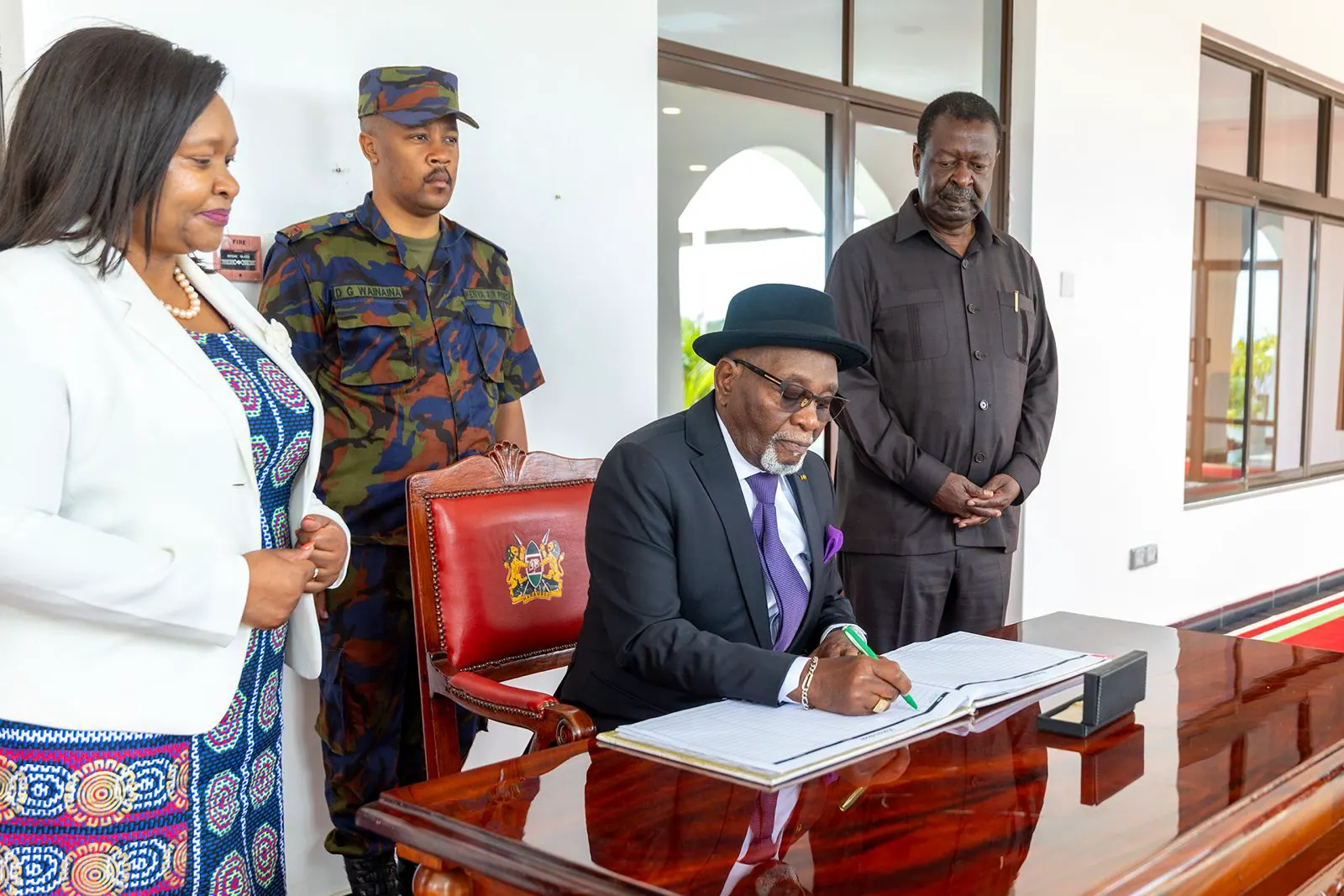
On September 30, 2026, Togolese President Jean-Lucien Savi de Tové made an official visit to Kenya, where he participated in the groundbreaking ceremony for the Dangote East Africa Refinery in Lamu. He was joined by Kenyan President William Ruto, Ugandan President Yoweri Museveni, Beninese President Romuald Wadagni, and Ethiopian Prime Minister Abiy Ahmed. The refinery, led by the Nigerian Dangote Group, aims to boost East Africa's refining and petroleum product supply capabilities.
The Dangote East Africa Refinery project is part of a broader effort to industrialize the continent, valorize African resources, and create local added value. The refinery's construction is expected to take 30-40 months and has an estimated cost of $16 billion. Once completed, the facility will have a daily crude oil processing capacity of 700,000 barrels. Its location near Lamu's deep-water port will facilitate the transportation of petroleum products.
President Jean-Lucien Savi de Tové emphasized the project's strategic and symbolic significance in his address, highlighting Africa's shift towards self-reliance and resource utilization. He noted that the project bridges East and West Africa through a large-scale industrial initiative. The Togolese president's participation in the ceremony demonstrates Togo's interest in pan-African industrialization, infrastructure, and interregional economic cooperation efforts.
The Dangote Group's investment in the refinery is expected to have a positive impact on the regional economy and the African energy sector as a whole. The project will not only increase the availability of petroleum products in East Africa but also create new opportunities for economic growth and development. African leaders present at the ceremony acknowledged the project's potential to drive regional cooperation and integration.
The launch of the Dangote East Africa Refinery is a significant milestone in Africa's efforts to develop its energy infrastructure and reduce dependence on imported petroleum products. The project's success will depend on various factors, including the efficient management of construction and operational costs. The involvement of multiple African countries in the project underscores the importance of regional cooperation in achieving energy self-sufficiency.
President Jean-Lucien Savi de Tové's speech highlighted the need for African countries to work together to achieve economic development and industrialization. He emphasized that the Dangote East Africa Refinery project is a testament to Africa's ability to transform its resources and create value-added products. The project's impact will be closely watched by African leaders and citizens alike.
The Dangote East Africa Refinery is poised to become a major player in the African energy sector, and its launch marks a significant step towards achieving energy security and self-sufficiency in East Africa. The project's success will have far-reaching implications for the region's economy and will likely serve as a model for future industrial initiatives on the continent.
Key points
- The Dangote East Africa Refinery will have a daily crude oil processing capacity of 700,000 barrels.
- The project is expected to cost approximately $16 billion and take 30-40 months to complete.
- The refinery's launch marks a significant milestone in Africa's efforts to develop its energy infrastructure and reduce dependence on imported petroleum products.