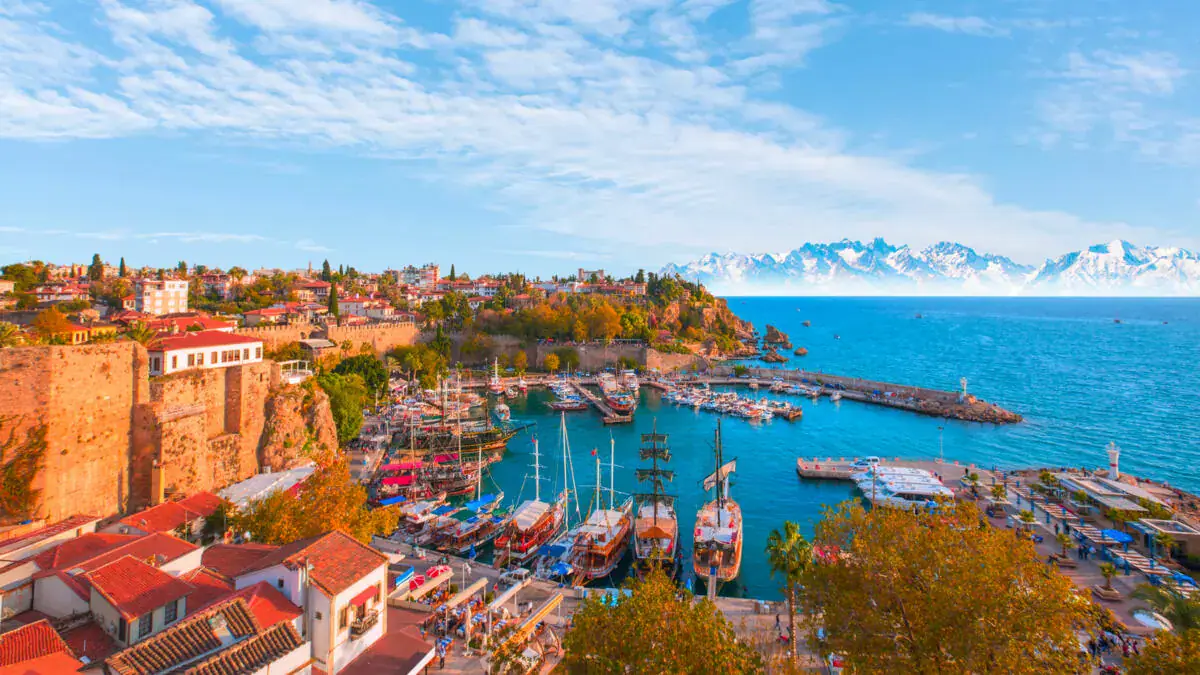
The United Nations Climate Conference, COP31, is set to begin in Antalya, Turkey, on November 7 and will run until November 20. The event is expected to draw over 100,000 participants, including representatives from various countries, to discuss pressing environmental issues. This year's conference takes place against a backdrop of alarming environmental trends, including repeated heatwaves in Europe and a deadly flood in Nepal.
The global context is marked by divisions on geopolitics, finance, and energy, which have raised concerns about the potential for significant progress at the conference. The ongoing conflicts in Ukraine and the Middle East, as well as tensions in the Strait of Hormuz, have led to increased fuel prices, causing many countries to prioritize their oil and gas supplies. In light of these challenges, the Turkish presidency is focusing on voluntary commitments rather than binding targets.
The Turkish presidency has identified several priorities for the conference, including waste management, ocean conservation, and electrification. The European Union is advocating for discussions on "clean" electricity, which would exclude oil, gas, and coal. Meanwhile, financing remains a contentious issue, with India emphasizing that rich countries have an obligation to pay. The African negotiating group is pushing for the inclusion of adaptation financing on the official agenda.
The absence of the United States from the climate negotiations is notable, as the Trump administration had withdrawn from the discussions. However, the outcome of the US midterm elections, which saw a significant victory for the Democrats, will be closely watched in Antalya. The elections' results may have implications for the US's future involvement in climate talks.
The Togolese government will be present at COP31 with a series of concrete proposals aimed at addressing climate change. As a coastal country, Togo is particularly vulnerable to climate-related risks, including coastal erosion and unpredictable weather patterns. The Togolese delegation will advocate for greater access to climate financing for African countries and highlight the priorities of a nation exposed to environmental challenges.
The global scientific community, including the UN, has acknowledged that the 1.5°C warming threshold set by the Paris Agreement is likely to be exceeded. The ongoing environmental trends and geopolitical tensions have created a complex landscape for climate negotiations. As countries gather in Antalya, they will need to navigate these challenges to achieve meaningful outcomes.
The outcome of COP31 will depend on the ability of countries to find common ground and work towards concrete solutions. Key issues, such as financing, adaptation, and electrification, will be high on the agenda. The participation of countries like Togo, with their unique perspectives and experiences, will be essential in shaping the discussions and identifying potential areas of agreement.
Key points
- Togo presents climate proposals at COP31 in Antalya, focusing on adaptation and access to climate financing for African countries.
Reporting sources
- COP31 : le Togo à Antalya avec ses propositions · republicoftogo.com