The Togolese opposition is facing significant challenges in mobilizing against the government of President Faure Gnassingbé, who has been in power since 2005. The country's opposition is weakened by internal divisions and repression from the government. Faure Gnassingbé took power after his father, Gnassingbé Eyadema, who ruled Togo since 1967. A constitutional reform in 2024 created a new position of "president of the council," allowing Faure Gnassingbé to maintain control while avoiding a ban on new mandates.
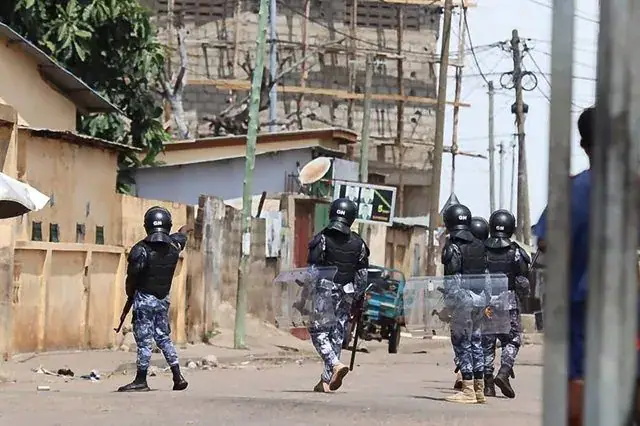
The opposition has faced increased repression in recent years, including the ban on marches and the violent suppression of demonstrations. In June 2025, protests in Lomé against the constitutional reform were quickly quelled, resulting in seven deaths, according to the civil society, and five deaths by drowning, according to the prosecutor's office. Brigitte Adjamagbo-Johnson, a prominent opposition figure, described the situation in Togo as one of fear, stating that "there is a situation of fear in the country. We have done everything to make Togolese people afraid."
The opposition's ability to mobilize has also been hindered by internal divisions and criticism from the public. Jean-Pierre Fabre, another prominent opposition leader, accused Faure Gnassingbé of not believing in the rule of law or democracy, but only in violence and force to maintain power. The opposition's meetings have been poorly attended in recent months, with only a few hundred militants showing up, compared to the large crowds seen in 2017. Some critics argue that the opposition's divisions and internal conflicts have contributed to its weakness.
According to Madi Djabakaté, a Togolese political scientist, the fact that opposition meetings are now relayed on social media has also contributed to low attendance. Many people prefer to follow events from home rather than risk being beaten or arrested. Nathaniel Olympio, spokesperson for the "Touche pas à ma constitution" front, cited the systematic ban on marches and the harassment of meeting organizers as additional factors.
The opposition's divisions and internal conflicts have been acknowledged by some of its leaders. In July 2024, Nathaniel Olympio asked for forgiveness from the Togolese people for the opposition's "errors" and "divisions." Some critics, like Afi Afoudagan, a 28-year-old bank employee, have expressed disappointment with the opposition, stating that its leaders are more concerned with their own interests than with the needs of the people.
Despite these challenges, the main opposition leaders launched a common front in late August to contest the new Constitution. This united front is seen as a significant development, as it brings together key opposition figures who have not worked together in years. The authorities, however, claim that the new Constitution aims to depersonalize power and give more authority to Parliament.
The situation in Togo remains uncertain, with the opposition struggling to regain its momentum and challenge the government's authority. While some argue that the opposition's weakness is due to its own divisions and errors, others see the government's repression as a major obstacle to democratic change. As the country moves forward, it remains to be seen whether the opposition can overcome its challenges and present a united front against the government.
Key points
- The Togolese opposition is weakened by internal divisions and government repression.
- The opposition's ability to mobilize has been hindered by the ban on marches and the violent suppression of demonstrations.
- The opposition's leaders have acknowledged their own errors and divisions, and have launched a common front to contest the new Constitution.