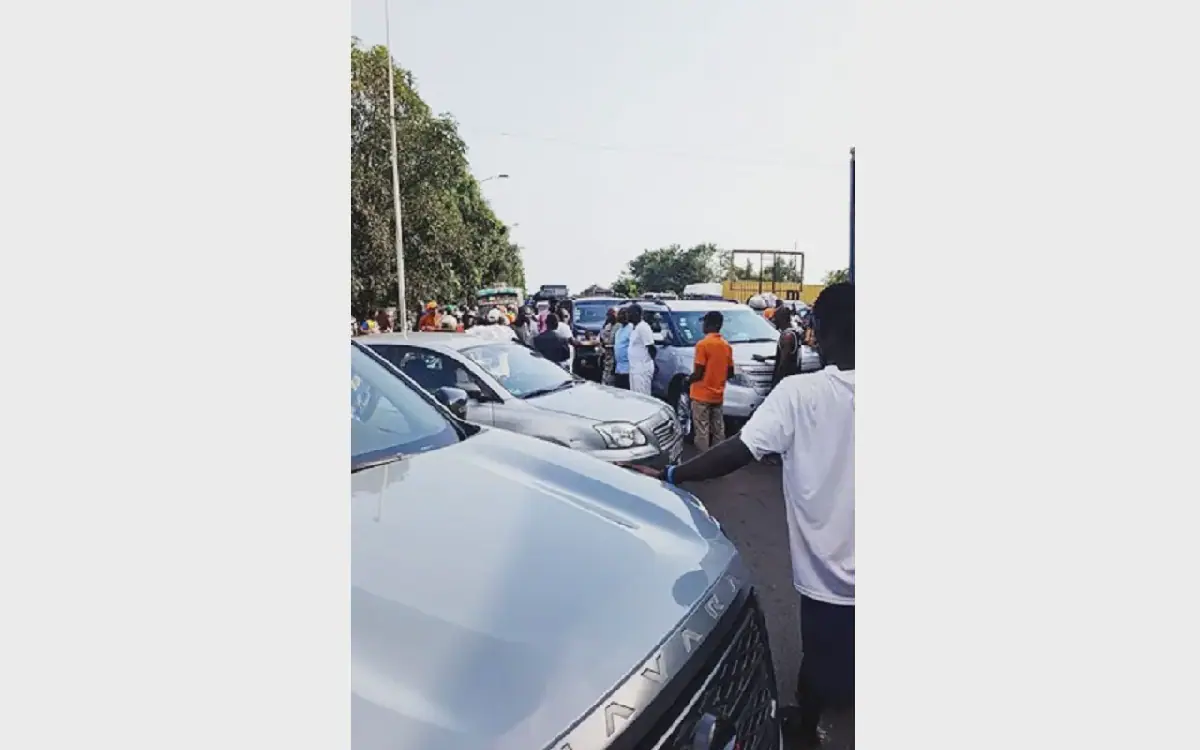
Tensions rose in Togo on November 8, 2026, as the police disrupted a meeting organized by the Cadre National de Concertation pour le Changement (CNCC), an opposition group, in Tsévié Atikoumé. Despite the meeting having obtained all necessary administrative approvals, police forces blocked opposition leaders and their supporters from accessing the venue, leading to clashes. The confrontations resulted in several injuries and arrests.
According to reports, seven individuals were taken into custody, and a 60-year-old man was hospitalized at the CHR de Tsévié after being beaten by police. A police brigade chief was also injured during the incident. The authorities demanded a payment of 61,500 FCFA, allegedly for the medical expenses of the injured brigade chief, in exchange for the release of the arrested individuals.
The incident has sparked concerns over the authoritarian nature of Togo's government. The opposition and human rights groups have long accused the government of suppressing dissent and restricting civil liberties. The use of force against unarmed civilians and the demand for payment for medical expenses have been criticized as forms of harassment and extortion.
The incident has also raised questions about the lack of accountability for police brutality in Togo. Many Togolais have lost their lives due to police repression, and numerous families have been bereaved as a result of police actions. Critics argue that the government has failed to hold police officers accountable for their actions, leading to a culture of impunity.
The CNCC and other opposition groups have called for an investigation into the incident and for the government to take responsibility for the actions of its security forces. They have also demanded the return of property and belongings confiscated from the arrested individuals. The incident has further strained relations between the government and the opposition in Togo.
Human rights organizations have expressed concern over the situation, calling for the government to respect the rights of its citizens to assemble and express themselves freely. They have also urged the authorities to investigate allegations of police brutality and to hold those responsible accountable. The incident has sparked a national debate on the need for police reform and greater accountability.
The Togolese government has faced criticism for its human rights record, with many accusing it of suppressing dissent and restricting civil liberties. The incident has raised concerns that the country may be sliding further into authoritarianism, with the government using force to silence opposition voices.
Key points
- The Togolese government faces criticism for its handling of the opposition meeting, with many questioning its commitment to democratic principles.