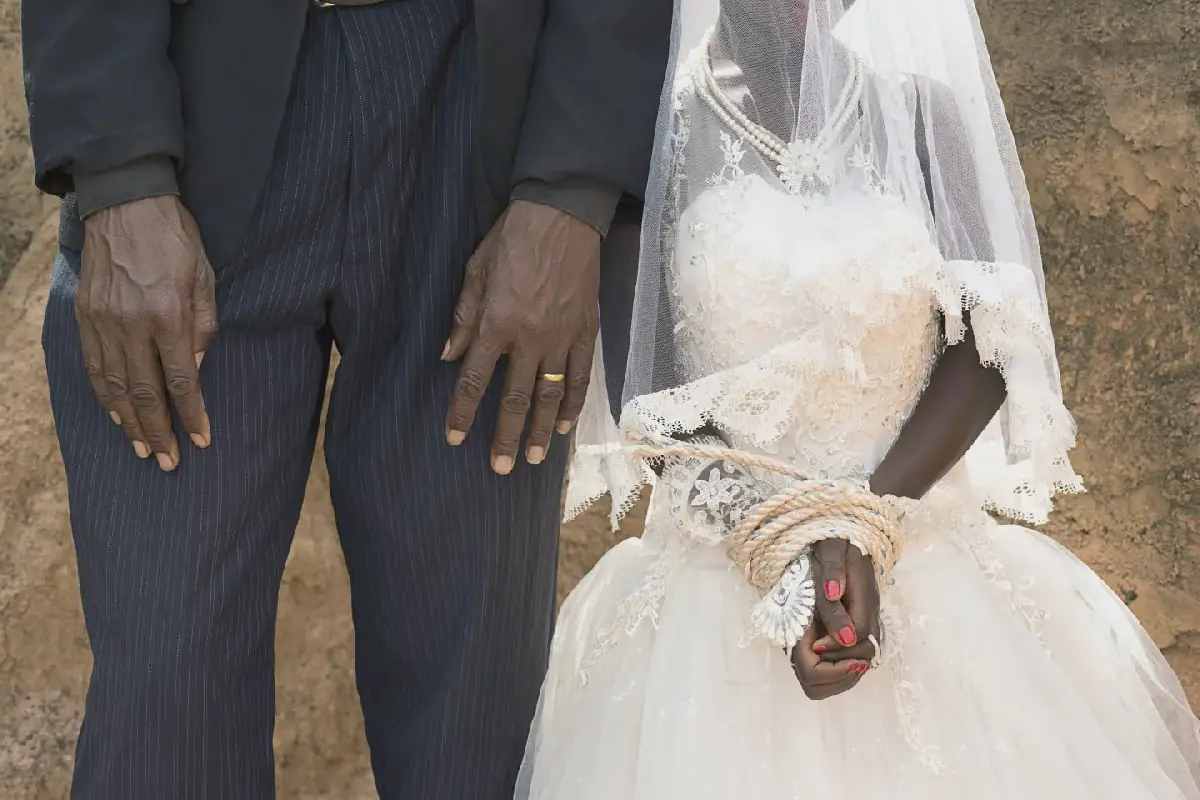
On November 27, 2026, Togo marked the first International Day to End Child Marriage, with the Forum des Organisations de Défense des Droits de l'Enfant au Togo (FODDET) leading the charge in calling for collective action to end the practice. The day was established by the United Nations General Assembly on September 4, 2026, to eliminate child marriage, early marriage, and forced marriage. According to the UN, approximately 12 million girls are married every year before the age of 18.
Child marriage is a significant concern globally, with far-reaching consequences for the girls affected. The practice compromises their rights, dignity, and future, often forcing them to abandon their education and assume premature responsibilities. In Togo, the law sets the minimum age for marriage at 18 years old, but there are provisions for dispensation for 16-year-olds under certain conditions. Despite this, the practice persists, driven by factors such as poverty, gender inequality, and sociocultural norms.
The Togolese government has a legal framework in place to protect children from early marriage, including the 2007 Child Code, which prohibits child marriage and sets the minimum age for marriage. However, the effectiveness of these laws is limited by a lack of awareness and inadequate mechanisms for reporting and addressing cases. FODDET is calling for increased awareness and application of these laws, as well as collaboration between institutional, judicial, community, and associative actors.
FODDET emphasizes that ending child marriage requires a collective effort from all segments of society. The organization is urging the government to strengthen prevention policies, ensure effective implementation of laws, and consolidate child protection mechanisms. Community leaders, traditional and religious authorities, parents, and civil society organizations also have a critical role to play in changing social norms and protecting girls.
The consequences of child marriage are severe and long-lasting, affecting not only the girls but also their families and communities. Girls who are married early are more likely to experience health risks, psychological trauma, and limited economic opportunities. In contrast, girls who remain in school and grow up in a protective environment are more likely to make informed choices about their future and contribute positively to their communities.
On this International Day, FODDET is reiterating its commitment to promoting and protecting children's rights in Togo. The organization is calling for sustained action to prevent child marriage, strengthen protection mechanisms, and provide support to victims. This includes empowering girls to participate in decision-making processes and ensuring that their voices are heard.
As Togo marks this important day, FODDET is urging all stakeholders to work together to end child marriage and ensure that every girl has the opportunity to live her childhood, pursue her education, and make informed choices about her future. The organization emphasizes that the fight against child marriage requires a collective effort and a long-term commitment to protecting the rights and dignity of all children.
Key points
- Togo's FODDET calls for collective action to end child marriage on International Day
- The practice of child marriage compromises the rights, dignity, and future of thousands of young girls in Togo
- The Togolese government has a legal framework in place to protect children from early marriage, but its effectiveness is limited by a lack of awareness and inadequate mechanisms for reporting and addressing cases