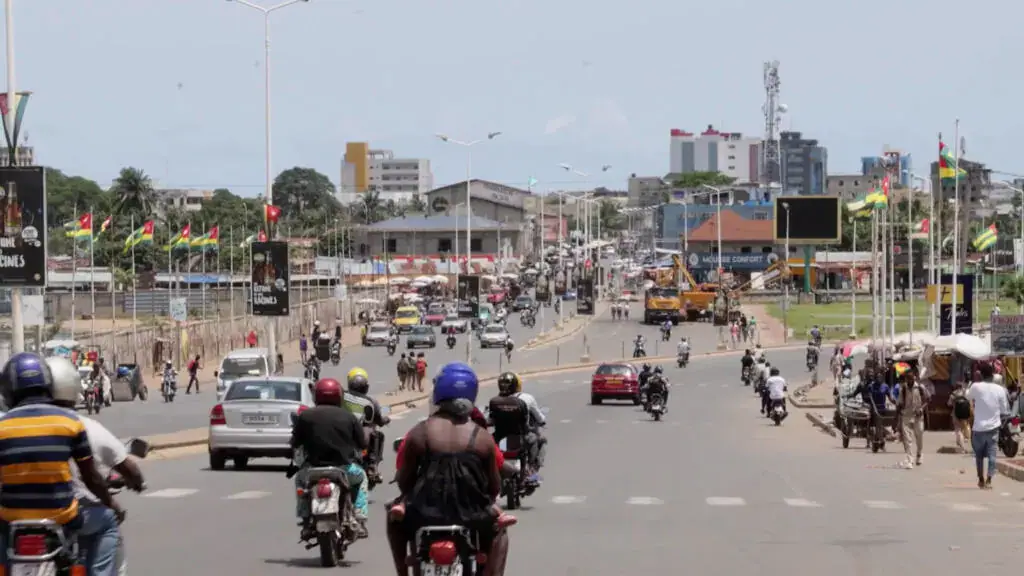
The United Nations marked the International Day for the End of Impunity for Crimes against Journalists on November 2, 2026, by emphasizing the urgent need to protect journalists worldwide. In Togo, the issue of journalist safety remains a significant concern, with several cases illustrating the challenges faced by media professionals. According to the UN, at least 34 journalists were killed in the past year, with six out of seven assassinations remaining unpunished.
The UN Secretary-General, António Guterres, expressed alarm over the high number of journalist fatalities and the prevalence of impunity in cases of violence against media workers. He stressed that nothing should hinder journalists' work, which is essential to respecting human rights, democracy, and the rule of law. Guterres called for investigations into each case, prosecution of those responsible, and an end to online attacks targeting journalists.
In Togo, several incidents have raised concerns about journalist safety. On September 29, 2024, six journalists were attacked at the headquarters of the Convention démocratique des peuples africains (CDPA) in Lomé. The journalists, who were covering a citizen meeting, had their equipment seized and thrown into a well. Two years after the incident, the Togolese Press Patronage (PPT) reported that no one had been arrested or held accountable.
Another case that has sparked concern is the situation of journalist Roger Amemavoh, who received anonymous threats in February 2026 after broadcasting a report on a land dispute. Professional organizations, including the Togolese Media Observatory (OTM), the Independent Journalists' Union of Togo (SYNJIT), and the PPT, called for his protection. These cases highlight the need to allow journalists to work without fear of reprisal.
The safety of journalists is not limited to preventing physical aggression but also includes protecting them from death threats, intimidation, and online harassment. Combating impunity requires concrete actions, including identifying perpetrators, establishing responsibilities, and prosecuting those involved. Ensuring transparency in investigations is also crucial to restoring trust.
The International Day for the End of Impunity for Crimes against Journalists serves as a reminder of the importance of evaluating commitments, recalling unresolved cases, and demanding precise responses to victims and their colleagues. Protecting journalists is essential to safeguarding the right to information and a free press.
In Togo and elsewhere, press freedom is measured by the ability of journalists to investigate sensitive topics without fear for their physical integrity or freedom. The reaction of institutions and the determination of the justice system to establish responsibilities are also crucial in protecting journalists and upholding the rule of law.
Key points
- Journalists in Togo face ongoing threats and impunity, with several cases highlighting the challenges faced by media professionals.
- The UN has called for an end to impunity for crimes against journalists, stressing the importance of investigations and prosecution.
- Protecting journalists is essential to safeguarding the right to information and a free press.