The Togolese government has announced its integration into the Resilient Empowered African Community Health (REACH) initiative, a pan-African program led by the International Federation of Red Cross and Red Crescent Societies (IFRC) in partnership with the Africa Centers for Disease Control and Prevention (Africa CDC) and China. This initiative aims to improve community health across the continent by strengthening and structuring community health systems. REACH has been rolled out in phases, with the ambition of covering all 55 member states of the African Union.
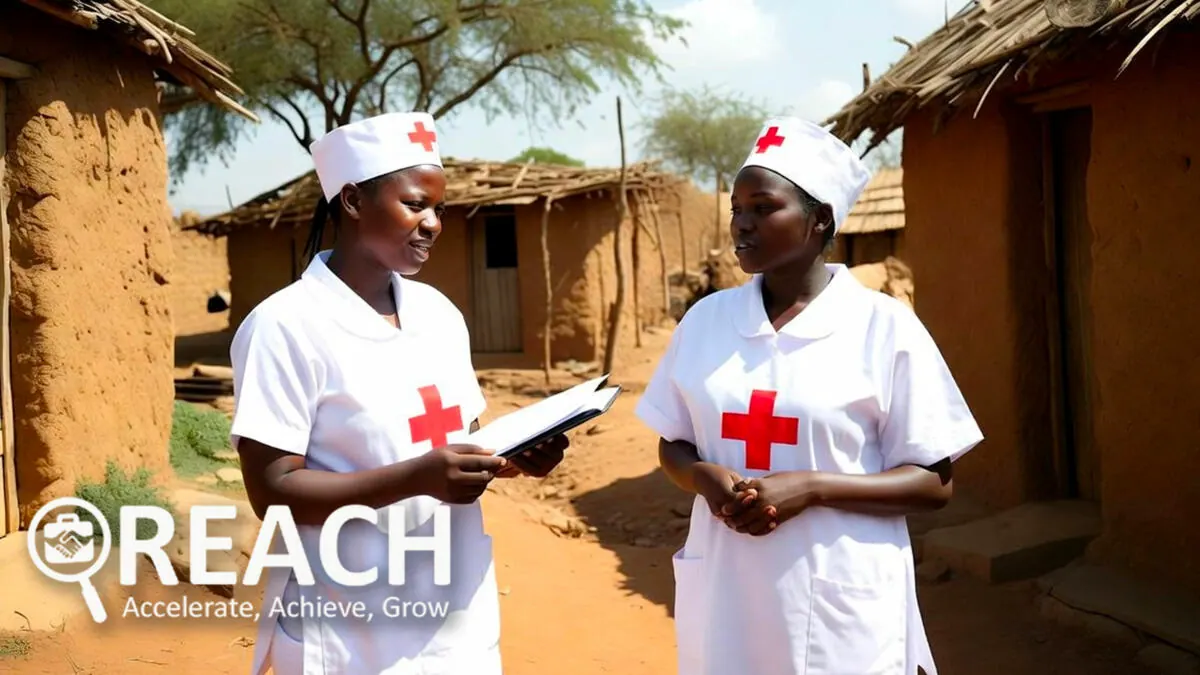
The REACH initiative focuses on community health agents, described by the IFRC as "always present" and "resilient". These agents can take on tasks previously reserved for more qualified health professionals, allowing them to reach isolated populations with limited access to medical services. This approach is based on the principle of "task-shifting", which enables community health agents to provide essential health services. By leveraging the capacities of these agents, REACH aims to bridge the healthcare gap in underserved communities.
The launch of REACH in Togo is part of a broader effort to strengthen community health in Africa, which gained momentum in 2017 when African Union heads of state committed to deploying two million community health agents across the continent. Several countries, including Ethiopia and Liberia, have already demonstrated the effectiveness of similar models. In Ethiopia, vaccination rates have tripled, while Liberia has seen a marked decrease in infant mortality rates and a rapid scale-up of its national program following the 2014-2016 Ebola outbreak.
The REACH initiative has been designed to address the challenges faced by community health systems in many African countries, including Togo. These systems are often fragmented and underfunded, despite being active in numerous countries. By providing a structured and coordinated approach, REACH aims to enhance the impact of community health agents and improve health outcomes. The initiative's phased rollout will enable it to adapt to local contexts and build on existing capacities.
Community health agents play a vital role in Togo's healthcare system, and their numbers are expected to increase as part of the REACH initiative. These agents are typically based in rural or underserved areas, where they provide essential health services, including vaccinations, maternal and child health care, and disease surveillance. By strengthening the capacities of these agents, REACH aims to improve health equity and reduce disparities in access to healthcare.
The partnership between the IFRC, Africa CDC, and China on the REACH initiative reflects a growing recognition of the importance of community health in Africa. The three partners bring complementary expertise and resources to the initiative, which will enable it to have a greater impact. The African Union's commitment to deploying two million community health agents across the continent has also galvanized support from other partners, including international organizations and donor countries.
As Togo integrates into the REACH initiative, the government is expected to work closely with local communities, civil society organizations, and international partners to implement the program. The initiative's success will depend on effective coordination, adequate funding, and strong community engagement. If successful, REACH could serve as a model for community health programs in other African countries, helping to accelerate progress towards universal health coverage and improved health outcomes.
Key points
- The REACH initiative aims to cover all 55 member states of the African Union.
- Community health agents can take on tasks previously reserved for more qualified health professionals.
- The initiative has already shown promising results in countries such as Ethiopia and Liberia.