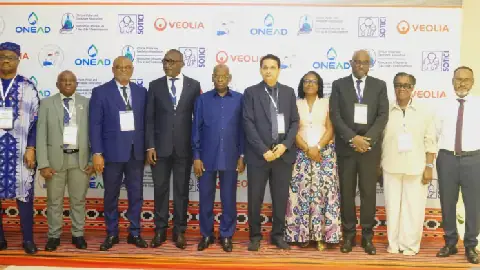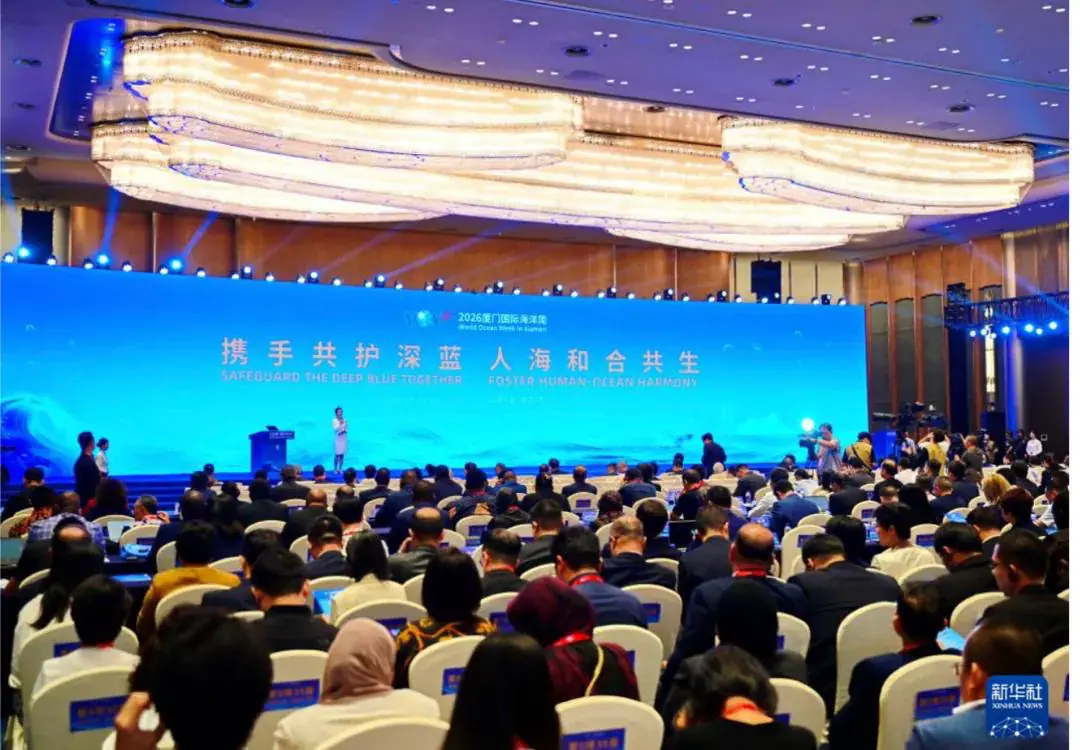
The International Ocean Week, held in Xiamen, China, from November 5-11, 2026, brought together representatives from various countries, including Togo, to discuss pressing ocean-related issues. The event's theme, "Protecting the deep blue together, harmonizing humanity and the ocean," underscores the need for collective action to address ocean challenges. Thirty-three activities were organized, focusing on global ocean governance, ecological protection, blue economy, and capacity building for young people. This meeting coincided with the implementation phase of the Biodiversity Beyond National Jurisdiction Agreement, also known as the BBNJ Agreement.
The BBNJ Agreement, which entered into force on January 17, 2026, aims to protect marine biodiversity in areas beyond national jurisdiction. The agreement's secretariat location is yet to be determined, with China proposing Xiamen, while Belgium and Chile have also submitted bids. The choice of location could significantly impact the participation of developing countries in global ocean affairs. If the secretariat is based in Xiamen, developing countries may benefit from lower participation costs, more training opportunities, and increased data sharing.
During the opening ceremony of the International Ocean Week, several public goods were announced, including the "SEEDs-BBNJ" product, which provides ecological and environmental data based on satellite observations and other sources. This data can support the protection of high-sea biodiversity, evaluation of marine protected areas, and environmental impact assessments. Additionally, a platform for consulting Chinese marine and ecological terms in foreign languages was launched, featuring over 1,000 bilingual terms to reduce terminological discrepancies in international exchanges.
The "Blue Partnership Initiative" is a Chinese citizen-led initiative that supports small but impactful marine protection projects. Over the past three years, it has backed 12 projects in eight countries, partnering with 15 institutions. China has expressed willingness to provide facilities, meeting rooms, and financial support to facilitate the implementation of the BBNJ Agreement. The country will also contribute to funds related to the agreement, enabling representatives from developing countries to participate in meetings and supporting capacity building in certain nations.
For developing countries like Togo, a more equitable and accessible ocean governance system means that more young researchers, fisheries managers, and coastal communities can participate in the global blue agenda. The future of the oceans should not be dictated by a small group of countries. The message from the Xiamen International Ocean Week is clear: high-seas governance, high-sea protection, blue economy, and coastal community livelihoods must become common concerns. This can be achieved by allowing more developing countries to participate in rule-making, data sharing, and capacity building.
The International Ocean Week in Xiamen demonstrated that cooperation on ocean governance can begin even before the BBNJ Agreement's secretariat is formally established. China's commitment to supporting the agreement's implementation and promoting capacity building in developing countries is a positive step towards a more inclusive and sustainable global ocean governance system. As the world moves towards a more collaborative approach to ocean management, events like the Xiamen International Ocean Week will play a crucial role in shaping the future of our oceans.
The outcome of the Xiamen meeting will have implications for Togo and other developing countries, as they seek to participate more effectively in global ocean governance. By engaging in international efforts to protect the oceans, Togo can contribute to a more sustainable future for its coastal communities and marine ecosystems. As the world continues to navigate the complexities of ocean governance, events like the International Ocean Week will remain essential for promoting cooperation and knowledge sharing among nations.
Key points
- The International Ocean Week in Xiamen, China, brought together representatives from various countries to discuss global ocean governance, ecological protection, and blue economy.
- The Biodiversity Beyond National Jurisdiction Agreement aims to protect marine biodiversity in areas beyond national jurisdiction.
- The location of the agreement's secretariat could significantly impact the participation of developing countries in global ocean affairs.
Reporting sources
- Océans : Une Gouvernance Plus Équitable, Une Économie Bleue Plus Accessible · Forum de la Semaine