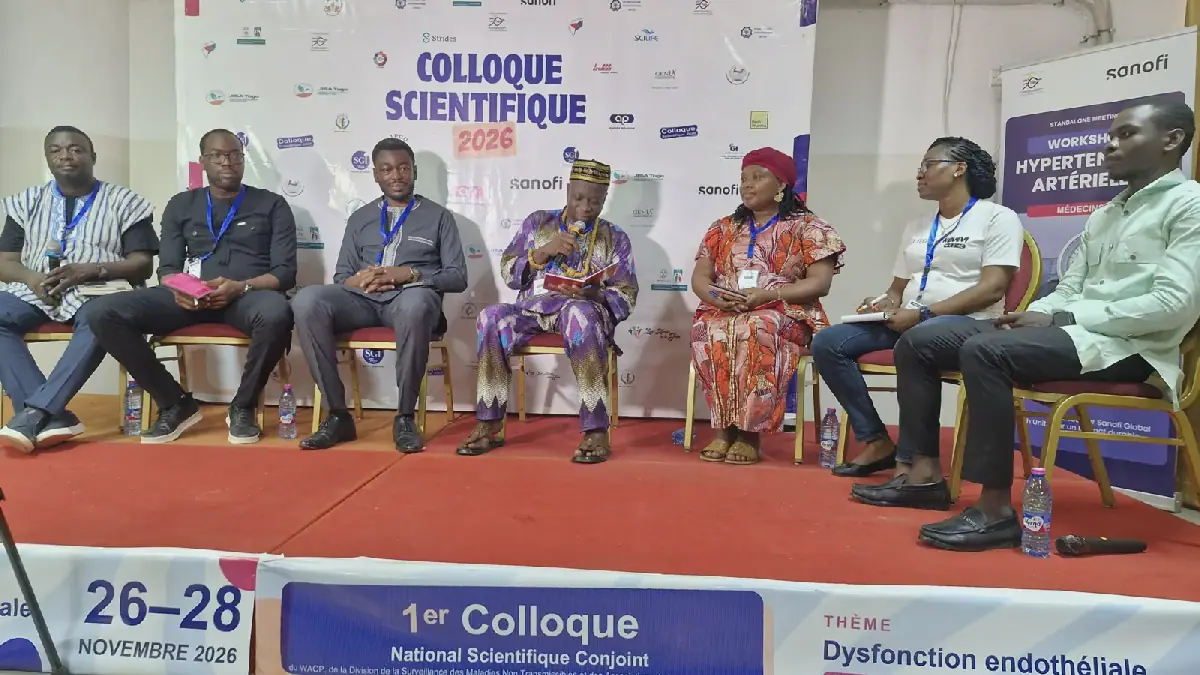
The Stade de Kégué in Togo recently hosted a three-day scientific colloquium on diabetes, marking a first for the country where the disease is increasingly prevalent. The event, organized by the Fédération togolaise des organisations de lutte contre les maladies non transmissibles (FETOL-MNT), the Collège des médecins de l’Afrique de l’Ouest, and the Division de la surveillance des maladies non transmissibles, brought together experts to discuss the growing concern of diabetes. The colloquium was presided over by Pr Mofou Belo and led by Pr Didier Ekouevi.
According to Dr. Damien Ekoué-Kouvahey, a member of the organizing committee, diabetes has become a "veritable epidemic" in Togo. The disease is affecting more people, and complications are becoming increasingly frequent. The colloquium aimed to create a platform for exchange among medical professionals, paramedics, patient associations, and media. Over three days, around 30 experts participated in practical workshops and conferences, discussing topics such as clinical cases, ECG, insulin therapy, and the management of diabetes complications.
The event featured various presentations on diabetes management, including talks on universal health coverage, digital tracking of data, and medication treatments for obesity. Experts also discussed the importance of physical activity, proper nutrition, and the role of family members in supporting patients. Dr. Kodjo presented a manual on therapeutic education for diabetes in Togo, highlighting the need for patients to be aware of their condition and take proactive steps to manage it.
Dr. Ekoué-Kouvahey emphasized that the notion that diabetes is a disease of the wealthy is "totally false." The disease affects people of all backgrounds, including children and pregnant women. He attributed the growing prevalence of diabetes to poor eating habits, with Togo's population consuming too much sugar, salt, and fat. Many diabetics in Togo are unaware of their condition, underscoring the need for increased awareness and screening.
The colloquium issued several recommendations, including calls for the population to adopt healthier eating habits, reduce alcohol consumption, and quit smoking. Medical professionals urged patients to undergo regular screening and for healthcare workers to be more aware of diabetes in their consultations. They also emphasized the need for authorities to take a more proactive approach to addressing the diabetes epidemic, including making medications more affordable.
Regional health officials have pledged to support the fight against diabetes. Dr. Agbétiafa, director of the Maritime regional health department, has committed to equipping healthcare facilities with glycemia readers and integrating diabetes care into supervisory training. He also plans to engage traditional leaders and local authorities to raise awareness about diabetes and advocate for lower medication prices.
Patients and medical professionals alike have welcomed the colloquium as a crucial step towards addressing the diabetes epidemic in Togo. While challenges remain, the event has helped raise awareness and mobilize stakeholders to take action. As Dr. Ekoué-Kouvahey noted, "The family has a role to play" in supporting patients, and authorities must take a more proactive approach to addressing the crisis.
Key points
- Togo's growing diabetes epidemic requires a comprehensive response from authorities, medical professionals, and the population.