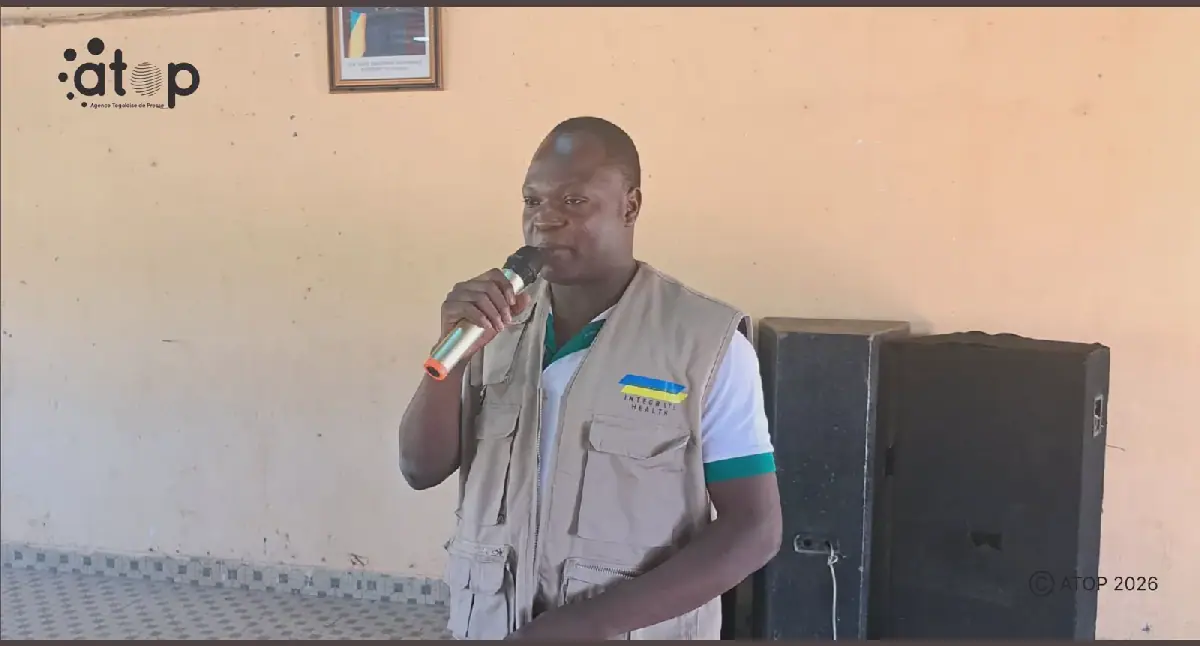
The Togolese Health Ministry recently organized a workshop in Niamtougou to educate community leaders, traditional chiefs, and healthcare professionals on the signs and prevention measures for diseases with epidemic potential. The workshop, which took place on November 13, aimed to enhance the knowledge of these stakeholders on the means of prevention and control of diseases such as meningitis, measles, cholera, Lassa fever, and Ebola. These diseases are capable of causing severe epidemics, particularly during the dry season.
The workshop provided participants with information on the main clinical signs of these diseases, including sudden fever, intense fatigue, headaches, and stiff neck in the case of meningitis. The participants also learned about hemorrhagic manifestations, such as nosebleeds, earbleeds, and blood in stool or vomit, as well as the different modes of transmission. The importance of recognizing symptoms quickly and reporting suspected cases was emphasized, as well as the need for strengthened surveillance at borders, especially with the upcoming end-of-year celebrations.
The participants were also educated on individual and collective prevention measures, including regular handwashing with soap and water, wearing masks, adopting barrier gestures, vaccination when indicated, and sanitizing public areas. The role of each stakeholder in the response to potential epidemics was also discussed. The workshop was attended by members of the local organization committee, traditional chiefs, and healthcare professionals.
The Prefect of Doufelgou, Col. Aziaba Ayi Sessi, emphasized the importance of promoting good hygiene practices, both individually and collectively, to preserve the health of the population. He invited traditional and religious leaders to disseminate the information received to their communities and encouraged teachers and parents to teach children good hygiene habits, such as handwashing with soap, using latrines, and drinking clean water.
Col. Aziaba also urged community health agents to be vigilant and report any suspected cases without delay or stigmatizing the patients. He called on the population to trust health services, respect vaccination recommendations, and avoid self-medication and the spread of false information on social media. The Prefect emphasized that the workshop provided a platform to strengthen community surveillance and promote early detection of suspected cases.
Dr. Alassani Nourou, the Prefectural Director of Health of Doufelgou, recalled that prevention remains the best defense against diseases with epidemic potential. He stressed that early detection and rapid reporting of cases, combined with the fight against rumors, are crucial in preventing epidemics. The Director emphasized the importance of collaboration between stakeholders to prevent and control diseases.
The workshop is part of the Health Ministry's efforts to prevent and control diseases with epidemic potential in Togo. The Ministry aims to educate community leaders and healthcare professionals on the signs and prevention measures for these diseases, particularly in areas prone to epidemics. By enhancing the knowledge and skills of these stakeholders, the Ministry hopes to reduce the risk of epidemics and promote a healthier population.
Key points
- The Togolese Health Ministry organized a workshop to educate community leaders on signs and prevention measures for diseases with epidemic potential.
- The workshop aimed to enhance the knowledge of stakeholders on the means of prevention and control of diseases such as meningitis, measles, and Ebola.
- The Ministry emphasized the importance of prevention, early detection, and rapid reporting of cases in preventing epidemics.