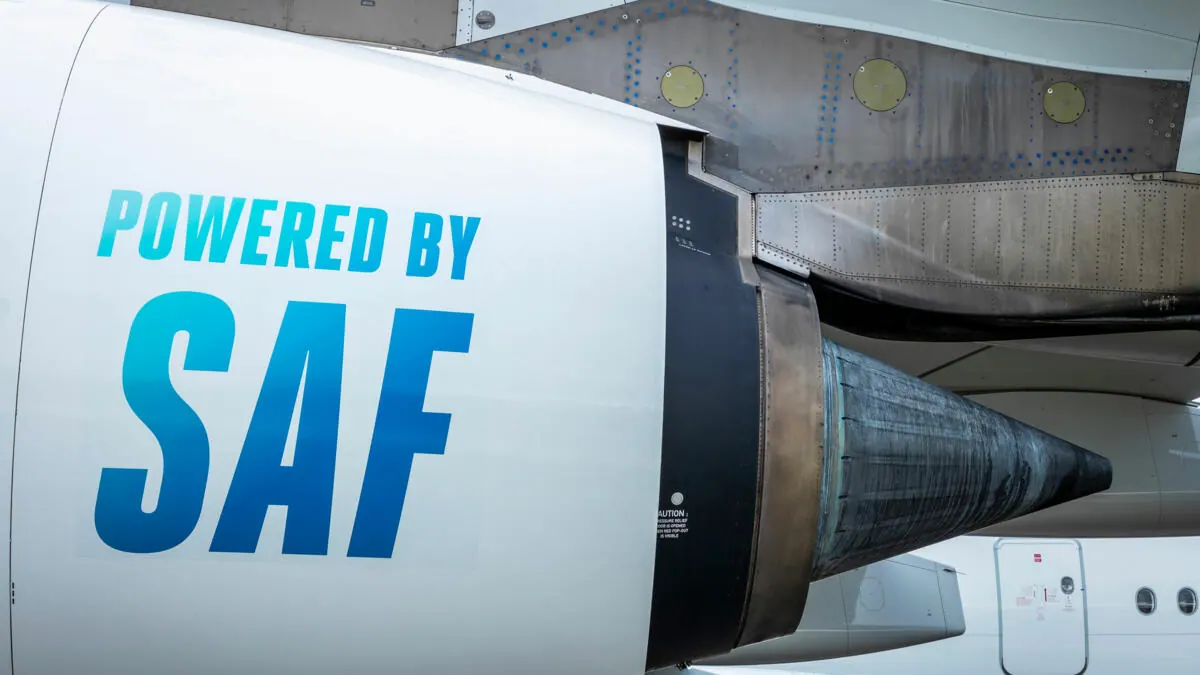
The Togolese aviation authorities are exploring the use of Sustainable Aviation Fuel (SAF) as an alternative to traditional fossil kerosene. SAF is a "drop-in fuel" that can be blended with conventional kerosene and used in existing aircraft engines and airport infrastructure. This alternative fuel is produced from renewable or recycled materials such as used cooking oils, animal fats, agricultural and forestry residues, and waste.
The use of SAF can reduce carbon dioxide emissions by up to 80% throughout its lifecycle, depending on the production process. According to the International Air Transport Association (IATA), global SAF production is expected to reach 2.4 million tonnes in 2026, accounting for only 0.8% of the total fuel consumption of airlines. This represents a significant shortfall in meeting the industry's goal of achieving carbon neutrality by 2050.
The high cost of SAF remains a major obstacle to its adoption. Currently, SAF costs two to five times more than conventional kerosene, with some estimates suggesting it can be up to eight times more expensive. Although the recent energy shock caused by the Middle East conflict has narrowed the price gap, SAF remains a niche product due to high production costs and a fragile project pipeline.
For developing aviation hubs like Lomé, the adoption of SAF raises two key questions: the cost implications for airlines and the potential for local production using agricultural resources and waste. The Togolese authorities are considering offering SAF as an option to airlines, but its implementation is not imminent. Asky, the country's national airline, and the Lomé airport have expressed ambitious plans for growth.
The production of SAF can be achieved through various methods, including the use of hydrogen and captured CO2, known as e-SAF or synthetic fuel. The fuel can be produced from a range of feedstocks, including waste and residues, reducing the reliance on fossil fuels. The aviation industry's commitment to carbon neutrality by 2050 has driven interest in SAF, but progress has been slow.
In 2026, the global SAF market is expected to be worth $4.3 billion, according to IATA. However, this represents a small fraction of the overall aviation fuel market. The industry association has described the current state of SAF adoption as "another disappointing year." The slow uptake of SAF has significant implications for the aviation industry's efforts to reduce its carbon footprint.
As the aviation industry continues to explore alternatives to fossil fuels, the development of SAF production capacity in countries like Togo could play a crucial role. The country's experience with SAF could provide valuable insights into the feasibility of local production and the potential for cost reduction. The adoption of SAF has the potential to transform the aviation industry, but significant challenges need to be addressed.
Key points
- Togo is considering the adoption of Sustainable Aviation Fuel to reduce carbon emissions.
- The high cost of SAF remains a major obstacle to its adoption.
- The production of SAF can reduce carbon dioxide emissions by up to 80% throughout its lifecycle.