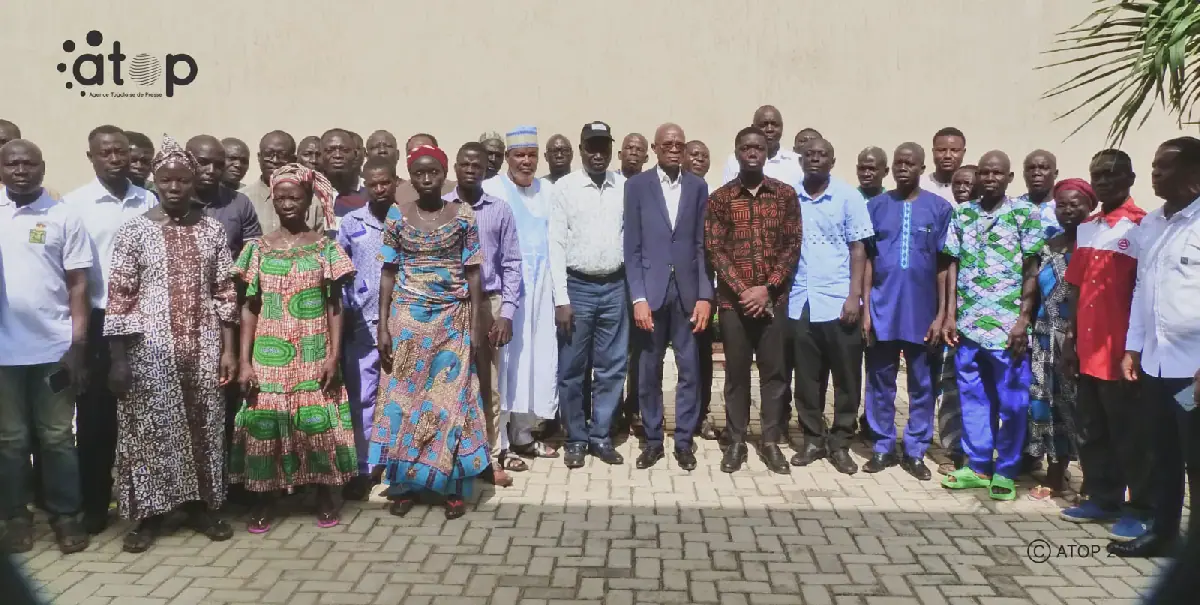
In a recent gathering in Notsè, Togo, stakeholders from the livestock sector were sensitized on the importance of preserving pregnant sheep and goats. The meeting, organized by the livestock-meat production committee, aimed to educate participants on the economic and zootechnical impact of slaughtering pregnant females. The project, "strengthening the sanitary and economic security of actors linked to livestock production," seeks to promote the preservation of reproductive females and renewal of herds.
The meeting, which took place on October 30, brought together various stakeholders, including veterinarians, butchers, livestock traders, and representatives of producer organizations. Participants were informed about the regulations in place regarding the slaughter of pregnant females in Togo. They were also educated on best practices and preventive measures tailored to the local context to limit the massive destruction of pregnant females.
Dr. Kombaté Kongna, a veterinarian, emphasized the need to recall the regulations related to the slaughter of pregnant sheep and goats. He highlighted the main zootechnical and economic consequences on herd renewal and the regulatory framework governing the protection of reproductive females. The role of veterinary control in enforcing these regulations was also discussed.
The stakeholders present at the meeting committed to preserving reproductive females, respecting rules prohibiting the slaughter of pregnant females of certain small ruminant species, and adopting best practices and preventive measures. The participants acknowledged the importance of collaboration between various actors and local authorities to achieve these goals.
The livestock-meat production committee's initiative aims to promote sustainable livestock production practices in Togo. By preserving pregnant females, the sector can ensure the renewal of herds and maintain its economic viability. The meeting in Notsè marked an important step towards achieving this objective.
Togo's livestock sector faces various challenges, including the need to balance economic and sanitary concerns. The preservation of pregnant females is crucial to addressing these challenges. By working together, stakeholders can promote a more sustainable and responsible livestock production system.
The success of this initiative will depend on the continued engagement of various stakeholders, including veterinarians, butchers, and livestock traders. Their commitment to preserving reproductive females and adopting best practices will be essential in promoting a healthier and more sustainable livestock sector in Togo.
Key points
- Togo's livestock sector stakeholders meet to discuss preservation of pregnant sheep and goats.
- The meeting aimed to educate participants on the economic and zootechnical impact of slaughtering pregnant females.
- Stakeholders committed to preserving reproductive females and adopting best practices.