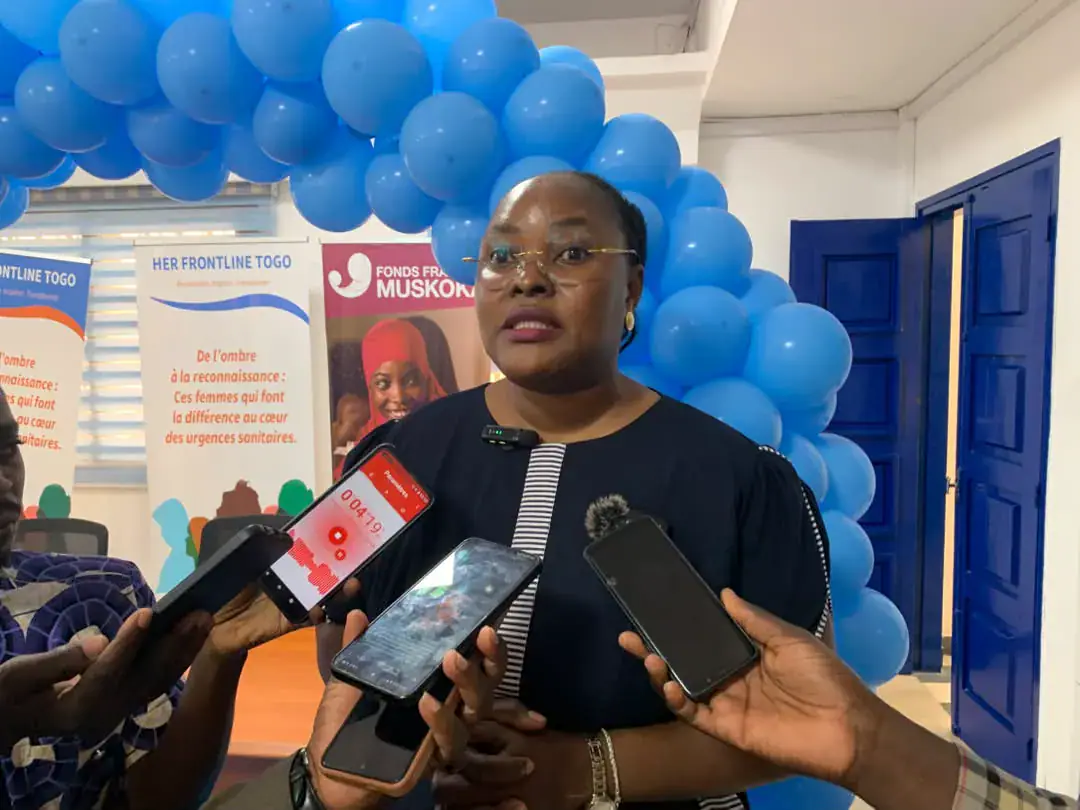
The Association togolaise du diabète (ATD) has released the results of a survey on the management of type 2 diabetes in Togo. Conducted from October 17 to November 11, 2026, the survey gathered responses from 135 doctors, revealing a concerning lack of knowledge and skills in managing the condition. The survey's findings were presented at a conference held at the World Health Organization's office in Lomé. According to the ATD, the survey aimed to assess doctors' knowledge, attitudes, and practices in managing type 2 diabetes.
The survey's results show that respondents had a median knowledge score of 16 out of 26. Only 14.1% of doctors demonstrated a good level of knowledge, while 37.8% had a medium level, 33.3% a low level, and 14.8% a very low level. The gaps in knowledge were particularly evident in areas such as glycemic targets, cardiovascular and renal protection, and complication monitoring. The ATD's president, Dr. Sekpé Kessy, noted that the survey's findings highlight the need for improved training and support for doctors.
The survey also found that only 31.1% of respondents had received continuing education on diabetes in the past 24 months. The majority of respondents were general practitioners, with only 3.7% being internists or endocrinologists. The ATD recommends targeted training programs, including case-based masterclasses, to improve doctors' knowledge and skills. The organization also suggests regular inventory of equipment and medications, as well as improved access to essential medicines.
According to the International Diabetes Federation, approximately 177,500 people in Togo lived with diabetes in 2024, with around 80% of cases undiagnosed. Dr. Kessy emphasized that the survey's findings highlight the need for early action against diabetes. She encouraged the population to adopt healthy lifestyles, including regular physical activity and balanced diets, and to get screened for diabetes at least once a year.
The ATD is calling for improved access to healthcare services, including reduced costs for examinations and treatments, as well as a regular supply of essential medications. The organization also recommends the development of a national guide for diabetes management and the integration of essential equipment and supplies into the healthcare system. Dr. Kessy stressed that diabetes is a growing concern in Togo, with an estimated 20% of the population having impaired glucose tolerance.
To mark World Diabetes Day, the ATD is organizing a march in Lomé to promote physical activity and screening. The event, held under the theme "Agir tôt contre le diabète" (Act early against diabetes), aims to raise awareness about the importance of early detection and management of diabetes. Dr. Kessy urged the population to take diabetes seriously and to adopt healthy lifestyles to prevent the condition.
The ATD plans to repeat the survey after implementing interventions to assess progress. The organization hopes that the findings will inform policy decisions and improve the management of diabetes in Togo. Dr. Kessy emphasized that early action against diabetes requires a collaborative effort from healthcare providers, policymakers, and the population.
Key points
- Doctors in Togo lack sufficient knowledge and skills to manage type 2 diabetes effectively.
- The Association togolaise du diabète recommends targeted training programs and improved access to healthcare services.
- Togo faces a significant burden of undiagnosed diabetes, with an estimated 80% of cases undetected.