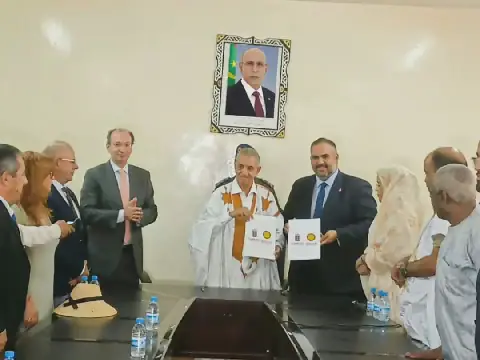
The governments of Togo, Benin, and Côte d'Ivoire have recently signed a protocol agreement in Abidjan to coordinate their liquefied natural gas (LNG) supplies and develop transboundary gas infrastructure. The agreement was signed by Robert Koffi Messan Eklo, Togo's minister delegate in charge of energy and mining resources, on behalf of his country. This accord aims to enhance the three nations' energy security through diversified sources.
The agreement comes as Togo currently relies on the West African Gas Pipeline (WAGP), which transports gas from Nigeria to Benin, Togo, and Ghana. However, the pipeline has not met its promised capacity, making electricity generation vulnerable. By investing in LNG, the three countries seek to secure their power production and reduce dependence on a single gas source. Togo is exploring the construction of an LNG reception and storage terminal in its port.
LNG is natural gas cooled to approximately -162 °C, allowing it to be transported by ship. This process reduces the gas's volume by about 600 times, enabling countries to purchase gas from anywhere in the world without relying on pipelines or a single supplier. Upon arrival, LNG is stored and regasified before powering electricity plants or industries. This operation occurs at onshore terminals or floating units moored at ports.
The use of LNG is often promoted as a transitional energy source, being less polluting than coal or fuel oil. Togo, Benin, and Côte d'Ivoire are taking steps to benefit from this energy alternative. Their agreement includes cooperation on infrastructure development to support LNG imports. This collaboration may help the countries achieve more stable and sustainable energy supplies.
Minister Eklo emphasized the need for rapid implementation of the agreement and praised the technical teams from the three countries, as well as the support from the World Bank. The agreement signifies a strategic move by Togo, Benin, and Côte d'Ivoire to strengthen their energy security and diversify their gas sources. This development may have positive implications for the region's energy landscape.
The WAGP has been in operation since 2003, initially aiming to transport 150 million standard cubic feet per day. However, it has consistently underperformed, affecting electricity generation in the region. The new agreement offers a potential solution to these challenges by introducing LNG as an alternative energy source. Togo, Benin, and Côte d'Ivoire are positioning themselves to benefit from this emerging market.
As the three countries move forward with their agreement, they will likely focus on developing the necessary infrastructure to support LNG imports. This process will involve investments in terminals, storage facilities, and transportation systems. The outcome may be a more resilient energy supply for Togo, Benin, and Côte d'Ivoire, ultimately contributing to the region's economic growth and development.
Key points
- The agreement allows Togo, Benin, and Côte d'Ivoire to purchase LNG from global markets, reducing their dependence on pipeline gas.
Reporting sources
- Trois pays, un même pari gazier · republicoftogo.com