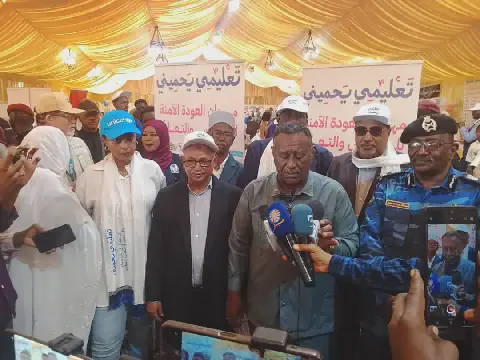
In Togo, authorities have been criticized for attending and promoting events that are considered trivial, sparking questions about their priorities and governance. Recently, the prefect and other local authorities attended the handover of a few benches to the Cinkassé Prefectural Hospital, which drew reactions from the public. This event has reignited debates about the role of authorities in such ceremonies and whether they have more pressing matters to attend to.
The presence of authorities at such events has raised concerns about the trivialization of public office and the emphasis on protocol over meaningful action. Critics argue that the authorities' focus on trivial events undermines the seriousness of their responsibilities and distracts from more pressing issues. For instance, during the handover of 20 benches to the Cinkassé hospital, the prefect praised President Faure Essozimna Gnassingbé for renovating healthcare facilities, but noted that the hospital still lacked basic amenities like benches.
Similar criticisms have been levied against the inauguration of a mechanical mill in Koudjoloulou, where the prefect linked the initiative to the government's policy of promoting women's empowerment. However, critics argue that such initiatives are often superficial and do not address the root causes of problems faced by local communities. The event has sparked questions about the effectiveness of government policies and whether they are truly addressing the needs of citizens.
The Togolese government's efforts to promote women's empowerment and community development have been criticized for being inadequate and ineffective. Despite nearly 18 years of programs and projects aimed at empowering women and promoting community development, led by the Ministry of Basic Development, the situation on the ground remains dire. Many projects, including multifunctional platforms, have failed to deliver meaningful results and are now out of service.
The Togolese public has grown accustomed to seeing authorities attend and promote events that are often mundane and lacking in substance. From mayors receiving iron bars for school masts to governors inaugurating boreholes, the pattern of behavior has become familiar. Critics argue that this emphasis on protocol and ceremony undermines the credibility of public office and reduces governance to a series of trivial events.
The development of a country should be measured by concrete improvements in citizens' living conditions, infrastructure durability, public service quality, and policy effectiveness, not by the number of ceremonies or events attended by authorities. Critics argue that the authorities' priorities are misplaced and that they should focus on delivering meaningful results rather than promoting themselves through trivial events.
The image of Togo, a country that asserts its sovereignty, is at stake, with concerns that its representatives sometimes lack perspective on what warrants official attention. Sovereignty should translate into a higher standard of public conduct and a more dignified approach to institutional action. Ultimately, governing is not about organizing ceremonies, but about ensuring citizens have access to essential services and infrastructure.
Key points
- Authorities in Togo have been criticized for attending trivial events, sparking concerns about their priorities and governance.
- Critics argue that the authorities' focus on trivial events undermines the seriousness of their responsibilities and distracts from more pressing issues.
- The development of Togo should be measured by concrete improvements in citizens' living conditions, not by the number of ceremonies or events attended by authorities.
Reporting sources
- Opinion| Togo: nos autorités sont-elles si désœuvrées ? · icilome.com