The Togo and Gambia are set to benefit from a regional project aimed at expanding access to electricity. The project, valued at $160 million, is financed by the World Bank and implemented in collaboration with the Economic Community of West African States (ECOWAS). The initiative, known as RAISE (Regional Access Increase and Sustainable Energy), was approved by the World Bank in June and is part of a broader strategy to develop a regional electricity market in West Africa.
The project aims to electrify 1,800 localities, connect 202,000 households, and develop 242 megawatts of renewable energy capacity. By doing so, it is expected to provide electricity to approximately one million people. The project combines network expansion, sector reforms, and mobilization of private investors to address the main obstacles to access to electricity, including cost, lack of infrastructure, and weak sector capacity.
The World Bank project is part of a larger strategy, the Regional Electricity Market Programme (REMP), which seeks to develop a regional electricity market in West Africa. The programme aims to increase access to electricity, improve the efficiency of the electricity sector, and promote economic growth in the region. The project is expected to have significant impacts, including generating revenues equivalent to around 11,700 jobs per year, including around 9,200 in Togo.
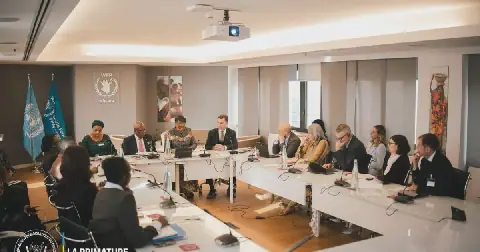
The project entered into force on October 29, 2026, and is supported by a $10 million grant agreement signed in July between ECOWAS and the World Bank to facilitate regional coordination and implementation. The project is expected to be executed within three to four years. A support mission is currently underway in Abuja, which will review the project's progress, examine challenges, and strengthen coordination between concerned institutions.
The RAISE project is designed to address the main challenges facing the electricity sector in Togo and Gambia, including high costs, inadequate infrastructure, and weak institutional capacity. By expanding access to electricity, the project aims to promote economic growth, improve living standards, and reduce poverty in the two countries. The project is also expected to have positive environmental impacts by promoting the use of renewable energy sources.
The World Bank's support for the RAISE project is part of its broader efforts to promote sustainable energy development in Africa. The Bank has been working with ECOWAS and other regional organizations to develop a regional electricity market in West Africa, which is critical for promoting economic growth, reducing poverty, and improving living standards in the region.
A mission d'appui is taking place until November 20 in Abuja to review the project's progress, examine challenges, and strengthen coordination between concerned institutions.
Key points
- The project aims to connect 202,000 households and develop 242 megawatts of renewable energy capacity.
- The project is expected to provide electricity to approximately one million people and generate revenues equivalent to around 11,700 jobs per year.
- The project is part of a broader strategy to develop a regional electricity market in West Africa.
Reporting sources
- 202 000 foyers à raccorder au Togo et en Gambie · republicoftogo.com