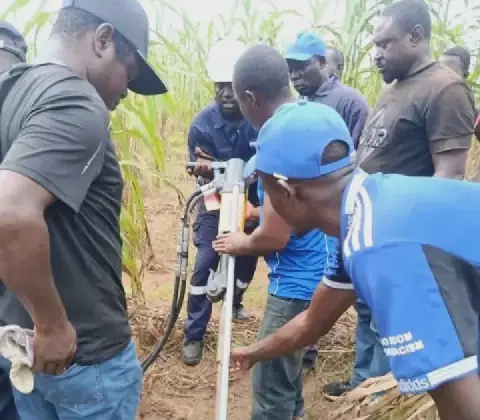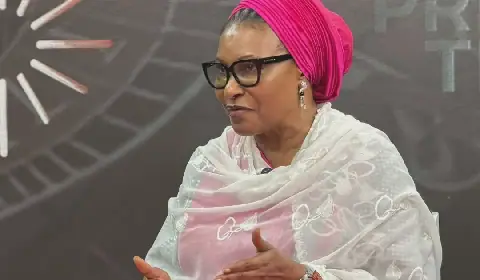
The Togolese government is gearing up for its next cooperation cycle with Gavi, the Vaccine Alliance, for the period 2026-2030. A recent exchange mission with national stakeholders identified the country's primary needs and areas for improvement. Discussions focused on vaccine availability, cold chain management, data quality, healthcare worker competencies, and population access to vaccination services. The goal is to enhance the quality and continuity of vaccination services while adapting Gavi's future support to Togo's health system realities.
Gavi, an alliance of global health partners, was established to address the issue of unequal access to life-saving vaccines. The organization has four founding partners: the World Health Organization (WHO), UNICEF, the World Bank, and the Bill & Melinda Gates Foundation. Gavi also works with donor and beneficiary governments, the pharmaceutical industry, technical agencies, and civil society. Since its inception, Gavi claims to have vaccinated over 1.2 billion children and prevented more than 20.6 million future deaths, contributing to a 50% reduction in infant mortality in 78 low- and middle-income countries.
The Gavi 6.0 strategy will guide the organization's work over the next four years. Gavi's model is based on strategic cycles of five years, with funding primarily provided by donor governments, foundations, and the private sector (77%), and innovative financing mechanisms like the International Finance Facility for Immunisation (IFFIm) (23%). A key aspect of Gavi's approach is that as a country becomes wealthier, it gradually takes on a larger share of vaccination costs, eventually becoming fully autonomous once a certain national income threshold is reached.
The current exchange mission in Togo aims to inform the country's future cooperation with Gavi. The discussions will help define intervention priorities and next steps for the partnership. This process is crucial in aligning Togo's vaccination strategy with Gavi 6.0, ensuring that the country's needs are addressed, and its health system is strengthened. The ultimate goal is to improve the quality and accessibility of vaccination services for Togo's population.
Gavi's work extends beyond routine vaccination programs. The organization also supports global vaccine stockpiles for diseases like Ebola, cholera, meningitis, and yellow fever, which can be accessed by any country facing an epidemic, regardless of its income level. This comprehensive approach enables countries to respond effectively to public health emergencies and protect their populations from vaccine-preventable diseases.
Togo's alignment with Gavi 6.0 reflects the country's commitment to strengthening its health system and improving vaccination outcomes. By working closely with Gavi and other partners, Togo aims to enhance its vaccination services, increase access to life-saving vaccines, and ultimately reduce child mortality. The country's experience with Gavi will inform its transition towards greater autonomy in healthcare, in line with the organization's model of gradual transition to self-sufficiency.
The next cooperation cycle between Togo and Gavi will focus on addressing the country's specific needs and priorities. By building on past successes and lessons learned, Togo and Gavi can work together to achieve significant improvements in vaccination coverage, equity, and effectiveness. This partnership will contribute to the global effort to ensure that all children have access to life-saving vaccines, regardless of their country of residence or socioeconomic background.
Key points
- Togo is preparing for its 2026-2030 cooperation cycle with Gavi, the Vaccine Alliance, to improve vaccination quality and access.