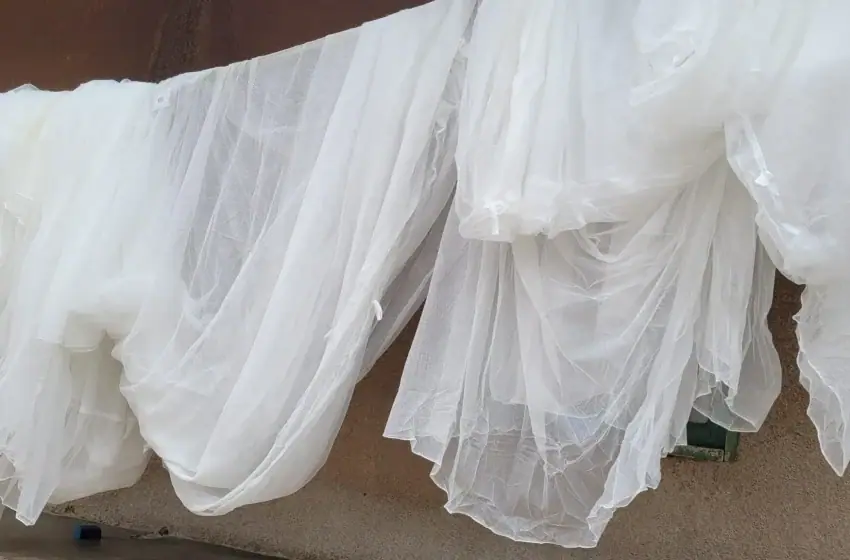
The Togolese government has successfully completed its sixth national campaign of free distribution of insecticide-treated bed nets (ITNs), aiming to combat malaria, a leading cause of mortality among children under five. The campaign, which ran from July 12 to August 2, 2026, distributed a total of 5,658,350 ITNs across the country. This effort is part of a triennial distribution campaign to reduce the incidence of malaria, which has been a significant public health concern in Togo since colonial times.
The campaign achieved remarkable coverage, with several prefectures reporting rates of over 99%. In the prefecture of Mô, in the Central Region, the campaign reached a coverage rate of 99.9%, with 13,271 households out of 13,290 receiving ITNs, and a total of 35,254 bed nets distributed. Similarly, in Oti-Sud, the rate reached 99%, with 109,327 ITNs distributed. In Bassar, the overall coverage stood at 97%, with notable performances at various distribution sites, including 94.9% at the Bassar Prefectural Hospital and 94.3% at the Mango Peripheral Care Unit.
The success of the campaign can be attributed to meticulous planning and preparation. Before the distribution, local organization committees worked on the schedule, responsibility allocation, household census, stock availability, social mobilization, and supervision. The operation was organized in two phases, covering different regions of the country. The use of digital tools, such as smartphones and tablets, facilitated the tracking of beneficiaries and ensured better traceability, reducing the risk of duplication.
A thorough census of households was conducted door-to-door between late May and early June, allowing health teams to identify beneficiary households and provide them with withdrawal coupons. This approach enabled better organization of the distribution process and ensured that ITNs reached the targeted households. The campaign's logistical chain was also well-structured, with each link, from planning to distribution, carefully organized to ensure the availability of ITNs at the right place and time.
The distribution of ITNs is a critical step in the fight against malaria, which remains a significant public health challenge in Togo. According to the World Health Organization, malaria is one of the leading causes of consultation, hospitalization, and mortality among children under five in the country. The ITN distribution campaign is an essential component of Togo's strategy to reduce the burden of malaria and protect its population.
The campaign's impact will depend on the consistent use of the distributed ITNs by households. With a significant proportion of the population protected, Togo can expect a reduction in malaria cases and related mortality. The government and health stakeholders will need to monitor the campaign's outcomes and assess the effectiveness of the ITN distribution in reducing malaria incidence.
The sixth national campaign demonstrates Togo's commitment to addressing the malaria challenge. With a well-planned and executed distribution process, the country has made significant progress in protecting its population. Key stakeholders, including the Ministry of Health and development partners, should be commended for their efforts in making this campaign a success.
Key points
- The campaign achieved a high coverage rate, with over 99% coverage in several prefectures.
- A total of 5,658,350 ITNs were distributed across the country.
- The use of digital tools facilitated the tracking of beneficiaries and ensured better traceability.