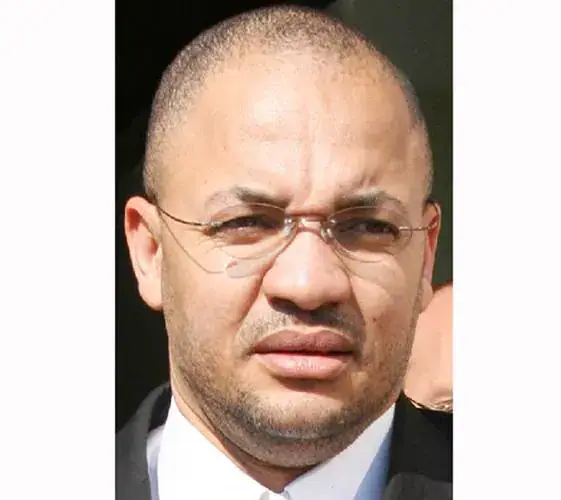
Human rights lawyer Norman Tjombe has expressed concerns over the City of Windhoek's plan to disconnect water and electricity services for residents with outstanding accounts. He argues that the move could expose vulnerable residents to serious health risks and violate their constitutional rights. The disconnections, set to begin on Thursday, target accounts in arrears across all Windhoek suburbs under the municipality's Credit Control Policy and applicable municipal legislation.
Tjombe emphasized that the planned disconnections are particularly insensitive given the financial pressure facing households amid the ongoing foot-and-mouth disease outbreak. The outbreak has disrupted rural livelihoods and threatened employment in the meat industry. He noted that urban families who depend on financial and material support from relatives engaged in small-scale livestock farming have suddenly lost that assistance.
The lawyer warned that denying people access to potable water will result in increased risk of cholera, typhoid fever, dysentery, hepatitis A, and other life-threatening diarrheal illnesses. He also pointed to the risk of job losses among hundreds of workers employed in abattoirs, butcheries, and shops affected by the outbreak. Tjombe argued that the municipality's decision fails to account for vulnerable residents, including young children, elderly and frail people, as well as those living with HIV/AIDS and tuberculosis.
Tjombe cited the Namibia's Water Resources Management Act 11 of 2013, which recognizes equitable access to safe drinking water as a basic human right. He emphasized that access to clean water is essential to a healthy and productive life. However, the Local Authorities Act 23 of 1992 and the municipality's Water Regulations and Credit Control and Debt Collection Policy also give municipalities powers to disconnect services for non-payment.
In response to the concerns, the municipality's spokesperson Lydia Amutenya said the mass disconnection exercise was prompted by continued non-payment of municipal accounts and the growing debt owed to the municipality. The City's debtors' book currently stands at approximately N$932.7 million, making debt recovery critical to its financial sustainability and ability to maintain infrastructure.
Amutenya explained that the exercise will be implemented across all suburbs and will apply to qualifying accounts that are 30 days or more in arrears, where no payment has been made and no approved payment arrangement has been concluded. She maintained that the City's Credit Control Policy is applied consistently and fairly to all account holders. Residents and businesses experiencing financial difficulties are encouraged to approach the municipality to negotiate payment arrangements.
The municipality also has a debt relief programme, which has been implemented between 2023 and 2025 to assist vulnerable residents. Of the N$724 million approved by council for debt relief and write-offs, approximately N$383.9 million has already been written off to benefit pensioners, orphan-led households, and other qualifying vulnerable groups. The programme remains active, with pensioner-owned households and other qualifying residents who have not yet benefited encouraged to approach the municipality for assistance.
Key points
- The City of Windhoek's plan to disconnect water and electricity services for residents with outstanding accounts has raised concerns over the potential health risks and violation of constitutional rights.
- The municipality's debtors' book currently stands at approximately N$932.7 million, making debt recovery critical to its financial sustainability.
- The municipality has a debt relief programme in place to assist vulnerable residents, with approximately N$383.9 million already written off to benefit pensioners and other qualifying groups.