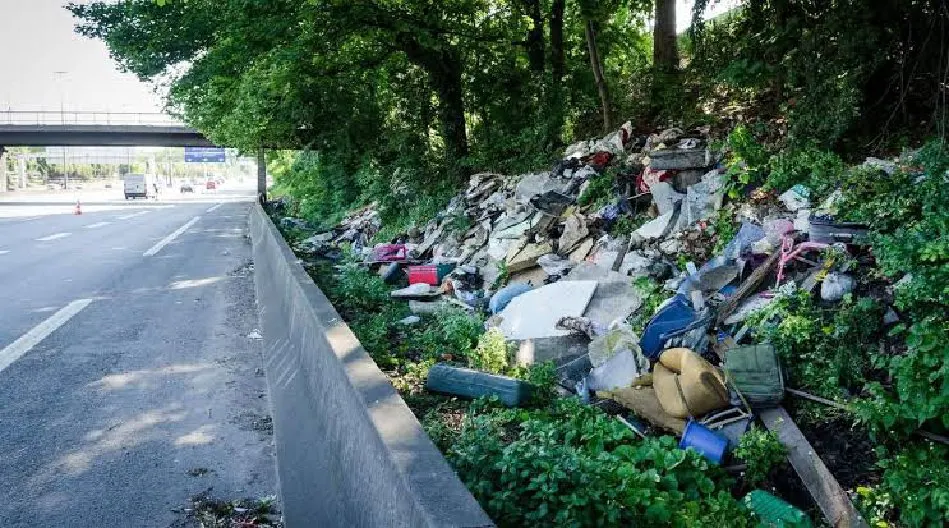
The wilaya of Tizi Ouzou in Algeria has long been grappling with significant environmental challenges, particularly with regards to waste management and illegal dumping. Despite numerous efforts to address the issue, including environmental meetings, cleanup operations, and community initiatives, the region remains plagued by widespread littering and poor sanitation. A recent tour of the area revealed the extent of the problem, with large quantities of trash and debris found along roadsides, in forests, and even in waterways.
The tour, which began in the village of Aït Abdelmoumène, revealed a disturbing scene of illegal dumping in a pristine forest area. A massive landfill, overflowing with tons of waste, had been created in the middle of the forest, reducing a section of the road to a single lane and making it difficult for vehicles to pass. Local residents and village committees have made efforts to clean up the area, but the problem persists. Furthermore, within the village itself, a nearby waste dump poses a significant health risk to residents and schoolchildren, with the presence of rodents, reptiles, and stray dogs adding to the concerns.
The issue of illegal dumping is not limited to Aït Abdelmoumène, as several other areas in the region were found to be similarly affected. In Tagmount El-Djedid, a large landfill has been created, despite the presence of warning signs prohibiting the dumping of waste. The site has become a significant fire hazard, particularly during periods of drought, due to the mixture of waste and olive oil byproducts. Additionally, in the town of Souk El-Tenine, the main road is lined with trash, and the local river, which serves as a receptacle for untreated wastewater, emits foul odors and poses a health risk to residents.
The lack of adequate waste management infrastructure in the region exacerbates the problem. The wilaya of Tizi Ouzou currently has only four operational waste disposal facilities, which are insufficient to meet the needs of the area. Two additional facilities are under development, but their implementation has been delayed due to local opposition. In the meantime, many communities are forced to transport their waste to distant facilities, which can be costly and inefficient.
Local authorities have acknowledged the severity of the situation and have called for urgent action to address the issue. Residents have expressed frustration and concern about the health impacts of the poor sanitation and have urged the authorities to take concrete steps to improve waste management in the region. The situation is further complicated by the lack of civic awareness and education about the importance of proper waste disposal.
In some areas, local leaders have taken steps to address the issue, including the implementation of cleanup initiatives and the creation of community gardens. However, these efforts are often hampered by the scale of the problem and the lack of resources. The mayor of one local commune has taken to social media to raise awareness about the issue and to urge residents to take responsibility for their waste.
The situation in Tizi Ouzou highlights the need for a comprehensive and sustainable approach to waste management in the region. This will require investment in infrastructure, education, and community engagement, as well as a commitment from local authorities to enforce regulations and promote best practices. Key points include: - The widespread nature of illegal dumping in the region - The lack of adequate waste management infrastructure - The need for a comprehensive and sustainable approach to address the issue