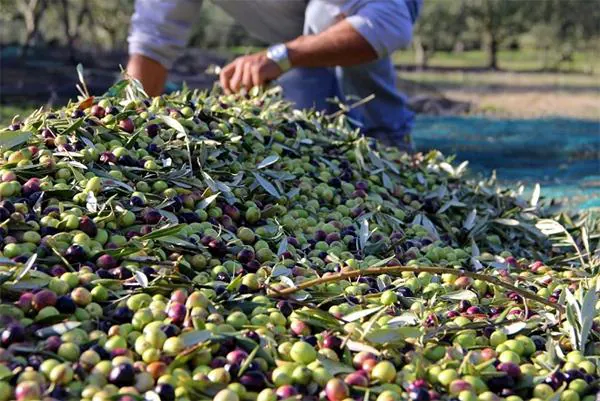
The Algerian region of Tizi Ouzou is expecting a record olive oil harvest this year, with projections of 18 million liters. This is a significant increase from last year's production of 10.3 million liters, which ranked the region second nationally, behind Béjaïa. According to Makhlouf Laib, director of agricultural services, the favorable weather conditions and absence of the olive fly have contributed to the anticipated high yield.
The olive fly, which damaged crops last year, has been largely eradicated due to cold temperatures and rainfall. This, combined with the efforts of agricultural services, has led to optimistic predictions. Laib highlights the importance of a campaign to educate olive farmers on proper pruning techniques, which has contributed to the expected high-quality harvest. The region's unique climate and soil conditions also play a role in producing high-quality olive oil.
Tizi Ouzou's olive oil is considered "typically proper to the region," with its own distinct characteristics. The dominant variety, "Chamlal," produces 28 liters of oil per quintal. The region's olive oil production process is set to gain recognition, with labeling efforts already underway. The labeling process is expected to be completed by next season, allowing for the export of high-quality, labeled olive oil.
To achieve this goal, the region has submitted a complete dossier to the Ministry, including a detailed plan. The labeling process will ensure that Tizi Ouzou's olive oil meets international standards. A campaign to encourage olive farmers to adopt biological treatments and proper harvesting and storage techniques will also be launched. This will help to improve the overall quality of the olive oil and increase its export potential.
The region has significant potential for olive oil production, with approximately 40,000 hectares of olive groves and 40.5 million trees. To maintain high-quality production, farmers will be encouraged to adopt best practices, including the use of clean and suitable storage facilities and prompt processing. The goal is to produce high-quality, extra-virgin olive oil that meets international standards.
According to Laib, the key to producing high-quality olive oil lies in the details. Factors such as malaxage time and temperature, as well as storage conditions, play a crucial role in determining the final product's quality. By adhering to these standards, Tizi Ouzou aims to establish itself as a major player in the global olive oil market.
With the anticipated record harvest and labeling efforts underway, Tizi Ouzou is poised to make a significant impact on the global olive oil market. The region's unique olive oil, combined with its commitment to quality and sustainability, is expected to attract international attention. As the harvest season begins, farmers and producers in Tizi Ouzou are optimistic about the future of their industry.
Key points
- Tizi Ouzou expects a record olive oil harvest of 18 million liters this year.
- The region's olive oil production is expected to gain recognition through labeling efforts.
- Tizi Ouzou aims to establish itself as a major player in the global olive oil market.