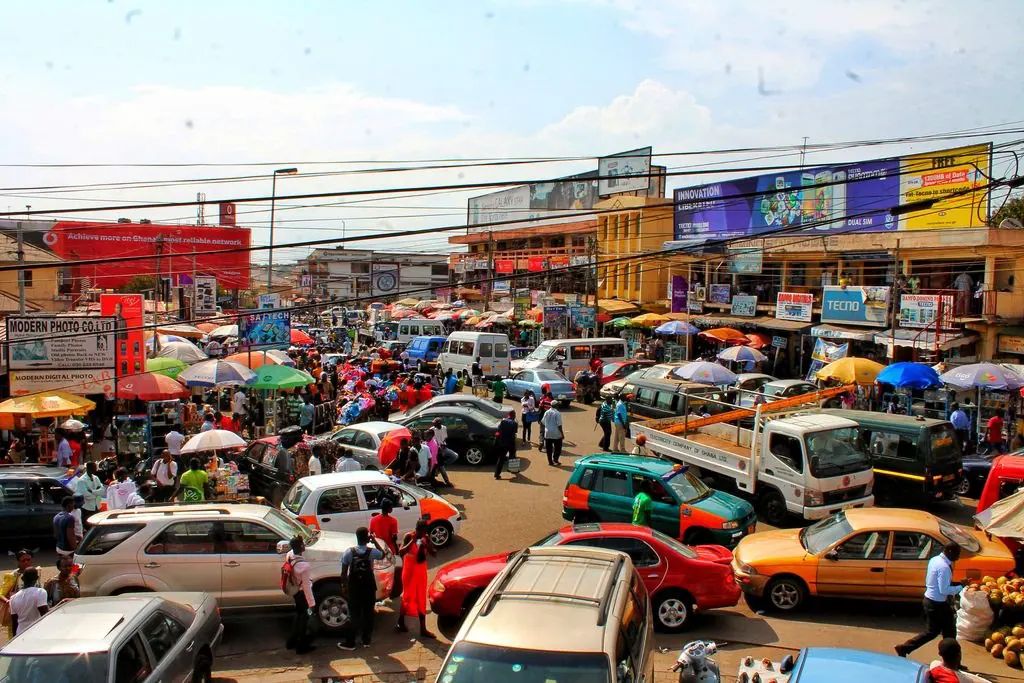
Tiptoe Lane, a 300-meter long backstreet near Kwame Nkrumah Circle in Accra's Ayawaso Central Municipality, has transformed into a thriving technology micro-market. What was once a quiet residential area known for passport photographs and travel documents is now home to phone dealers, accessory sellers, and repair technicians. The lane attracts customers, students, and traders from across the country. This transformation has been underway for over two decades, with traders and technicians adapting to the growing demand for mobile phones.
Paul Kwesi Boateng, owner of Boateng Phones and Accessories, has witnessed the change firsthand. He started selling phones on the lane over 20 years ago, when the space his shop now occupies was still someone's home. As the phone trade grew, the occupants rented the space to him, and he has paid for it annually ever since. Boateng's experience reflects a wider pattern on the lane, where residents converted living spaces into rentable shop fronts as demand for phone trading space increased.
The lane's history stretches back decades before the phone trade arrived. It has been a hub for portrait photography, theatre, and nightlife, and later a centre associated with travel-document preparation. The mobile phone boom reshaped the area into the market it is today. This long history of reinvention has left Tiptoe Lane with a reputation as a place where Accra's informal traders adapt quickly to business opportunities.
Tiptoe Lane's transformation highlights the significance of Ghana's informal technology trade. Thousands of people earn a living there as dealers, repairers, importers, parts sellers, and apprentices. The market offers entry points into work, particularly for young people, without requiring the capital or paperwork of formal electronics retail businesses.
The market also provides an accessible place for ordinary Ghanaians to buy new and used smartphones and get repairs done cheaply. This makes mobile technology more affordable and widely available than it might otherwise be. The informal market's ability to adapt and respond to demand has contributed to its success.
The future shape of Tiptoe Lane's market remains uncertain, with no indication of planned regulation, redevelopment, or formalization. No government body or municipal authority has announced a timeline for intervention in the area, leaving questions around space allocation and the composition of traders unresolved for now.
Tiptoe Lane's rise is tied to the GSM revolution, which underpinned the spread of mobile phone networks and handsets across Ghana from the mid-2000s onward. The market's growth reflects the impact of affordable handsets on small traders and the broader economy. As the technology trade continues to evolve, Tiptoe Lane is likely to remain a key player in Ghana's informal economy.
Key points
- Thousands of people earn a living in Tiptoe Lane's informal phone market.
- The market offers affordable mobile technology to ordinary Ghanaians.
- The future shape of the market remains uncertain, with no planned regulation or intervention.