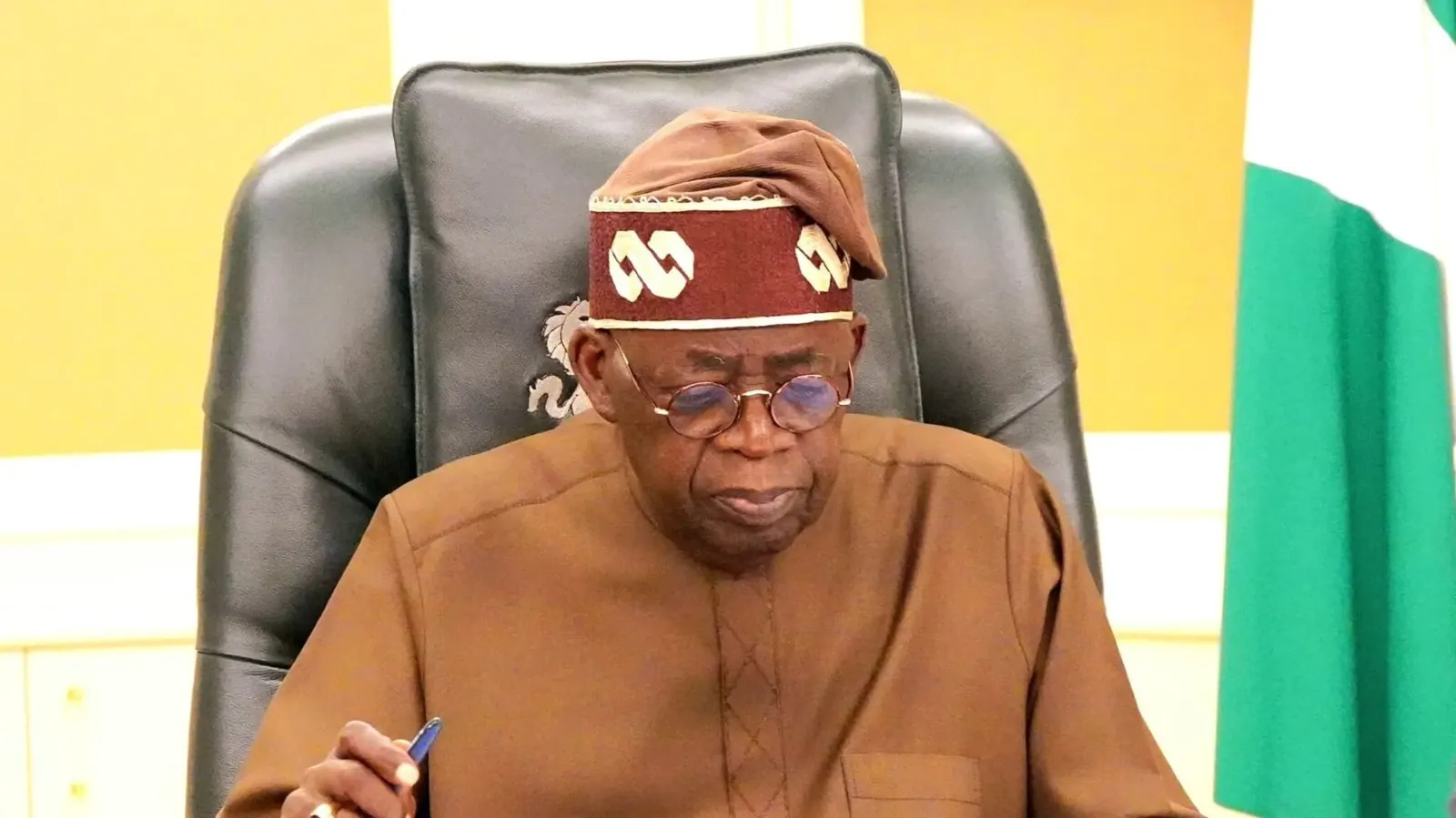
Nigeria's economic landscape has undergone significant changes under President Bola Tinubu's administration, with a focus on structural reforms such as subsidy removal and exchange rate harmonization. These reforms aim to stabilize the country's economic architecture and attract foreign capital. However, critics argue that the policies have led to a decline in the standard of living for ordinary Nigerians, with rising inflation, food, and fuel prices.
The debate on Tinubu's economic reforms centers around the trade-off between macroeconomic stability and microeconomic distress. While macroeconomic indicators may show improvement, the reality on the ground is that many Nigerians are struggling to cope with the rising cost of living. The country's economic history shows that successive governments have implemented policies that have led to higher petrol prices, often justifying them as reforms.
A review of Nigeria's economic history reveals that petrol price hikes have been a recurring feature, with each administration implementing policies that have led to increased prices. From Olusegun Obasanjo's 1978 increase to N15.37 per liter to Muhammadu Buhari's 2022 price of N185-N200 per liter, the trend has been upward. Tinubu's administration has taken the price past N600 per liter, sparking widespread criticism.
The consequences of unsubsidized livelihoods are evident across the country, with transport fares crippling workers, farmers struggling to produce and move goods, and small businesses shutting down or relocating. Families are cutting back on essentials, leading to rising malnutrition, school dropouts, and desolation in many homes. The question remains whether the monetary savings from these policies outweigh the social and economic devastation.
Experts argue that Nigeria must urgently adopt a more distributive welfarism approach, tempering capitalism with compassion. This could involve reinstating subsidies to bring petrol prices to tolerable levels or implementing significant palliatives to reverse the current economic trend. The government's response to the economic challenges facing citizens will be crucial in determining the success of its reforms.
The opposition has seized on the economic challenges facing Nigerians, with Atiku Abubakar, the former vice president, promising to restore petroleum subsidies if elected president. His promise resonates with many Nigerians who are struggling to cope with the current economic reality. The statistics on the impact of Tinubu's policies are not abstract figures but represent shattered households, collapsed businesses, and a populace struggling to survive.
As the debate on Tinubu's economic reforms continues, it is clear that the government faces a daunting task in balancing macroeconomic stability with the need to protect the welfare of its citizens. The government's ability to address the economic challenges facing Nigerians will be crucial in determining the success of its reforms and its overall governance performance.
Key points
- The removal of petroleum subsidies has led to a significant increase in the cost of living for ordinary Nigerians.
- The debate on Tinubu's economic reforms centers around the trade-off between macroeconomic stability and microeconomic distress.
- Experts argue that Nigeria must adopt a more distributive welfarism approach to temper capitalism with compassion and address the economic challenges facing citizens.