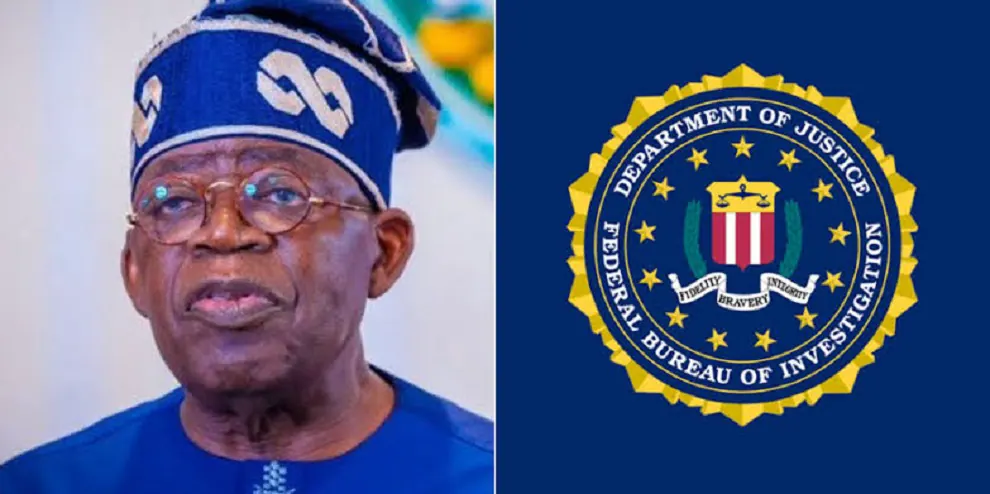
President Bola Ahmed Tinubu's lawyers have urged a federal court in Washington, D.C. to reject Aaron Greenspan's attempt to expand discovery in his Freedom of Information Act case. Greenspan operates PlainSite, a for-profit website, and has alleged that it was subjected to denial-of-service attacks. Tinubu's lawyers argue that Greenspan is trying to use the federal discovery process to investigate private individuals and organizations.
Tinubu's lawyers contend that Greenspan's proposed discovery is outside the limited scope of a FOIA action and amounts to a speculative investigation into activities by third parties. They argue that FOIA is designed to provide access to information about government activities, not to investigate private parties. Greenspan had sought interrogatories, requests for admission, and requests for production from Tinubu, as well as a third-party subpoena against DCI Group AZ, LLC.
The FBI and Drug Enforcement Administration have filed a separate reply, asking the court to grant their cross-motion for summary judgment. The agencies claim that they conducted adequate searches for records responsive to Greenspan's FOIA requests. The FBI said its search included searches using "Bola" and "Tinubu" separately, followed by a manual review of a multi-subject file.
The DEA defended its decision to withhold portions of the records under several FOIA exemptions. The agency argued that disclosure of information concerning confidential sources could reveal their identities and expose them to risks. The DEA also defended the use of Exemption 7(E), which protects certain law-enforcement techniques and procedures.
Tinubu's lawyers rejected Greenspan's attempt to link the alleged denial-of-service attacks to activity in the FOIA case, saying the alleged connection was based on speculation. They pointed out that Greenspan had not independently verified the attacks, did not know who was responsible, and had not alleged that Tinubu was behind them.
The government agencies also defended exemptions protecting personal information, confidential sources, and law-enforcement techniques. They argued that the records were law-enforcement records involving third-party criminal defendants and that the exemptions were intended to protect non-public identifying information.
Tinubu's lawyers urged the court to deny Greenspan's motion in its entirety, arguing that there was no imminent event requiring expedited discovery. The lawyers rejected Greenspan's reliance on the court's inherent authority, arguing that such authority could not override the relevance and proportionality requirements of the Federal Rules of Civil Procedure.
Key points
- President Tinubu and US agencies oppose Aaron Greenspan's bid to expand discovery in his FOIA case.
- The opposing parties argue that Greenspan's proposed discovery is outside the scope of a FOIA action and amounts to a speculative investigation.
- The FBI and DEA claim that they conducted adequate searches for records responsive to Greenspan's FOIA requests.