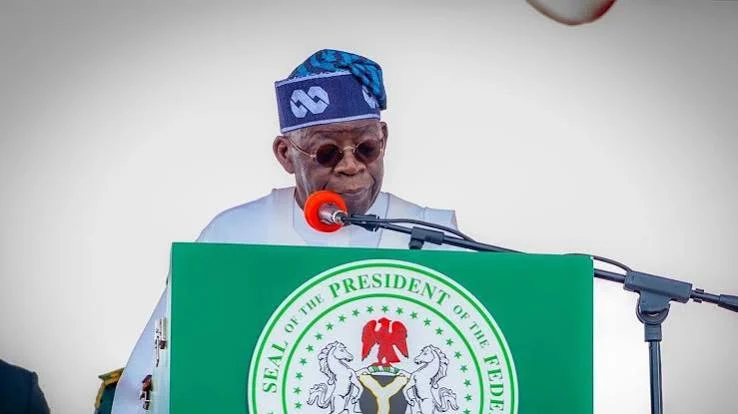
President Bola Tinubu has submitted two bills to the Senate for consideration, aiming to reform Nigeria's drug enforcement framework and enhance the investigative powers of the Nigerian Safety Investigation Bureau. The bills, the National Drug Law Enforcement Agency Bill 2026 and the Nigerian Safety Investigation Bureau Amendment Bill 2026, were forwarded to the upper chamber in separate letters addressed to the Senate President, Godswill Akpabio.
The proposed legislation seeks to consolidate existing laws on drug-related offences and reposition the NSIB as an independent, multimodal safety investigation authority with jurisdiction beyond aviation accidents. The bills were transmitted pursuant to Section 58(2) of the 1999 Constitution, as amended, which provides for the presentation of bills to the President for assent after passage by the National Assembly.
The National Drug Law Enforcement Agency Bill 2026 aims to repeal the existing NDLEA Act and the Indian Hemp Act, establishing a consolidated legal framework for combating drug-related offences. The bill seeks to strengthen enforcement against the cultivation, processing, sale, trafficking, and use of illicit drugs, while empowering the agency to investigate persons suspected of involvement in drug-related activities.
In a separate letter, Tinubu transmitted the NSIB Amendment Bill 2026, seeking changes to the legal framework governing the bureau. The proposed amendment aims to amend the Nigerian Safety Investigation Bureau (Establishment) Act No. 35 of 2022 to strengthen the bureau's independence and expand its mandate to cover accidents and incidents involving multiple modes of transportation.
The NSIB Amendment Bill 2026 will transfer supervisory oversight of the bureau to the Presidency and strengthen its institutional, operational, and administrative powers. The proposed expansion comes amid renewed attention to aviation safety following the October 5 crash of a Nigerian Air Force ATR-42 aircraft near Igbokoda in Ondo State, which reportedly killed 25 people.
The Senate has since called for a comprehensive investigation into the crash and an audit of military aircraft serviceability and maintenance funding. Tinubu urged the Senate to give the proposed legislation expeditious consideration, and Akpabio referred the bills to the Senate Committee on Rules and Business for further legislative action.
The two bills will now undergo further legislative scrutiny, with the proposed NDLEA legislation targeting a consolidated framework for drug law enforcement and the NSIB amendment seeking to broaden the scope of independent safety investigations across Nigeria's transport sector.
Key points
- President Bola Tinubu has transmitted two bills to the Senate to reform Nigeria's drug enforcement framework and enhance the investigative powers of the Nigerian Safety Investigation Bureau.
- The bills aim to consolidate existing laws on drug-related offences and reposition the NSIB as an independent, multimodal safety investigation authority.
- The proposed legislation seeks to strengthen enforcement against drug-related offences and expand the NSIB's investigative responsibilities beyond aviation to include rail, maritime, and other transport-related occurrences.