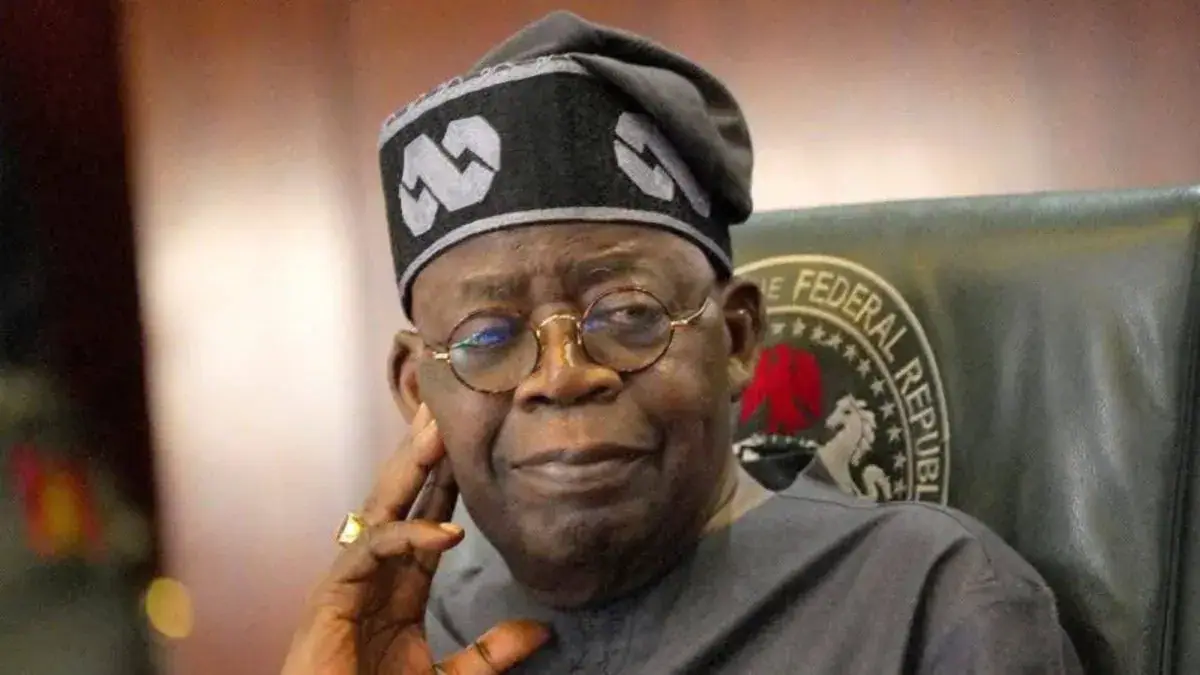
President Bola Ahmed Tinubu has requested the Nigerian Senate to approve a $7.7 billion external borrowing plan, equivalent to approximately ₦10.79 trillion. This is part of the Federal Government's 2026 borrowing plan. The request was contained in a letter dated October 26, read by Senate President Godswill Akpabio during plenary on November 4.
The proposed external borrowing is part of the ₦29.2 trillion new borrowing approved for the 2026 national budget to finance the country's budget deficit. The approved borrowing plan comprises ₦18.4 trillion in domestic borrowing and ₦10.79 trillion in external borrowing. The funds will be channelled into critical sectors of the economy, including defence and security, transportation, agriculture, power, education, and healthcare.
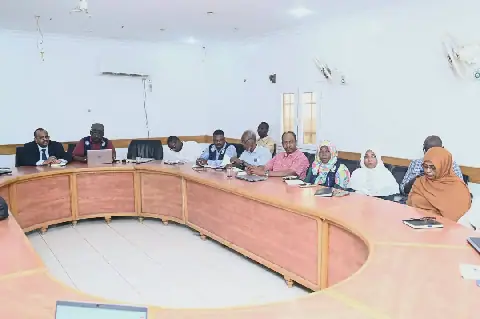
According to President Tinubu, the proposed borrowing will help strengthen Nigeria's external reserves and support the naira amid the country's economic challenges. The Senate President referred the request to the Senate Committee on Local and Foreign Debts for further legislative consideration. The committee is expected to examine the proposal before reporting back to the Senate for further action.
The latest $7.7 billion borrowing request appears to supersede an earlier external borrowing proposal of $20.52 billion and €1.045 billion, presented to the National Assembly the previous week. This development comes amid ongoing legislative efforts to introduce major constitutional and security reforms in the country.
The National Assembly has moved closer to establishing state police after 29 state Houses of Assembly endorsed the proposed constitutional amendment. Deputy Speaker of the House of Representatives, Benjamin Kalu, announced that the State Police Bill would be transmitted to President Tinubu for assent. The bill's passage is a significant milestone in the country's efforts to reform its policing system.
The State Police Bill has received the backing of 29 State Assemblies, exceeding the constitutional requirement of 24 states. Supporters of state police argue that allowing states to establish their own police formations will strengthen security at the grassroots and enable authorities to respond more effectively to threats within their jurisdictions.
However, concerns have been raised about possible political interference, funding, accountability, and the protection of citizens' fundamental rights under the proposed arrangement. The bill's transmission to the President for assent marks a crucial step in Nigeria's efforts to reform its policing system and address security challenges.
Key points
- President Tinubu requests $7.7 billion external borrowing to finance 2026 budget projects.
- The proposed borrowing plan aims to strengthen Nigeria's external reserves and support the naira.
- The National Assembly moves closer to establishing state police with 29 state Houses of Assembly endorsing the proposed constitutional amendment.