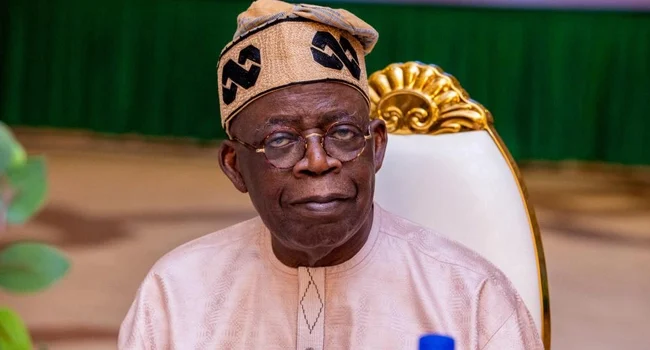
Senior lawyers in Nigeria have expressed concerns over President Bola Tinubu's extended absence from the country, which has stretched into its 30th day. The President left Abuja on August 30 for a three-week working vacation in Europe, but his return has been delayed. The Presidency announced an extension of his trip on September 21, with his return now anticipated for September 30. This prolonged absence has rekindled a familiar constitutional debate and raised questions about governance optics at a time of mounting insecurity and economic pressure.
The Labour Party (LP) and the New Nigeria Peoples Party (NNPP) have accused the National Assembly of abdicating its constitutional duty to defend the Constitution over Tinubu's refusal to hand over power after 21 days as required by law. The National Assembly is scheduled to resume on September 30, which coincides with President Tinubu's anticipated return. The Presidency has maintained that the President is hale and hearty and can preside over the country from anywhere, but senior lawyers have faulted the description of Tinubu's foreign trip as a "working vacation".
A Senior Advocate of Nigeria (SAN), Mike Ahamba, has rejected the explanation that Tinubu continued to discharge his responsibilities while away from Nigeria, saying the terminology was used to conceal what he described as the President's failure to discharge his constitutional responsibilities. Ahamba, a former presidential candidate and constitutional lawyer, told LEADERSHIP that the President could either be on vacation or performing his official functions, arguing that the expression "working vacation" is not recognised by the Constitution.
Another senior lawyer, Oladele Joseph, has stated that the controversy over President Tinubu's prolonged "working vacation" should be assessed strictly under the 1999 Constitution, not by whether the President has continued to communicate with officials or issue directives from abroad. Joseph argued that Section 145(1) of the Constitution is the key provision, which states that whenever the President is proceeding on vacation or is otherwise unable to discharge the functions of his office, he should hand over to the Vice President.
The extension of Tinubu's trip coincided with Vice President Kashim Shettima's trip to New York on September 20 to represent Nigeria at the 81st United Nations General Assembly, creating a moment when both the President and Vice President were outside the country simultaneously. This has raised concerns about the governance of the country, particularly at a time of mounting insecurity and economic pressure.
Senior lawyers have argued that the President's absence from Nigeria has constitutional implications, particularly with regards to the transfer of power to the Vice President. They have called for a strict interpretation of the Constitution, rather than relying on informal arrangements or unconventional terminology. The controversy has highlighted the need for clarity on the rules governing the President's absence from office.
The National Assembly's response to the controversy will be closely watched, particularly in light of its constitutional duty to defend the Constitution. The Assembly's inaction has been criticised by some, who argue that it has abdicated its responsibility to ensure that the President adheres to the Constitution. The President's return on September 30 is expected to bring some clarity to the situation, but the controversy has already raised important questions about the governance of Nigeria.
Key points
- The concept of "working vacation" is not recognised by the Nigerian Constitution.
- President Tinubu's prolonged absence has raised concerns about governance optics and constitutional implications.
- Senior lawyers have called for a strict interpretation of the Constitution regarding the President's absence from office.