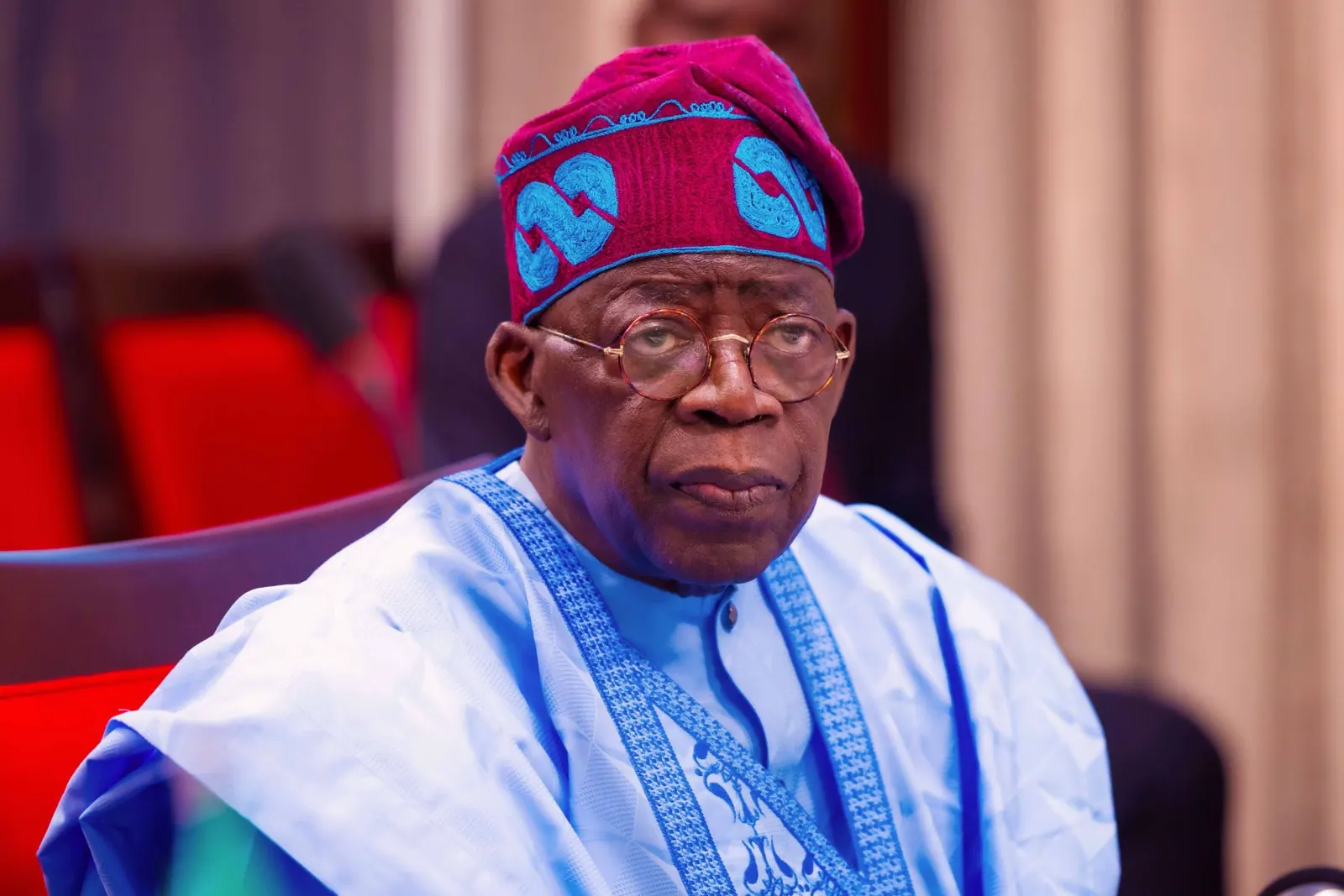
President Bola Ahmed Tinubu's prolonged stay abroad has generated debate in Nigeria regarding constitutional provisions that require the president to transfer power to the vice president if away for over 21 days or unable to discharge duties. Tinubu, who was expected to return on September 20, extended his "working vacation" by a week, with the presidency stating he would return over the weekend. However, he did not return as promised, raising concerns over the handling of his whereabouts.
The Centre for Democracy and Development (CDD) urged Nigerians to seek judicial interpretation of Tinubu's prolonged absence, citing citizens' right to challenge actions believed to violate the Constitution. Dr. Dauda Garuba, Director of CDD-West Africa, emphasized that although the president has the right to travel, he must consider constitutional provisions when determining the duration of his absence. The CDD's statement highlights the need for clarity on the president's responsibilities during extended absences.
Special Adviser to the President on Information and Strategy, Bayo Onanuga, responded to criticism, stating that Tinubu is "hale and hearty" and does not need to be physically present in Abuja to perform his duties. Onanuga cited the president's meetings with investors in France, including a $7 billion deep-sea port initiative in Ogun Waterside, as evidence of his continued work. He also noted that other African leaders, such as South Africa's President Cyril Ramaphosa and Egypt's Abdel Fattah el-Sisi, missed the UN General Assembly.
Onanuga defended Tinubu's absence, stating that he had delegated attendance to his vice president and would return to Nigeria to mark the country's 66th Independence Anniversary and attend a movie premiere in memory of MKO Abiola. While Onanuga did not provide a specific return date, sources indicated that Tinubu would return on Tuesday, having spent four weeks on his working vacation in Europe. The president's extended stay has attracted scrutiny, with many questioning the constitutional implications.
Section 145 (1) of the 1999 Constitution states that the president must transmit a written declaration to the Senate President and Speaker of the House of Representatives if he is unable to discharge his duties. If the president fails to transmit this declaration within 21 days, the National Assembly can mandate the vice president to perform presidential functions. The constitution provides a clear framework for handling presidential absences, but its implementation has been questioned in this instance.
Senate President Godswill Akpabio addressed the controversy, stating that there is "no vacancy in Aso Rock" and that Tinubu remains fully in charge despite his absence. However, former lawmaker Mark Gbillah urged the National Assembly to invoke Section 145(2) of the Constitution and mandate Vice-President Kashim Shettima to act as president if Tinubu fails to resume duties. Gbillah emphasized that the prolonged absence without an officially acknowledged transfer of presidential functions raises serious constitutional concerns.
The National Assembly's response to Tinubu's extended absence will be crucial in determining the president's constitutional obligations. As the situation unfolds, Nigerians will be watching closely to see how the government addresses concerns over the president's whereabouts and the transfer of power. The outcome will have implications for the country's governance and the interpretation of the Constitution.
Key points
- President Tinubu's extended absence has sparked debate over constitutional provisions requiring power transfer to the vice president.
- The Centre for Democracy and Development has urged Nigerians to seek judicial interpretation of the president's prolonged absence.
- The National Assembly's response will be crucial in determining the president's constitutional obligations.