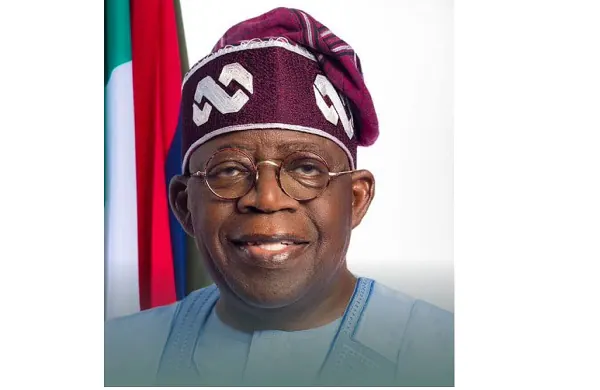
The Special Adviser to the President on Information and Strategy, Bayo Onanuga, has accused politicians criticising President Bola Ahmed Tinubu's Independence Day address of preparing their reactions before the speech was delivered. Onanuga made this statement in two posts on his verified X handle, @aonanuga1956. He highlighted what he described as "immutable truths" from the speech, particularly Tinubu's defence of his administration's economic reforms and his warning against a return to the subsidy regime.
Onanuga stated that the criticisms suggested that some of the President's opponents either did not read or properly listen to the October 1 address before issuing their responses. He said one of the key points critics appeared to ignore was the President's argument that his administration's reforms did not create Nigeria's economic weaknesses but were designed to confront them. Onanuga quoted Tinubu, saying "our reforms did not create the weaknesses in our economy. They confronted them.
In the Independence Day address, President Tinubu said Nigeria's economy had grown by more than four per cent this year, with both the oil and non-oil sectors contributing to what he described as a renewed period of stable growth. Onanuga also drew attention to Tinubu's argument that successive governments had postponed difficult economic decisions and allowed distortions in the economy to deepen. This, according to Onanuga, was a key point that critics seemed to have ignored.
Tinubu, in his address, likened the country's economic condition to that of a cancer patient faced with the choice of undergoing painful treatment with the prospect of recovery or relying on painkillers while the underlying illness continued to spread. He said previous administrations focused on the symptoms of Nigeria's economic problems while allowing deeper structural weaknesses to take hold. The President maintained that his administration decided to take a different course despite the hardship accompanying the reforms.
According to Tinubu, previous administrations spent enormous sums sustaining inefficient arrangements that were never intended to last. He said they hid from difficult truths and passed the consequences from one generation to the next. Tinubu's administration, however, chose to excise the cancer, and the reforms that followed were difficult, but necessary. The President emphasized that the economic outlook had improved after three and a half years of reforms.
The President cited economic growth, lower inflation from its peak, stronger foreign reserves, and greater stability in the foreign exchange market as evidence of the positive impact of the reforms. He also declared that the administration was moving from what he described as an "age of reform" to an "age of prosperity", with emphasis now on reducing the cost of living, creating jobs, expanding production, and ensuring that economic gains translate into improved living conditions for Nigerians.
Onanuga's statement is a response to criticisms of Tinubu's Independence Day address, which was delivered on October 1. The President's address was broadcast on network TV and radio, and his administration has been eager to defend its economic reforms in the face of criticism from opposition politicians and other stakeholders. The reforms have been accompanied by hardship, but the administration insists that they were necessary to address the country's deep-seated economic problems.
Key points
- Bayo Onanuga accuses politicians of reacting to Tinubu's speech before hearing it.
- Tinubu defends his administration's economic reforms, saying they confronted inherited weaknesses.
- The President claims economic growth and improved outlook after three and a half years of reforms.