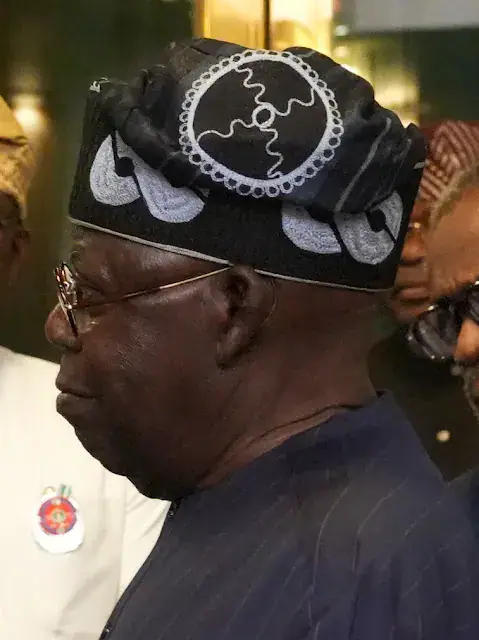
President Bola Tinubu has shared his personal story of financial struggles while studying in the United States, revealing that he drove a taxi and worked multiple jobs to fund his education. In a post on X, Tinubu discussed his experiences and how they have informed his approach to education funding. He emphasized the importance of widening educational opportunities for Nigerians who cannot afford the costs. Tinubu's remarks highlight the challenges he faced and how they have shaped his administration's policies.
Tinubu's experience of supporting himself through university has influenced his determination to increase access to education. He stated that he had to postpone starting school for several months to save enough money and worked different jobs to support himself and pay his way through university. The President acknowledged the difficulties of worrying about tuition, accommodation, and making ends meet while pursuing an education. His experiences have stayed with him, and he believes every Nigerian child deserves the same opportunity for education, regardless of their background.
The President cited the Nigerian Education Loan Fund (NELFUND) as one of the government's interventions to help students meet the cost of tertiary education. NELFUND provides interest-free loans to eligible students in public tertiary institutions, covering institutional charges and living expenses. The scheme has provided over ₦372 billion in student loans for institutional fees and upkeep, helping young Nigerians remain in school and pursue their education. This initiative aims to support students who face financial difficulties.
Tinubu also addressed the issue of students completing their degree programs on time. He emphasized that a four-year course must take four years and that young people deserve to complete their education on time and get on with their lives. The President made this statement in the context of his administration's efforts to improve the education system. He highlighted the importance of ensuring that students can complete their education without unnecessary delays.
The President outlined a ₦110 billion rehabilitation program covering 24 medical schools to address the training of healthcare workers. He reported that annual nursing enrollment had risen from 28,000 to 115,000, while the annual intake for medical and dental programs had increased from 5,000 to 12,000. Tinubu emphasized the need for Nigeria to build the capacity to train more doctors, nurses, and other healthcare professionals. The program aims to address the country's healthcare needs.
Tinubu also reported that more than one million children who had previously been outside the school system had resumed learning. He listed teacher development and wider educational opportunities for girls among the government's priorities. The President discussed changes to the national curriculum, including the restoration of Nigerian History to classroom teaching. This move aims to help children understand their country's history and take responsibility for its future.
The President invited Nigerians to examine the programs on the education portal, edu4pbat.ng, which presents an A–Z account of the Nigeria Education Sector Renewal Initiative. He asked parents, students, and teachers to identify opportunities relevant to them and report problems affecting education in their communities. Tinubu's administration is working to improve the education system and increase access to education for all Nigerians.
Key points
- President Tinubu drove a taxi and worked multiple jobs to fund his education in the US.
- The Nigerian Education Loan Fund has provided over ₦372 billion in student loans.
- The government has implemented initiatives to increase access to education, including a ₦110 billion rehabilitation program for medical schools.