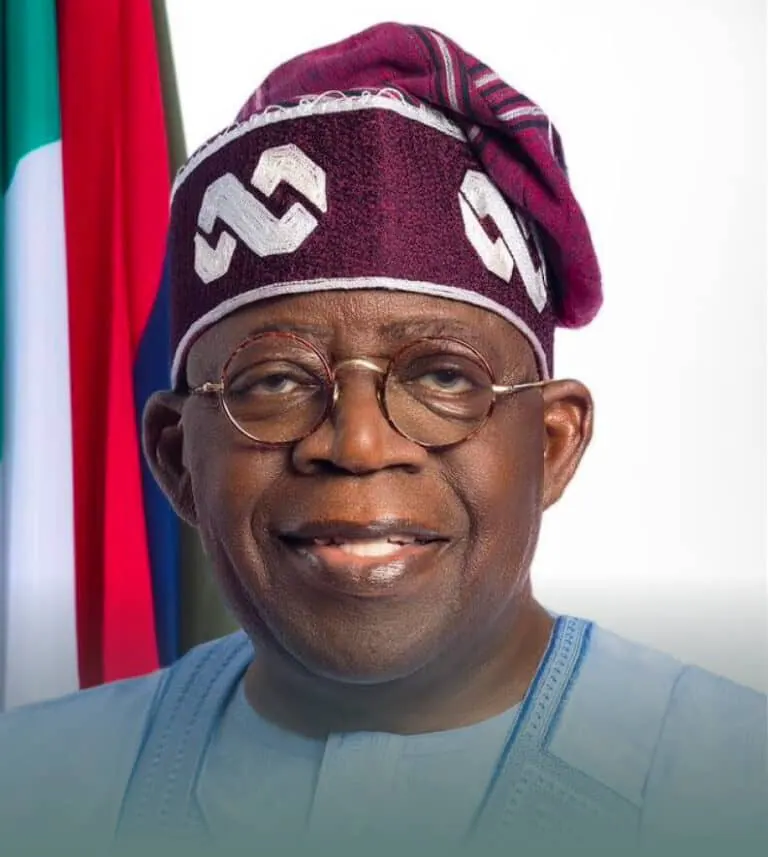
President Bola Ahmed Tinubu returned to Nigeria on October 2, 2026, after a four-week working leave in Europe. Upon his return, he addressed Nigerians on October 1 in a speech titled "From Reform to Prosperity," where he discussed the country's economic progress and future plans. Tinubu acknowledged the difficulties faced by Nigerians due to rising costs and emphasized his administration's commitment to creating a sustainable economy.
Tinubu's speech was not just a ceremonial address but a detailed explanation of his administration's efforts to reform the economy. He compared the economy to a cancer patient, stating that previous governments had opted for temporary relief instead of addressing underlying issues. His administration, he said, has chosen to implement necessary reforms, despite the challenges. Tinubu emphasized that the goal is not just to stabilize the macroeconomic environment but to create jobs, lower living costs, and increase household incomes.
The International Monetary Fund (IMF) and the World Bank have acknowledged Nigeria's progress in macroeconomic stability, but both institutions have also warned that conditions remain difficult for many Nigerians. The IMF noted that reforms have strengthened macroeconomic stability and resilience, while the World Bank stated that stabilization gains have improved fundamentals, but household incomes have yet to recover fully, and poverty remains high.
Tinubu declared that the emergency treatment phase of economic reforms is over, and the foundation has been repaired. He stated that the central task now is to achieve "shared and widespread prosperity." The administration aims to make the gains from reforms show up in markets, workplaces, farms, factories, and family budgets. Tinubu defined prosperity as farmers producing safely, factories receiving reliable power, businesses accessing credit, and young people finding productive work.
To achieve this goal, Tinubu's administration has taken steps to improve access to credit. On October 3, 2026, he announced that the National Credit Guarantee Company had helped unlock N46.95 billion in loans for 67,512 Nigerians and businesses, using N21.59 billion in guarantees. More than 22,000 beneficiaries entered the formal credit system for the first time. This move is part of the administration's effort to make the repaired macroeconomic system useful to people.
Tinubu also signed the fourth amendment to the 2025 Appropriation Act, extending implementation to December 31, 2026. The extension will give ministries, departments, and agencies more time to complete ongoing capital projects and put already appropriated funds to work without disrupting critical programs. This move is expected to make fiscal policy more visible and deliver tangible results to Nigerians.
Despite these efforts, institutions have emphasized that there is still unfinished work to be done. The World Bank notes that improved macroeconomic performance has not yet translated sufficiently into jobs and poverty reduction. Inflation must continue to fall, productivity must rise, infrastructure gaps must narrow, security must improve, and social protection must reach vulnerable households.
Key points
- President Tinubu's administration is transitioning from economic reforms to prosperity, with a focus on job creation, poverty reduction, and improved household incomes.