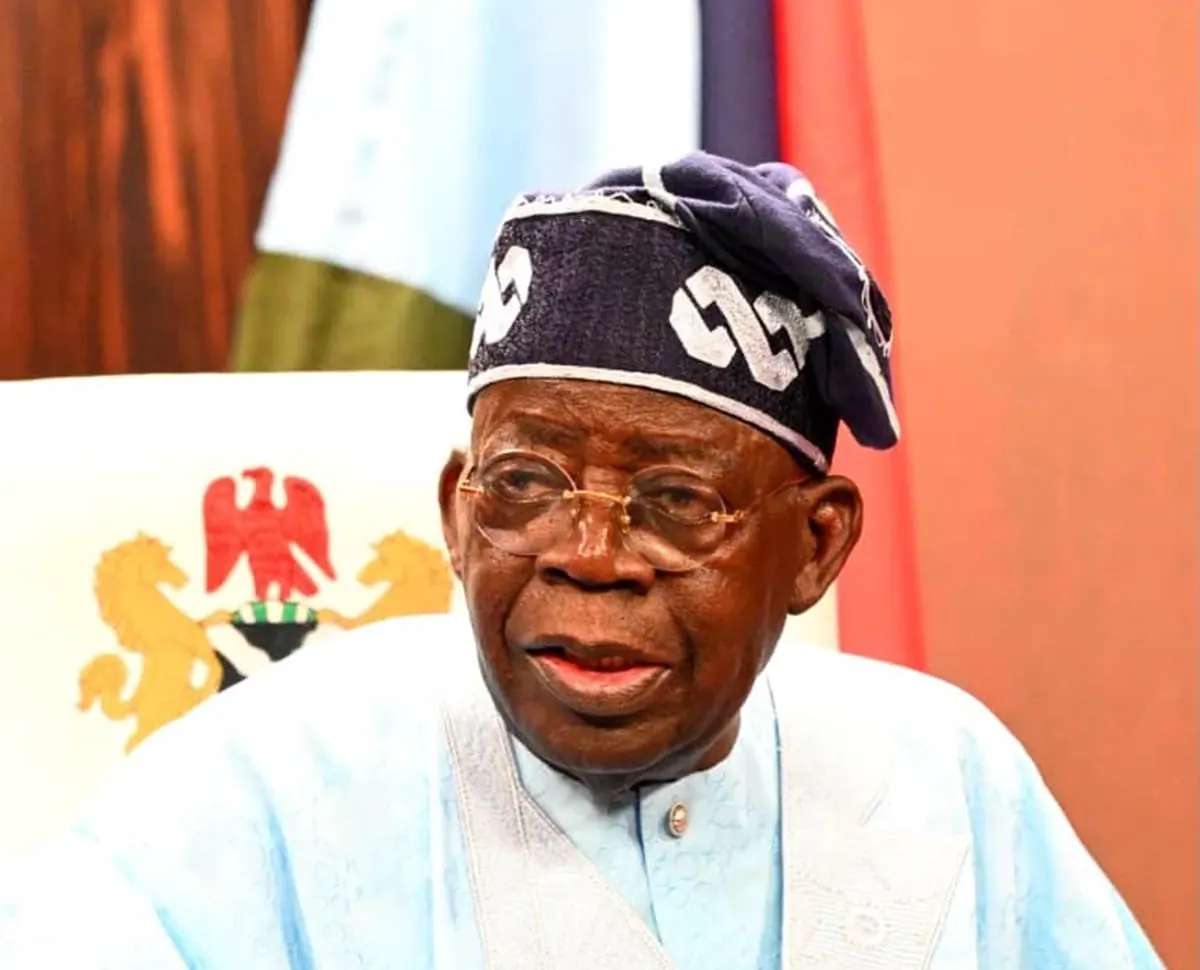
On October 1, 2023, President Bola Ahmed Tinubu delivered his Independence Day address, reflecting on Nigeria's 66-year journey since gaining independence. He highlighted the nation's potential, citing its size, resources, and cultural diversity. Tinubu acknowledged the challenges faced, including war, military rule, economic crises, and insecurity, but emphasized the resilience of the Nigerian people. He noted that despite difficulties, Nigerians have continued to believe in a better future for their country.
Tinubu discussed the economic situation inherited by his administration in 2023, describing it as dire. He used the analogy of a patient diagnosed with cancer, explaining that previous leaders had opted for palliative measures rather than addressing the root issues. His administration chose to implement reforms to tackle the economic distortions. These reforms, though difficult, aimed to set the country on a path to recovery and growth.
The President outlined the progress made since his administration assumed office. He mentioned that the economy has grown by over 4 percent, with both oil and non-oil sectors contributing to this growth. Additionally, oil theft has decreased, inflation has fallen, and foreign reserves have been rebuilt. The foreign exchange market has stabilized, and non-oil exports reached a record high of over $6 billion in 2025.
Tinubu emphasized that the focus has now shifted from emergency economic reforms to achieving shared and widespread prosperity. He defined prosperity as a situation where farmers can cultivate land safely, factories have reliable power, and young people can find productive work. The goal is to create an environment where food and transportation are affordable, and families can look forward to a better future with confidence.
A key priority for the government is to reduce the cost of living. Tinubu explained that this will be achieved by lowering production and transportation costs for goods consumed by Nigerians. The administration is focused on expanding mechanized irrigation and dry-season farming, improving access to seeds and fertilizers, and investing in storage and transportation infrastructure.
The President highlighted the importance of building and completing critical infrastructure such as roads, railways, and ports. These projects aim to connect farms and factories to markets more efficiently. By reducing costs for farmers and manufacturers, the savings are expected to be passed on to consumers, ultimately lowering the cost of goods in the market.
Tinubu concluded by emphasizing that prosperity requires not only cheaper goods but also productive work opportunities. With a young population and millions entering adulthood every year, creating a favorable business environment that fosters fair competition and job creation is crucial. The administration's efforts are geared towards fulfilling the promise of a better life for Nigerians.
Key points
- President Tinubu's administration has focused on economic reforms to address long-standing distortions and promote growth.
- Nigeria's economy has shown signs of improvement, with a growth rate of over 4 percent and increased non-oil exports.
- The government's current priority is to reduce the cost of living by improving agricultural productivity and infrastructure.