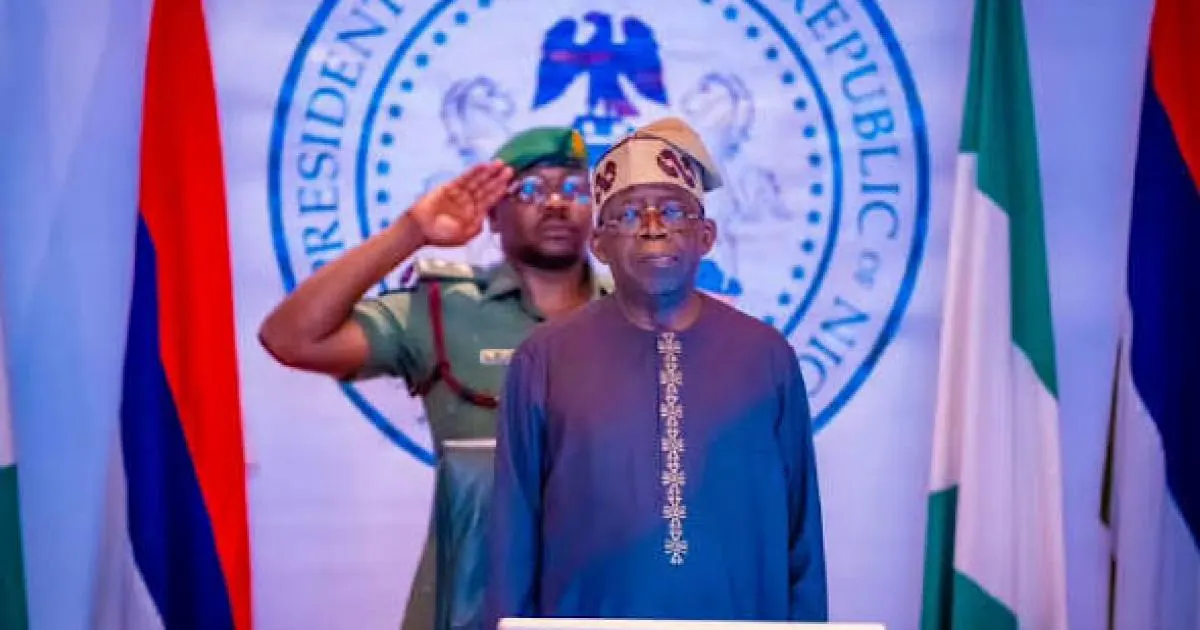
On October 1, 2026, President Bola Tinubu addressed Nigerians in a nationwide broadcast to commemorate the country's 66th Independence Day Anniversary. In his address, he acknowledged the current economic hardship faced by Nigerians and made several promises to alleviate their suffering. The President's speech was a significant event, as it marked a major milestone in Nigeria's history and provided an opportunity for the government to reflect on its progress and outline its vision for the future.
President Tinubu emphasized that his administration would focus on delivering shared and widespread prosperity, rather than just achieving bigger GDP numbers. He stated that the age of emergency reform is over and that his government would now prioritize prosperity that reaches all Nigerians. This shift in focus is expected to have a positive impact on the lives of Nigerians, particularly those who have been adversely affected by the current economic hardship.
To address the rising cost of living, President Tinubu promised to lower the cost of producing and moving goods, which would ultimately reflect in the price of food and other items in the market. He also pledged to expand mechanized irrigation and dry-season farming by investing in irrigation, improved seeds, fertilizer, full mechanization, storage, and transportation to boost food production. These initiatives are expected to increase food availability and affordability for Nigerians.
The President also emphasized the importance of critical infrastructure in linking farms to markets. He promised to build and complete roads, railways, and ports that connect farms and factories to markets, reducing losses and transport time. Additionally, he pledged to use Nigeria's gas reserves to power industries and support businesses, bringing factories back to life in industrial centers. These initiatives are expected to stimulate economic growth and create jobs.
President Tinubu also highlighted the need to expand digital connectivity and create jobs for youths. He pledged to extend digital connectivity to underserved communities, invest in skills employers need, and place jobs, enterprise, and industrial growth at the center of policy. Furthermore, he promised to strengthen direct support for the poorest households by improving the National Social Register, ensuring that palliatives and assistance reach those who genuinely need it.
The President also made commitments to sustain education and consumer credit schemes. He pledged to strengthen the Nigerian Education Loan Fund (NELFUND) to ensure that no child drops out of school due to lack of fees. Additionally, he promised to support workers' access to credit for vehicles, solar, and digital devices through CREDICORP. These initiatives are expected to improve access to education and enhance the economic well-being of Nigerians.
Finally, President Tinubu emphasized the need to defeat poverty, rather than just managing it. He stated that the objective is not to manage poverty more efficiently but to defeat it through sustained growth and the creation of millions of productive opportunities. The President's 10 key promises are expected to have a positive impact on the lives of Nigerians and drive economic growth in the country.
Key points
- President Tinubu outlines 10 key promises to alleviate economic hardship and drive growth in Nigeria.
- The President's promises focus on delivering shared prosperity, reducing the cost of living, and expanding digital connectivity.
- The initiatives are expected to stimulate economic growth, create jobs, and improve access to education and healthcare.