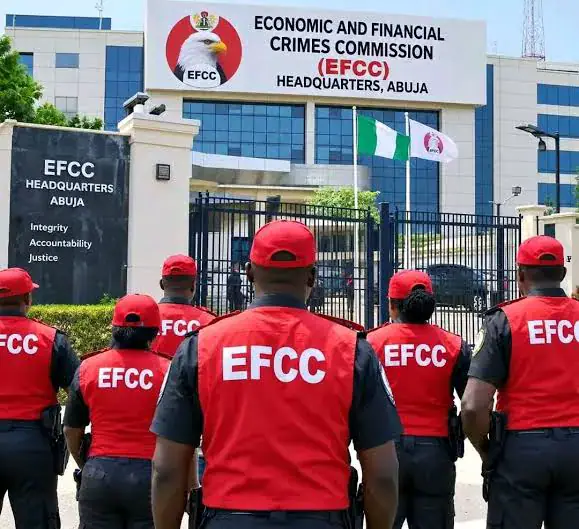
In a move aimed at enhancing transparency and accountability, President Bola Ahmed Tinubu has approved the Economic and Financial Crimes Commission's (EFCC) involvement in monitoring the finances of Nigeria's 36 states and 774 local governments. This decision, reported by TVC News on October 29, 2026, is based on a BusinessDay report. The EFCC's role will involve tracking the allocation and expenditure of funds from the Federation Account Allocation Committee (FAAC).
The proposed monitoring system will scrutinize the disbursement and utilization of funds, assess the implementation of projects financed by government funds, and investigate allegations of financial malfeasance or other financial crimes. The EFCC will also examine contracts suspected of irregularities, ghost workers, and public complaints regarding misappropriation. This initiative aims to ensure that government funds are used for their intended purposes.
The EFCC will collaborate with other government agencies, including the Office of the Accountant General of the Federation, the Federal Ministry of Finance, the Central Bank of Nigeria (CBN), and the Independent Corrupt Practices and Other Related Offences Commission (ICPC). However, the report did not provide details on the exact implementation plan, the legislation guiding it, or the commencement date.
This development comes amid ongoing scrutiny of state and local government expenditures. It follows a July 2024 Supreme Court judgment affirming the right of local governments to receive their allocations directly from the Federation Account. The new measure is expected to increase scrutiny of fund utilization and potentially lead to investigations and prosecutions of those suspected of financial crimes.
The President's directive is seen as a significant step towards promoting fiscal transparency and accountability in the management of public funds. By involving the EFCC in the monitoring process, the government aims to prevent financial mismanagement and ensure that funds are used for the intended development projects.
The EFCC's expanded role in monitoring state and local government finances is also expected to enhance public trust in government operations. The Commission's expertise in investigating financial crimes will be crucial in identifying and addressing irregularities in fund utilization.
The implementation of this new monitoring system will be closely watched by stakeholders, including civil society organizations, the media, and the general public. Its success will depend on the effective collaboration between the EFCC and other government agencies, as well as the commitment to transparency and accountability in the management of public funds.
Key points
- President Tinubu has authorized the EFCC to monitor the finances of Nigeria's states and local governments to enhance transparency and accountability.