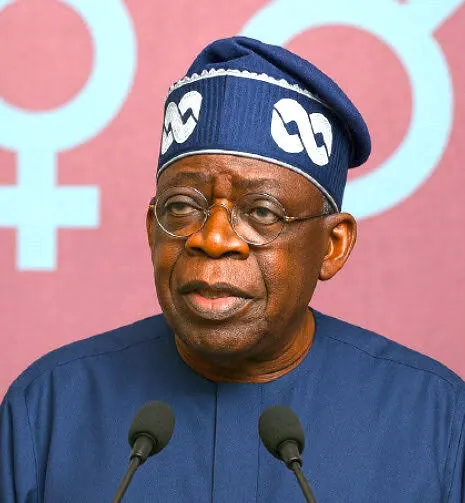
President Bola Ahmed Tinubu has directed states to accelerate the implementation of the National Affordable CNG Transit Programme, aiming to reduce transportation costs for Nigerians. The directive follows his meeting with the 36 state governors on August 27, where they agreed to explore cheaper energy alternatives. An implementation committee, chaired by Kwara State Governor AbdulRahman AbdulRazaq, has been established to identify priority transport corridors and determine interventions.
The President emphasized the urgency of the programme amid the global energy crisis, highlighting Nigeria's abundant gas resources as a means to reduce exposure to market disruptions. Existing initiatives in several states demonstrate that cheaper energy can lead to lower transport fares. For example, in Borno, CNG-powered public transport services charge between ₦50 and ₦100, compared to ₦300-₦600 by commercial operators.
Tinubu cited successful implementations in various states, including Kaduna, where 100 CNG-powered buses provided free transportation on major routes, carrying 3.2 million passengers and saving ₦3.5 billion in transport costs. In Oyo State, CNG buses reduced the Lagos-Ibadan fare from ₦8,000 to ₦3,200. Similar reductions were reported in Adamawa, Enugu, and Plateau states.
The President also mentioned the Federal Government's partnership with the National Union of Road Transport Workers, resulting in fare reductions for passengers using CNG-converted commercial vehicles on Abuja routes. Fares from Area 1 to Gwagwalada fell from ₦1,500 to ₦900, and from Nyanya to ₦420.
Tinubu commended governors and state governments that have quickly implemented the programme but urged all states to expand it. He noted that disruptions to global energy supplies are pressuring petrol and diesel prices, increasing transportation costs worldwide.
The President stated that his administration has invested in building a CNG transportation ecosystem over the past three years, with over 120,000 vehicles converted to CNG and more than 400 certified conversion centres and 90 CNG refuelling stations operating nationwide.
Tinubu rejected calls for a return to the petrol subsidy regime, describing it as unsustainable. He emphasized that Nigeria can reduce its exposure to global energy market disruptions by leveraging its abundant gas resources, and that more Nigerians will experience measurable reductions in transportation costs from October 1.
Key points
- President Tinubu directs states to accelerate the National Affordable CNG Transit Programme to reduce transportation costs.
- Existing initiatives in several states demonstrate that cheaper energy can lead to lower transport fares.
- The President rejects calls for a return to the petrol subsidy regime, citing its unsustainability.