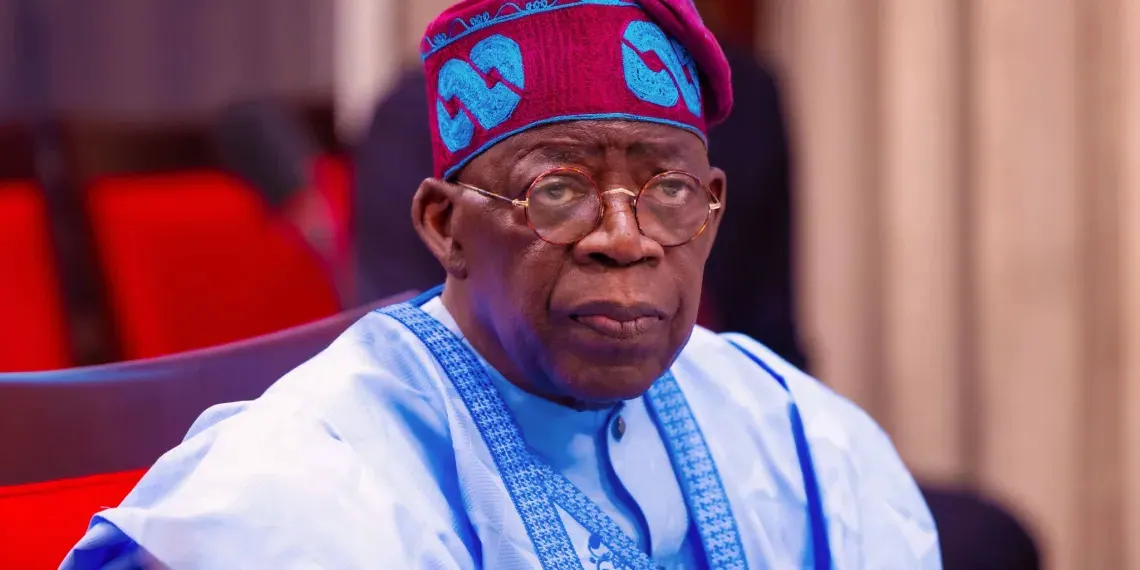
On Thursday, President Bola Tinubu delivered a nationwide broadcast on the occasion of Nigeria's 66th independence anniversary, highlighting his administration's economic achievements. He emphasized that tough reforms have begun to positively impact the economy. According to Mr. Tinubu, the Nigerian economy has grown by over 4 percent, with both oil and non-oil sectors contributing to the renewed period of stable growth. He attributed this growth to his administration's decision to confront and address the root causes of economic challenges rather than adopting palliative measures.
President Tinubu pointed out that his administration has implemented various economic reforms since taking office. These reforms have led to a significant reduction in oil theft, a decrease in inflation, and an increase in foreign reserves. He noted that the government's efforts have resulted in record non-oil revenue of over $6 billion in 2025 and stabilization of the foreign exchange market. Nigeria's foreign exchange reserves have recently surpassed $55 billion, a peak in nearly two decades, following a series of reforms introduced to strengthen the FX market.
The president's assertions were corroborated by international ratings agency Moody's, which upgraded its outlook for Nigeria to "positive" from "stable" in response to the country's stronger external position, notably its FX reserves. Mr. Tinubu stated that foreign observers, NGOs, journalists, and multilateral institutions have acknowledged that the reforms have helped build resilience and stability in the economy. He added that the private sector has deepened growth while foreign direct investment has been growing.
During his address, President Tinubu emphasized that the economy is now on a sound footing, and the purpose of his administration is now "shared and widespread prosperity." He aspires to a Nigeria where farmers can cultivate and produce at lower cost and earn a decent return for labor, where factories can operate with a stable electricity supply, and businesses can access credit. The president stated that the focus will shift to cutting the cost of living by reducing production costs and "moving the things Nigerians consume."
Despite the positive outlook, recent economic data indicates that headline inflation only slightly improved in August, edging down to 15.39 percent from 15.43 percent, according to the National Bureau of Statistics. The government's decision to abolish costly petrol subsidies in May 2023, although viewed as investor-friendly and a relief for public finances, has put substantial pressure on the cost of living, with energy, transportation, and food costs not at unusually elevated levels.
In its interest rate decision last week, the Central Bank of Nigeria's monetary policy committee cut the reference rate by as much as 3.5 percent, citing a divergence in market rates. The expansionary stance is expected to deepen growth, at least in the near term. President Tinubu's administration has chosen to address the root causes of economic challenges rather than adopt palliative measures, a strategy he believes will lead to sustainable economic growth and stability.
As Nigeria marks another independence anniversary, President Tinubu's address reflects his administration's commitment to economic reforms and growth. The president's emphasis on shared and widespread prosperity suggests a renewed focus on improving the standard of living for Nigerians. With the economy growing by over 4 percent and foreign reserves reaching a peak in nearly two decades, the administration appears to be making progress toward its economic goals.
Key points
- President Tinubu highlights Nigeria's economic growth of over 4 percent and reduction in oil theft.
- Nigeria's foreign exchange reserves have surpassed $55 billion, a peak in nearly two decades.
- The administration aims to cut the cost of living by reducing production costs and increasing access to credit for businesses.