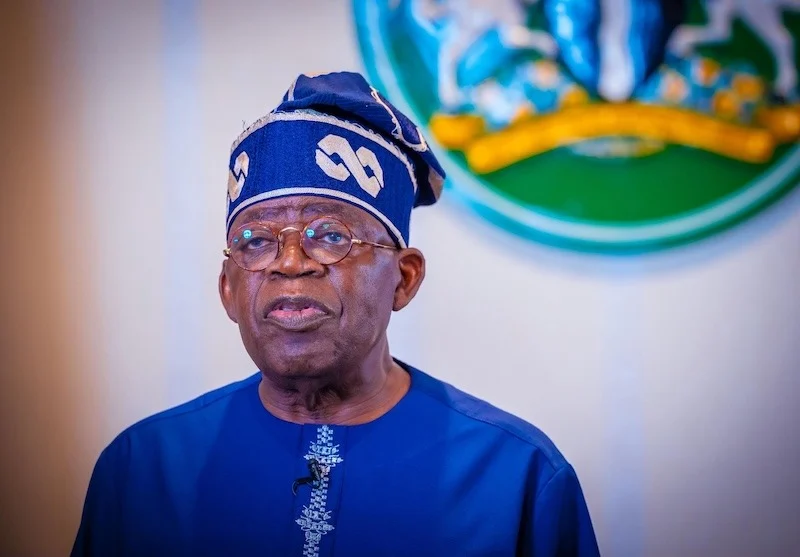
On October 1, 2026, President Bola Tinubu addressed the nation on Nigeria's 66th Independence Day anniversary, declaring that reducing the cost of living is now the top priority of his administration. Tinubu stated that the government will focus on lowering the cost of producing and moving goods to make life more affordable for Nigerians. He emphasized that his administration has spent the past three years correcting the country's economic course and is now shifting its focus to "shared and widespread prosperity."
Tinubu explained that Nigeria's economic reforms were necessary due to deep-seated economic distortions that had grown over time. He used the analogy of a cancer patient to describe the situation, stating that previous administrations had treated the symptoms of Nigeria's economic problems rather than addressing their underlying causes. The President said his administration had chosen to "excise the cancer," acknowledging that the reforms had been difficult and that "the side effects were real."
The President highlighted the progress made by his administration, citing a 4% economic growth in 2026, with both oil and non-oil sectors contributing to stable growth. He also mentioned that oil theft had fallen, inflation had declined substantially from its peak, foreign reserves had been rebuilt, and the foreign exchange market had stabilised. Additionally, Tinubu stated that Nigeria recorded its highest-ever non-oil export revenue in 2025, exceeding $6bn.
Tinubu emphasized that the next phase of his administration would focus on ensuring that economic improvements translate into better living conditions for Nigerians. He stated that reducing the cost of living would require lowering the cost of production across agriculture, manufacturing, and transportation. The President mentioned that the government would achieve this by expanding mechanized irrigation and dry-season farming, improving access to seeds and fertilizer, increasing mechanization, and investing in storage and transportation.
The President acknowledged that millions of Nigerians still faced difficulties meeting basic needs, including food, school fees, medical bills, and transportation costs. He attributed these challenges to problems that had accumulated over decades, stating that "we cannot erase in four years what accumulated over generations." Tinubu emphasized that the government would strengthen direct support for the poorest households and improve the National Social Register to ensure that assistance reached people who genuinely needed it.
Tinubu outlined his administration's plans to create jobs and stimulate industrial growth, particularly as millions of young Nigerians enter adulthood each year. He stated that the government would use Nigeria's gas resources to power new industries, support businesses seeking to revive factories in industrial centers, expand digital connectivity, and invest in skills demanded by employers. The President expressed his desire to see more Nigerians engaged in productive activities, such as manufacturing, farming, and entrepreneurship.
The President concluded by emphasizing that his administration's objective is not to manage poverty more efficiently but to defeat it. He cited initiatives such as the Nigerian Education Loan Fund and the Consumer Credit Corporation, which aim to provide access to education and credit for low-income households and working Nigerians, respectively. Tinubu reaffirmed his commitment to strengthening essential public services, including primary healthcare and basic education, and ensuring that salaries and pensions are paid on time and in full.
Key points
- President Tinubu's administration will prioritize reducing the cost of living by lowering the cost of producing and moving goods.
- The government aims to achieve this through initiatives such as expanding mechanized irrigation and dry-season farming, improving access to seeds and fertilizer, and investing in storage and transportation.
- Tinubu emphasized that his administration's objective is not to manage poverty more efficiently but to defeat it through job creation, industrial growth, and social support programs.