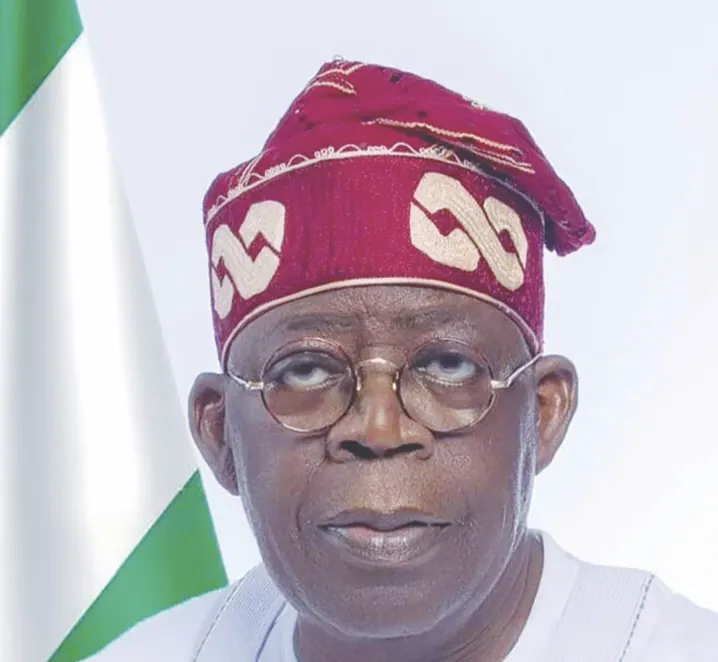
President Bola Tinubu has called for a fresh continental push to end the historical exploitation of Africa's critical mineral resources. He urged African nations to unite and halt the export of raw materials, instead transitioning to a hub for local processing, manufacturing, and value addition. This call was made during the Africa Minerals Stategy Group (AMSG) High-level Roundtable on Critical Minerals Development in Africa, held on the sidelines of the 81st Session of the United Nations General Assembly (UNGA) in New York.
The high-level dialogue, themed "From Resources to Wealth: Continental Cooperation for Mineral Value Addition, Data Sovereignty, Innovative Financing and Critical Minerals Security," focused on transforming the continent's mineral wealth into sustainable economic growth. Tinubu, represented by Vice President Kashim Shettima, emphasized that Africa cannot claim to be wealthy while its children wallow in poverty amid mines that enrich the world. He stressed that the future being fashioned from African minerals must have room for African ambition.
Tinubu regretted that mineral-rich communities lack infrastructure, jobs, and a stake in their own wealth, despite the global demand for clean energy, AI, and advanced manufacturing making Africa's critical minerals indispensable to global supply chains and economic security. He observed that the answer to such deprivation must be processing, refining, batteries, components, African technologies, and competitive skills. The President noted that the worth of a mine must be counted in the lives it improves.
Tinubu emphasized that jobs, industries, infrastructure, technology transfer, African enterprise participation, and prosperity retained across generations must measure progress from resources to wealth. He warned that no African country can achieve this alone and that competing through lower royalties, weaker local content, and excessive concessions will only weaken the continent's negotiating power. Instead, cooperation gives markets scale, industries integration, financing reach, and negotiations authority.
The President noted that Nigeria must require local value addition for new mining licenses, strengthen geological data and investor access, organize artisanal miners into cooperatives, combat illegal mining, and improve regulatory accountability. He highlighted that revenue from mining has risen from approximately N6 billion in 2023 to over N38 billion. This increase demonstrates the potential for growth and development in the sector.
Tinubu's call for African unity and cooperation in the mining sector is a significant step towards protecting the continent's mineral wealth. The President's emphasis on local processing, manufacturing, and value addition is expected to create jobs, stimulate economic growth, and ensure that Africa benefits from its natural resources. The Africa Minerals Stategy Group (AMSG) High-level Roundtable provided a platform for African leaders and stakeholders to discuss the challenges and opportunities in the sector.
The implementation of Tinubu's proposals is expected to have a positive impact on the lives of Africans, particularly in mineral-rich communities. By prioritizing local value addition, job creation, and infrastructure development, the continent can harness its mineral wealth to drive sustainable economic growth and development. The President's commitment to reforming the mining sector and promoting cooperation among African countries is a step towards achieving this goal.
Key points
- President Tinubu urges African nations to unite and halt the export of raw materials to protect the continent's mineral wealth.
- The President emphasizes the need for local processing, manufacturing, and value addition to create jobs and stimulate economic growth.
- Nigeria has seen a significant increase in mining revenue, from N6 billion in 2023 to over N38 billion.