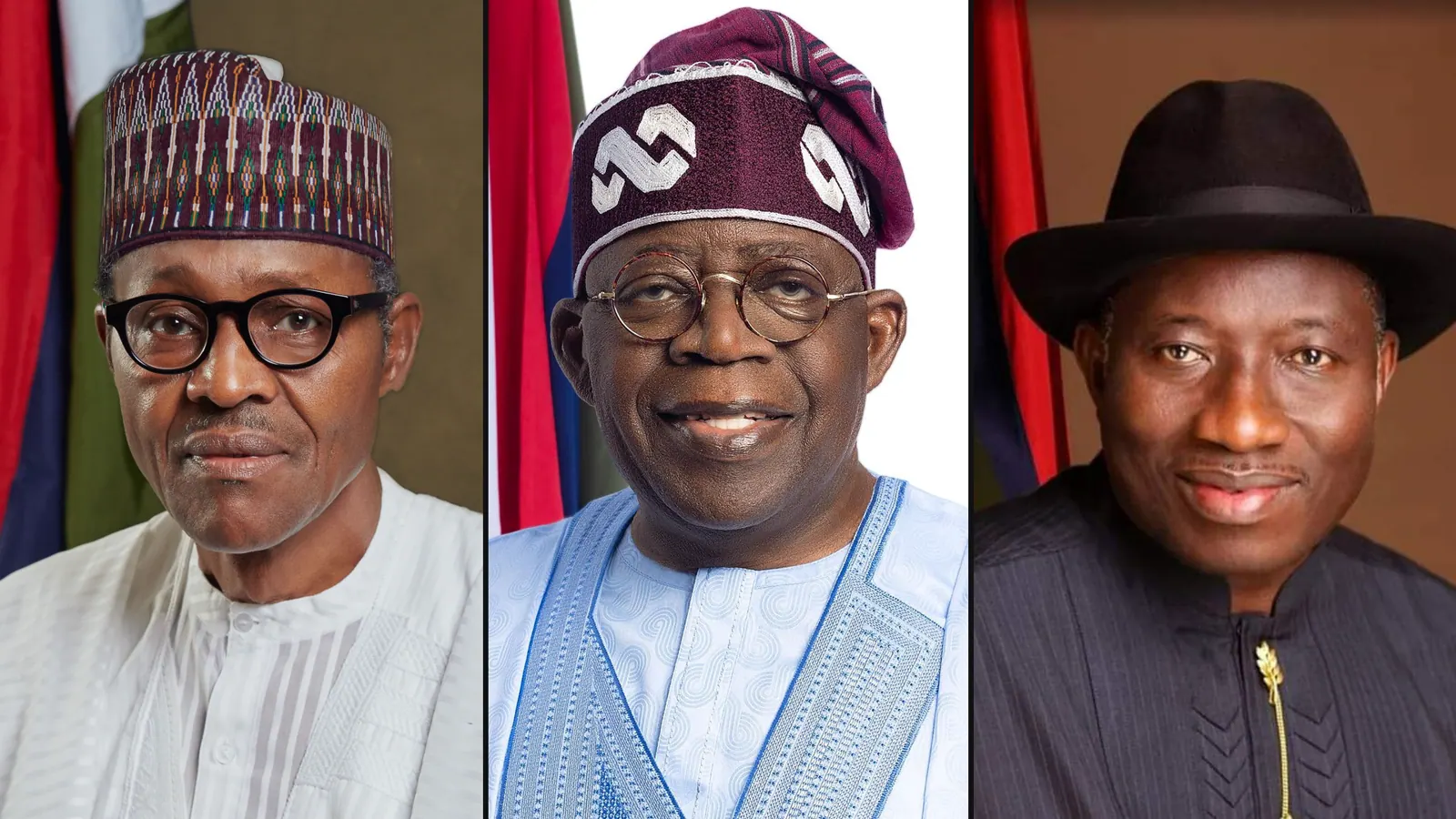
On Thursday, President Bola Tinubu addressed Nigerians on the country's Independence Day, defending the economic reforms introduced by his administration. He blamed his predecessors for failing to take tough decisions, which worsened Nigeria's economic situation. Tinubu's address was his fourth since assuming office in May 2023. He emphasized that his administration had to take difficult measures to stabilize the economy, despite the immediate hardship caused. The president's remarks were part of his efforts to justify the removal of petrol subsidy and the unification of the foreign exchange market.
According to Tinubu, his administration inherited an economy burdened by an unsustainable petrol subsidy regime and an opaque foreign exchange market. He stated that the government had no choice but to act, as poverty was rising and hope was nearly gone by 2023. The country's situation was darker than ever, with deep economic distortions that had grown over time. Tinubu's administration removed the petrol subsidy on May 29, 2023, and the Central Bank of Nigeria collapsed the country's multiple official foreign exchange windows into the Investors and Exporters window.
Previous administrations, including those of Goodluck Jonathan and the late Muhammadu Buhari, had attempted to reform or remove petrol subsidies but were reversed or abandoned amid strong public opposition. Jonathan's 2012 attempt was followed by nationwide protests, while the Buhari administration reinstated subsidy payments after initially removing them. Tinubu's administration, however, has repeatedly defended the removal of petrol subsidy and the liberalization of the foreign exchange market as necessary to address longstanding distortions in the economy.
The reforms introduced by Tinubu's administration triggered sharp increases in petrol prices and a significant depreciation of the naira, contributing to higher transportation, food, and production costs. This led to Nigeria's worst cost-of-living crisis in a generation. Despite this, the International Monetary Fund noted in 2026 that Nigeria's reforms had improved macroeconomic outcomes and strengthened resilience, although poverty remained high and living conditions remained difficult for many Nigerians.
Tinubu stated that the resources previously spent on petrol subsidies were being redirected towards development priorities, including education, healthcare, security, agriculture, and infrastructure. He also said the reforms had created more fiscal space for the federal, state, and local governments to address development needs. The president's argument echoes his administration's longstanding position that maintaining the old subsidy and foreign exchange regimes would have imposed greater costs on the country.
In May, Tinubu said Nigeria had been spending as much as N18.4 billion daily to sustain petrol subsidies at their peak, with more than N4 trillion spent in 2022 alone. He also said multiple exchange rates and forex arbitrage had cost the country more than N8 trillion over three years. The government has faced questions over how the savings from the reforms have been used, with Finance Minister Taiwo Oyedele stating in July that the savings had largely gone into debt servicing, higher public-sector wages, student loans, and other government obligations.
Tinubu urged Nigerians to continue supporting the reforms, saying they were necessary to address the country's infrastructure deficit and create the conditions for long-term economic growth. He said the government was using the additional resources to fund roads, power, broadband infrastructure, and social investment programs, alongside spending on education, healthcare, and national security. The president's address aimed to justify the tough decisions made by his administration and to garner support for the ongoing reforms.
Key points
- President Tinubu blames predecessors for failing to take tough decisions on economic reforms.
- Tinubu's administration has defended the removal of petrol subsidy and unification of the foreign exchange market.
- The reforms have created more fiscal space for development priorities, but the government faces questions over the use of savings.