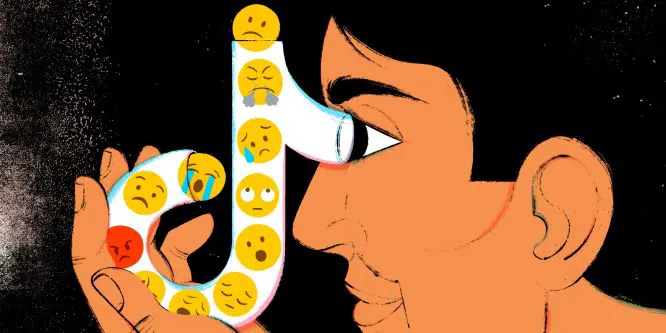
TikTok, the social media platform beloved by teenagers, marked its 10th anniversary on September 20. The occasion is notable not only for the platform's immense popularity but also for the controversies that have made it a target for regulators in the US and Europe. The platform has been criticized for its alleged failure to protect minors, with some lawmakers describing it as a threat to democracy.
The scrutiny of TikTok intensified recently when French deputy Laure Miller, who heads an inquiry into the psychological effects of TikTok on minors, grilled the platform's representatives for over three hours. Miller expressed frustration and disappointment, questioning why TikTok does not take concrete steps to protect young users. Her concerns reflect a broader sentiment among regulators worldwide who view TikTok with suspicion.
The origins of TikTok have contributed to the skepticism surrounding it. The platform was created by Zhang Yiming, who founded ByteDance, a mobile app startup, in 2012. Initially, ByteDance launched Douyin, a video-sharing service that later became TikTok. The company acquired Musical.ly, a popular social media app, and merged it with TikTok, paving the way for the platform's rapid growth.
TikTok's popularity has been particularly pronounced among adolescents, and this has raised concerns about its impact on young users. Regulators have accused the platform of spreading harmful content and failing to protect minors from online risks. Some have even likened TikTok to a "digital fentanyl" or a "pistolet pointé sur la tête des Américains," highlighting the severity of their concerns.
The criticism of TikTok has been fueled by its Chinese origins, with some lawmakers viewing it as a potential threat to national security. The platform's ties to ByteDance, a Chinese company, have raised questions about data protection and censorship. As a result, regulators have been calling for greater transparency and accountability from TikTok.
In response to the criticism, TikTok has taken steps to address concerns about its impact on minors and democracy. The platform has introduced new features and policies aimed at protecting young users and promoting online safety. However, regulators remain vigilant, and the platform continues to face intense scrutiny.
As TikTok looks to the future, it faces significant challenges in navigating the complex regulatory landscape. The platform must balance its growth and innovation with the need to address concerns about its impact on society. With regulators worldwide watching closely, TikTok's next steps will be crucial in determining its future success.
Key points
- TikTok faces intense scrutiny from regulators globally over concerns about its impact on minors and democracy.
- The platform's Chinese origins have contributed to the skepticism surrounding it.
- TikTok has taken steps to address concerns about its impact on minors and democracy, but regulators remain vigilant.