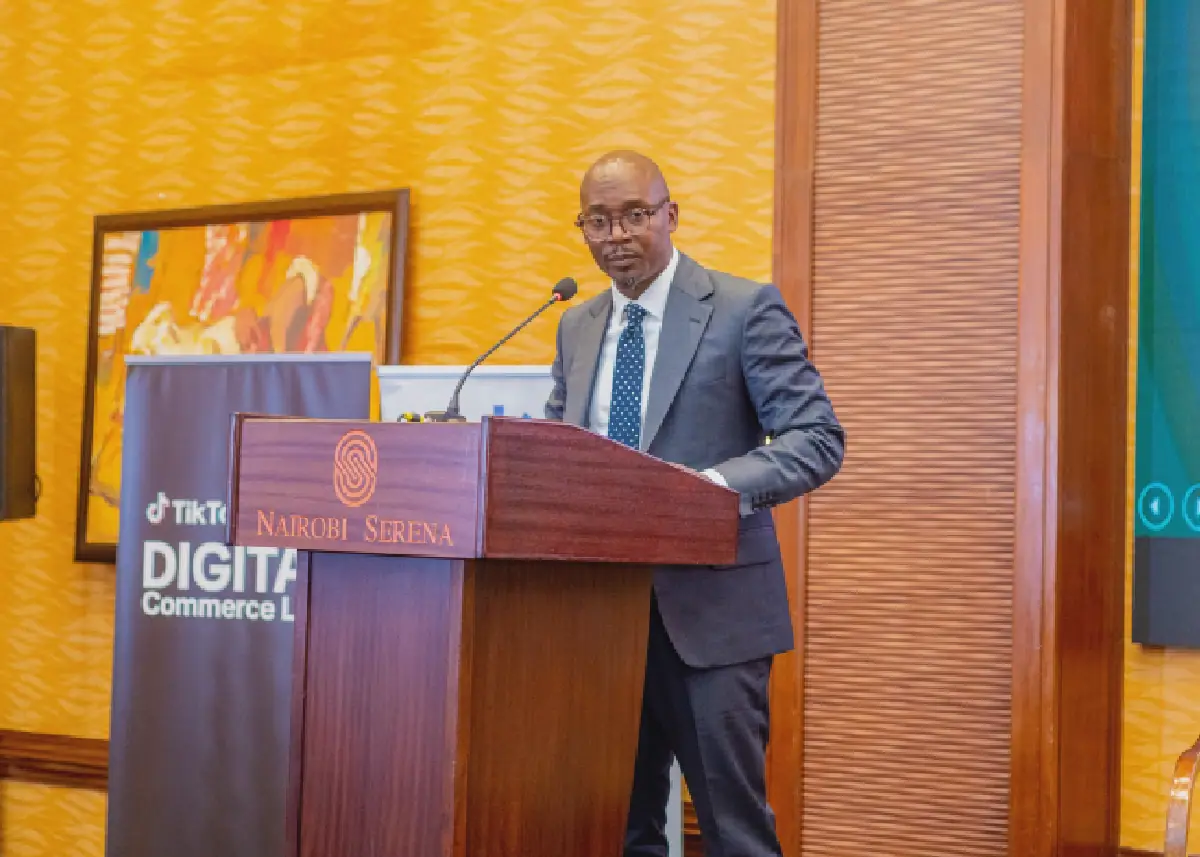
TikTok and the International Chamber of Commerce (ICC) have introduced the Digital Commerce Labs (DCL) in Kenya, a training initiative aimed at empowering small businesses to convert their social media presence into commercial opportunities. The program was launched in Nairobi on November 18, bringing together entrepreneurs, creators, business associations, and industry representatives. This initiative is part of a broader program targeting thousands of small businesses across Sub-Saharan Africa, Latin America, and Southeast Asia.
The DCL program combines in-person community events, self-paced online learning modules, and virtual classrooms to provide comprehensive training. The curriculum covers building a digital presence, creating effective content, using AI-powered e-commerce tools, and preparing businesses to expand into domestic and international markets. The program is free and delivered through a mobile-first learning platform, focusing on helping businesses understand how to use digital platforms beyond posting content and attracting followers.
According to a GSMA survey on e-commerce in Africa, 49% of Kenyan businesses selling online rely exclusively on social media, while another 13% combine social media with websites or online marketplaces. TikTok's Director of Government Relations and Public Policy for Sub-Saharan Africa, Rishon Chimboza, emphasized that small businesses need more than just access to platforms; they require tools and skills to turn online engagement into meaningful business growth.
The partnership between TikTok and ICC brings together the platform's experience, reach, and understanding of digital audiences, along with ICC's business education resources, trade expertise, and network of chambers and organizations. ICC's Innovation Labs Lead, Charly Gordon, noted that the challenge is not accessing solutions, but unlocking their full potential and using them effectively to grow a business.
Government representatives have welcomed the initiative but stressed that digital training must translate into tangible business results. Dennis Itumbi, Head of Presidential Special Projects and Creative Economy Coordination, cautioned that the program's success should be measured through increased business income and sustainable enterprises. He also called for intellectual property protection to be included in digital commerce training and challenged TikTok to introduce TikTok Shop in Kenya.
The Micro and Small Enterprises Authority (MSEA) has backed the program, with its Director of Business Development, Marketing, and Trade, Dr. Caroline Kaua, highlighting the need to equip MSMEs with skills and tools to adapt to changing consumer behavior and reach new markets. The launch sets out a shared ambition to help businesses use digital platforms to find customers and grow.
The value of social commerce for Kenyan entrepreneurs will depend not only on their ability to create content but also on access to selling tools, customer trust, intellectual property protection, and the capacity to fulfill orders. The program's impact will be closely watched, as it aims to empower small businesses to leverage social media for commercial growth and expand into new markets.
Key points
- The Digital Commerce Labs program is free and delivered through a mobile-first learning platform.
- 49% of Kenyan businesses selling online rely exclusively on social media.
- The program's success will be measured through increased business income and sustainable enterprises.
Reporting sources
- techweez.com · techweez.com