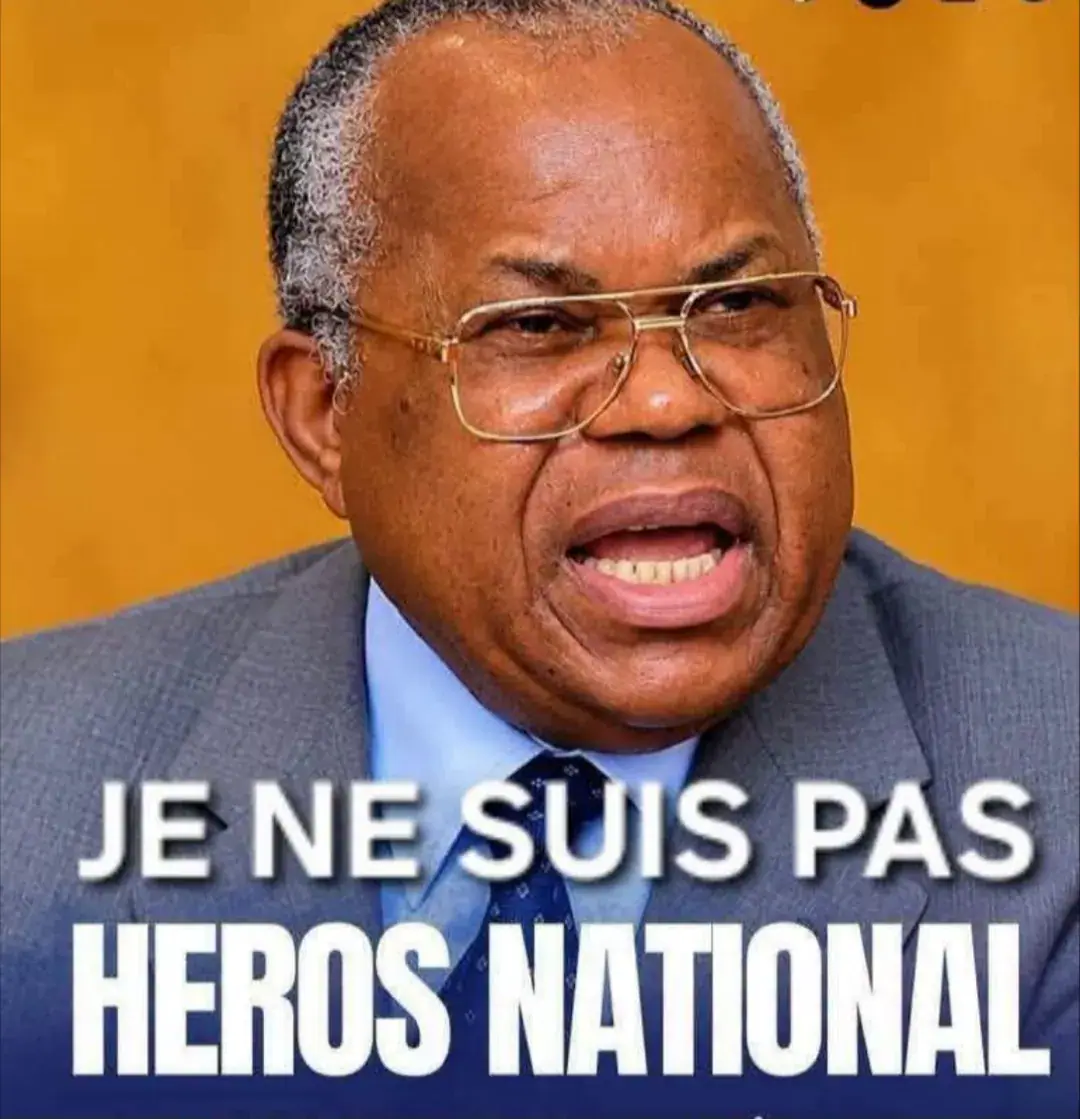
Étienne Tshisekedi wa Mulumba was a key figure in the Democratic Republic of Congo's politics, with a life marked by controversy and intrigue. Born in the Congo, Tshisekedi wa Mulumba was educated in Belgium, where he would later be incinerated. His political career was marked by his rise to prominence under the regime of Joseph-Désiré Mobutu, who seized power in a coup d'état on November 24, 1965. Tshisekedi wa Mulumba's involvement in Mobutu's government would have far-reaching consequences for the country.
Tshisekedi wa Mulumba's appointment as Minister of the Interior and Customary Affairs following Mobutu's coup was strategic, given the regime's authoritarian nature. He became one of the primary civilian pillars of the new dictatorial regime, emulating Mobutu's style by wearing a leopard toque and carrying a cane. His tenure as Minister of the Interior was marked by brutal repression, including the infamous "martyrs of the Pentecôte" incident in June 1966, where four former politicians were publicly executed in Kinshasa on charges of plotting against the regime.
The execution of Évariste Kimba, Jérôme Anany, Emmanuel Bamba, and Alexandre Mahamba on June 2, 1966, was a pivotal moment in Mobutu's regime, aimed at crushing opposition and solidifying his grip on power. Tshisekedi wa Mulumba played a key role in justifying the hangings, which were witnessed by tens of thousands of spectators. This event showcased the regime's willingness to use violence to maintain control, with Tshisekedi wa Mulumba at the forefront of these efforts.
In 1967, Tshisekedi wa Mulumba contributed to the drafting of the new Constitution and the Manifesto of the Nsele, which established the Movement of the Popular Revolution (MPR) as the country's sole party. He continued to rise through the ranks, becoming Minister of Justice in August 1968. During this period, he became known for his zeal in enforcing the regime's policies, including the exclusive right to wear a genuine leopard toque and carry a cane.
The case of Pierre Mulele, a former minister and rebel leader, highlights Tshisekedi wa Mulumba's involvement in the regime's efforts to suppress opposition. Mulele, who had learned guerrilla warfare in China, led an insurrection in the Kwilu region in 1964. After being defeated and exiled to Congo-Brazzaville, Mulele was promised amnesty and reconciliation by Mobutu in 1968. However, upon his return to Kinshasa, he was detained and eventually killed, with Tshisekedi wa Mulumba playing a role in the events leading up to his death.
The circumstances surrounding Mulele's return to Kinshasa and subsequent death are shrouded in controversy. Mulele had been assured of his safety by Mobutu's government, but his detention and killing suggest that the regime was not committed to upholding its promises. Tshisekedi wa Mulumba's involvement in these events has contributed to his complex and contentious legacy in Congolese politics.
Today, Étienne Tshisekedi wa Mulumba's legacy is viewed with skepticism by many in the Democratic Republic of Congo, who see him as a symbol of the country's turbulent and often brutal past. His role in enforcing Mobutu's regime and suppressing opposition has left a lasting impact on the country's politics. As the country continues to navigate its complex history, figures like Tshisekedi wa Mulumba serve as a reminder of the challenges and controversies that have shaped its development.
Key points
- Étienne Tshisekedi wa Mulumba played a significant role in shaping Congo's tumultuous past, serving as a key figure in Joseph-Désiré Mobutu's authoritarian regime.