Today marks the third anniversary of the events that began on October 7, 2023, which have profoundly impacted Palestine. The region, particularly Gaza, has witnessed massive destruction, forced displacement, and a severe humanitarian crisis. The occupied West Bank has also experienced increased incursions, arrests, demolitions, and violence by Israeli forces and settlers. A ceasefire has been in place in Gaza since October 2025, but the situation remains fragile.
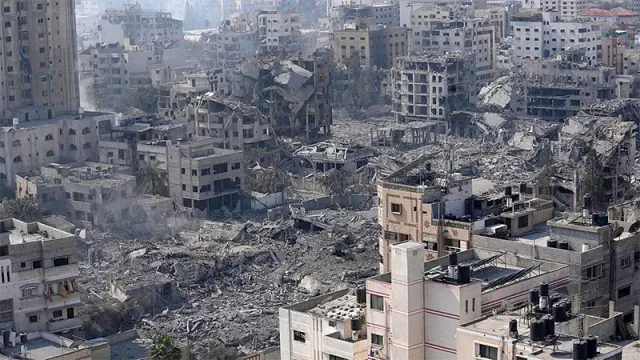
In Gaza, the scale of destruction is a significant indicator of the past three years of conflict. Civilian infrastructure, educational institutions, water and sanitation networks, healthcare facilities, and homes have been severely damaged. According to local health authorities, over 1,400 Palestinians have been killed and more than 5,000 injured since the ceasefire began. Despite the halt in large-scale military operations, sporadic violence continues to be reported across the region.
The humanitarian situation in Gaza is dire, with over 1.5 million people living in tents or temporary shelters, many of which are now uninhabitable due to damage and exposure to harsh weather conditions. The approaching rainy season poses a significant threat, with hundreds of sites at risk of flooding and numerous families residing in areas without adequate infrastructure. The reconstruction process is vast, encompassing not only destroyed homes but also essential infrastructure necessary for the enclave's functioning and a return to normal life.
The education sector exemplifies the extent of the damage, with over 90% of Gaza's school and university infrastructure destroyed or damaged, and over 1,000 teachers killed. This situation jeopardizes the education of an entire generation of Palestinian children and students. The economic consequences are also substantial, with the fishing sector, a vital source of income for many families, suffering heavy losses. Hundreds of boats and installations have been destroyed, and restrictions on fishermen continue to limit their activities.
Access to essential services such as water, healthcare, electricity, and sanitation remains problematic. Many residents rely heavily on humanitarian aid to meet their basic needs, but this assistance is insufficient. According to the Gaza government media office, only 74,283 aid trucks have entered the enclave out of 214,800 expected, which is less than 35% of the anticipated volume. Restrictions also apply to materials necessary for reconstruction and shelter installation.
In the occupied West Bank, the situation has also deteriorated over the past three years. Israeli forces and settlers have intensified their activities, leading to increased violence, arrests, and demolitions. Over 1,600 attacks causing casualties or material damage have been documented between January and August 2026, affecting 275 Palestinian communities. These actions are accompanied by restrictions on access to agricultural land, movement limitations, and demolitions, further pressuring the population.
The international community has taken notice of the Palestinian issue, with increased recognition of the State of Palestine and significant decisions by international institutions regarding the occupation, colonization, and events in Palestinian territories. The third anniversary of October 7 serves as a reminder of the long road to recovery and peace for Palestine.
Key points
- Over 1,400 Palestinians killed in Gaza since October 2025 ceasefire
- 90% of Gaza's educational infrastructure destroyed or damaged
- Insufficient humanitarian aid delivered to Gaza, with only 35% of expected volume received