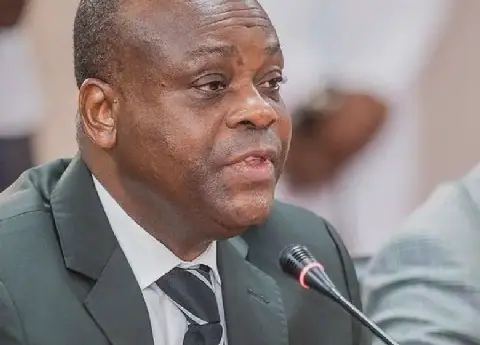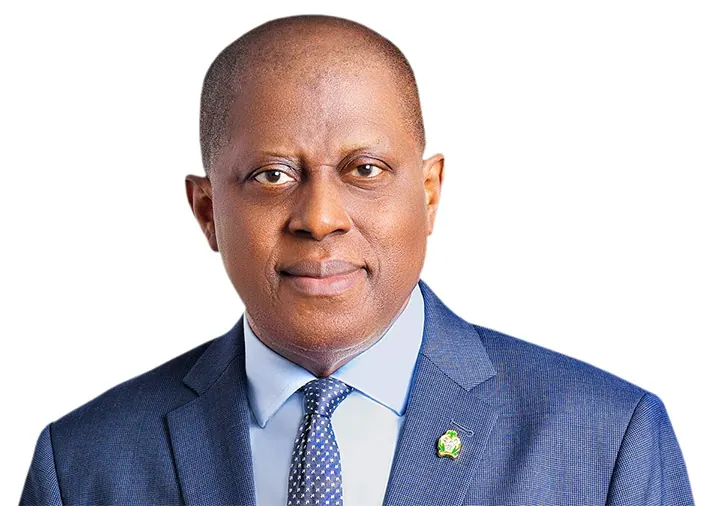
Three years after taking office, Nigeria's financial landscape has undergone significant changes under the leadership of Olayemi Cardoso as Governor of the Central Bank of Nigeria (CBN). The country's banks are better capitalized, the foreign-exchange market is more transparent, digital payments are safer, and the nation's external reserves have reached levels not seen in about 17 years. These achievements have earned Cardoso commendation from President Bola Ahmed Tinubu and recognitions both from abroad and within the country.
A key area of focus for Cardoso has been banking reforms, particularly the recapitalization programme that was completed on March 31, 2026. Thirty-three banks met the revised minimum capital requirements, raising about ₦4.65 trillion in fresh capital, with 72.55 per cent coming from domestic sources. This exercise has strengthened the capacity of Nigerian banks to absorb shocks and finance a larger economy. Additionally, the CBN introduced a framework for the orderly succession of chief executives at Domestic Systemically Important Banks (DSIBs) in September 2025.
Reforming the foreign-exchange market has been another major priority for Cardoso. In May 2026, the CBN launched the fourth edition of the Foreign Exchange Manual to promote transparency, efficiency, and market-driven FX operations. The apex bank also brought Bureau de Change (BDC) operators further into the formal system, allowing licensed BDCs to access FX through authorised dealer banks. Furthermore, International Oil Companies were permitted to repatriate 100 per cent of their export proceeds through authorised dealer banks.
The CBN has also sought to make Nigeria's digital payments system safer and more inclusive. The Payments System Vision 2028 was launched on June 1, 2026, with a roadmap that rests on six pillars: interoperability, security, inclusion, innovation, trust, and collaboration. Revised Agent Banking Guidelines were introduced in October 2025, with stronger consumer protection and closer oversight of agents. Point-of-Sale (PoS) transactions were also addressed in 2026 through enhanced geo-fencing and dual-connectivity requirements.
As digital transactions have grown, so has the threat of fraud. The CBN has introduced several measures to target this, including a revised cash policy that took effect on December 2, 2025. Financial institutions were directed to withdraw misleading or non-compliant advertisements and to be more transparent in their communications with customers. In 2026, banks were directed to strengthen their rapid-response mechanisms for electronic fraud.
The CBN has also worked on modernizing financial markets. On April 17, 2026, it introduced the Nigerian Overnight Financing Rate (NOFR), a transaction-based overnight benchmark. This is expected to improve price discovery, market transparency, monetary-policy transmission, and risk management. The CBN has also deployed a Cybersecurity Self-Assessment Tool (CSAT) to help regulated institutions assess and improve their cybersecurity posture.
Cardoso's achievements have been recognized both locally and internationally. He received the Financial Sustainability and Regulatory Oversight Award at the Blueprint Newspapers’ Annual Public Lecture, Impact Series and Awards on August 18, 2026. The CBN was also awarded the “Central Bank of the Year” award from Central Banking, London. With these reforms, Nigeria's financial system has become more resilient and globally integrated.
Key points
- The CBN has introduced several reforms to strengthen Nigeria's financial system, including banking recapitalization and foreign-exchange market transparency.
- The Payments System Vision 2028 aims to position Nigeria's payments system for a more secure and globally integrated digital economy.
- The CBN has implemented measures to combat fraud and improve cybersecurity, including a revised cash policy and a Cybersecurity Self-Assessment Tool.