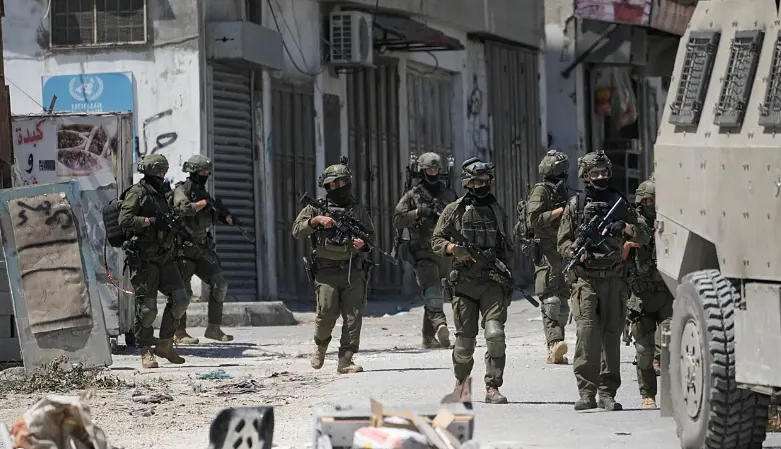
The Gaza conflict has entered its fourth year, with no end in sight to the violence and humanitarian crisis. Despite an international agreement to cease hostilities, reached in October 2025, the Israeli occupation has continued to carry out attacks, resulting in significant loss of life and displacement. According to reports, nearly 1440 Palestinians have been killed and over 5,000 injured since the agreement came into effect.
The agreement, brokered by the US and international community, was intended to bring an end to the war and facilitate the opening of borders, aid delivery, and reconstruction. However, the reality on the ground has been starkly different. Palestinian civilians in Gaza have continued to face bombardment, gunfire, and displacement, while Israeli forces have expanded their presence and restricted movement and aid delivery.
The humanitarian situation in Gaza remains dire, with widespread poverty, unemployment, and shortages of essential goods and services. The UN has documented hundreds of cases of killings in areas near Israeli deployments, warning that the expansion of Israeli control within the territory exacerbates the risk to civilians and restricts humanitarian work. The Palestinian Authority has reported over 4,000 Israeli violations of the ceasefire agreement, including artillery and air strikes, gunfire, and property destruction.
The health situation in Gaza is particularly concerning, with hospitals struggling to cope with the influx of wounded civilians. According to Dr. Zaher Al-Wahidi, director of the health information department at the Gaza Ministry of Health, the daily average of martyrs has increased to 8-10, with 1440 killed and over 5,000 injured since the ceasefire agreement. The UN has expressed concern over the continued killing of civilians, with the High Commissioner for Human Rights, Volker Turk, stating that Palestinians in Gaza remain insecure.
The closure of borders has had a devastating impact on the economy and humanitarian situation in Gaza. The UN has documented cases of border closures, warning that this has disrupted the delivery of life-saving aid to a population heavily reliant on external supplies. In June 2026, the closure of the Kerem Shalom and Rafah crossings impeded the flow of aid, while airstrikes, shelling, and gunfire continued to put civilians and infrastructure at risk.
The international community has expressed concern over the ongoing violence and humanitarian crisis in Gaza. The US and other countries have called for an end to the violence and a return to negotiations. However, with no clear solution in sight, the conflict is likely to continue, with devastating consequences for the civilian population. The situation in Gaza remains a major challenge for the international community.
As the conflict enters its fourth year, the humanitarian situation in Gaza continues to deteriorate. With no end in sight to the violence, the international community must redouble its efforts to find a solution. The agreement to cease hostilities has failed to bring an end to the violence, and a new approach is needed to address the root causes of the conflict and ensure the protection of civilians.
Key points
- The Gaza conflict has resulted in significant loss of life and displacement, with nearly 1440 Palestinians killed and over 5,000 injured since the ceasefire agreement.
- The humanitarian situation in Gaza remains dire, with widespread poverty, unemployment, and shortages of essential goods and services.
- The international community has expressed concern over the ongoing violence and humanitarian crisis in Gaza, with the US and other countries calling for an end to the violence and a return to negotiations.