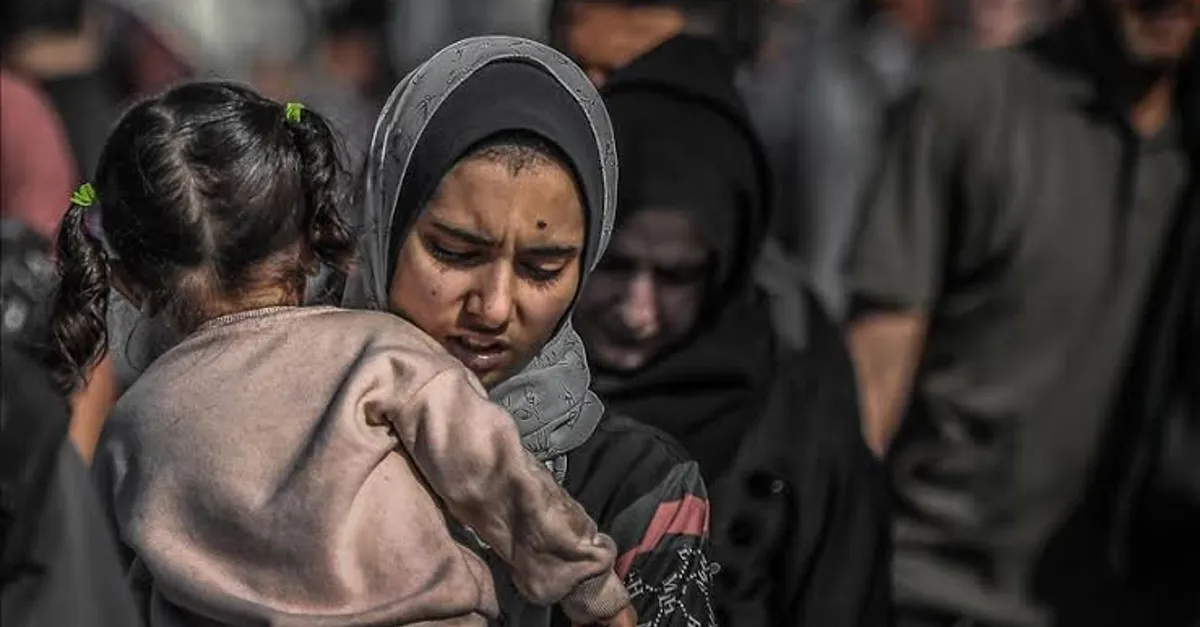
A pregnant woman in Gaza described her daily struggles to the UN Population Fund, saying that every time there is an airstrike, she freezes in fear, unable to move or walk, especially with children to care for and a newborn on the way. Her testimony encapsulates the immense human toll on women and girls since the war began three years ago. The ongoing conflict has resulted in a catastrophic humanitarian crisis, with women and girls facing risks of death, displacement, and loss.
According to UN data, over 38,000 women and girls have been killed in Gaza since October 2023, marking one of the most severe human losses in a modern conflict. The UN Women's analysis reveals that women's and children's deaths surged during periods of intense fighting and airstrikes, particularly in the first six months of the war, when they accounted for nearly two-thirds of total recorded fatalities. The destruction of homes and civilian infrastructure has been widespread, with residential buildings making up over 95% of damaged infrastructure.
The war has crippled the healthcare system, leaving women to give birth in dire conditions. The UN reports that women in Gaza continue to deliver babies in difficult circumstances, often outside hospitals and without qualified medical staff or basic amenities for safe childbirth. Healthcare facilities and ambulances have been repeatedly attacked, with at least 927 incidents recorded between October 2023 and October 2025. For pregnant women, timely access to hospitals is no longer guaranteed, putting them and their newborns at risk.
Women in Gaza face additional challenges, including a severe shortage of hygiene products and clean water. By mid-2025, essential menstrual products were in short supply, leaving many women and girls without adequate means to maintain personal hygiene. This not only poses health risks but also undermines human dignity. The lack of privacy and sanitation in overcrowded shelters and displacement camps further compounds their struggles.
The war has also altered the traditional family structure in Gaza, with many women now heading households due to the death or incapacitation of their husbands. According to the UN Women's data, approximately one in four families in Gaza is now led by a woman, a significant increase from before October 2023. These women must provide food, water, and care for their children while securing shelter, amidst a collapsed economy and scarce resources.
Girls in Gaza have also suffered long-term consequences, including disrupted education and increased vulnerability to early marriage, early pregnancy, and limited economic opportunities. The destruction of schools and educational infrastructure threatens to undermine the future prospects of an entire generation of girls. The UN Women's agency warns that denying girls education can have far-reaching effects on their lives and the community at large.
Three years into the conflict, women in Gaza bear a disproportionate burden, facing loss, fear, displacement, poverty, and inadequate healthcare, while shouldering family responsibilities. The humanitarian crisis they face is not solely measured by the number of women killed but also by the survivors who must navigate an impossible reality. The international community must take urgent action to address the dire needs of women and girls in Gaza.
Key points
- Over 38,000 women and girls have been killed in Gaza since October 2023
- Women in Gaza face dire humanitarian conditions, including lack of access to healthcare, hygiene products, and education
- The war has led to a significant increase in women-led households, with many shouldering family responsibilities amidst scarce resources