Three years after the Hamas-led attacks on Israel on October 7, 2023, the psychological and emotional consequences of the conflict continue to affect Israeli society. Families are still grieving loved ones, children are struggling with trauma, and soldiers face growing mental health challenges as the effects of prolonged warfare become increasingly visible. Although Israeli society has continued to function, new research suggests that the years of violence, displacement, and repeated security threats have placed a significant burden on the country’s population.
Mental health professionals have warned that the consequences of the conflict could continue long after the immediate fighting ends. According to a report published by Al Jazeera on October 9, 2026, research by Clalit Health Services found that one in five Israelis reported severe difficulties with daily functioning because of mental health problems. The research also found that one-third of the population felt they needed mental health treatment, highlighting the scale of the challenge facing healthcare providers.
The findings come as Israelis mark the third anniversary of the October 7 attacks, which killed approximately 1,200 people and resulted in 251 hostages being taken into Gaza, according to Israeli figures cited by Reuters. The attacks were the deadliest in Israel’s history and triggered a devastating military campaign in Gaza. The war has also caused catastrophic suffering among Palestinians, with more than 74,000 Palestinians killed in Gaza by the third anniversary.
Children and teenagers are among those experiencing the lasting effects of the conflict. Many have grown up amid rocket alerts, missile attacks, evacuations, and uncertainty about their families’ safety. Research by Clalit Health Services found that psychiatric emergency visits among children and adolescents increased by approximately 121 percent compared with the period before the war. The findings indicate a substantial rise in the number of young people requiring urgent mental health care.
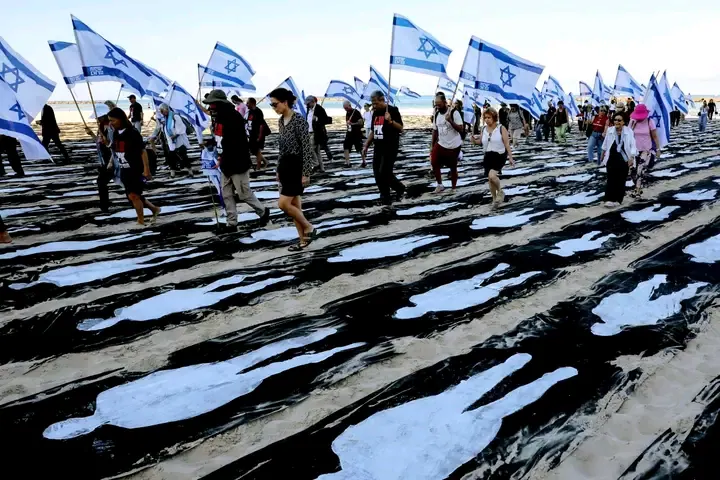
Families continue to grieve loved ones, with communities attacked on October 7, including Kibbutz Kfar Aza, holding memorial events to remember those killed. Residents have gathered to honour victims and reflect on the trauma experienced during the attacks. Some survivors and relatives continue to struggle with bereavement and the uncertainty surrounding the events of that day.
Israeli military personnel have also experienced the consequences of prolonged conflict. Soldiers deployed to Gaza and other areas have faced repeated exposure to combat, deaths, destruction, and difficult operational conditions. Mental health specialists have warned that prolonged exposure to violence may contribute to anxiety, depression, sleep difficulties, and PTSD. Data presented in Israel’s parliament recorded 279 suicide attempts among serving soldiers between January 2024 and July 2025.
The effects of the conflict extend beyond people who directly experienced the October 7 attacks or served in the military. Repeated missile alerts and regional confrontations have disrupted everyday life for many Israelis. Families have had to consider the availability of shelters when choosing where to sleep, whether children can attend school, and whether travel plans are safe. These repeated disruptions can create a persistent sense of uncertainty.
Key points
- One in five Israelis report severe difficulties with daily functioning due to mental health problems.
- Children and adolescents have seen a 121 percent increase in psychiatric emergency visits.
- 279 suicide attempts were recorded among serving soldiers between January 2024 and July 2025.